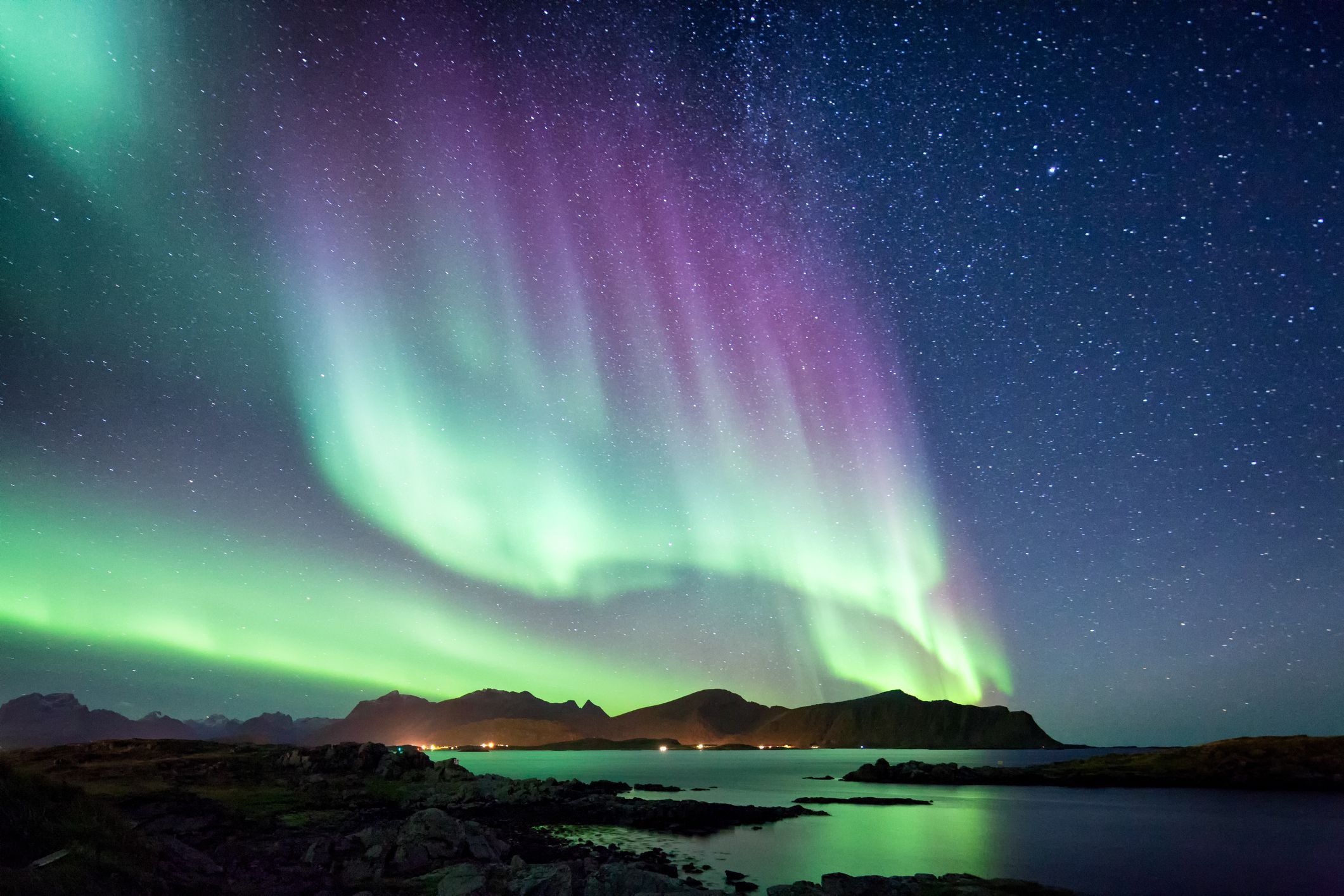
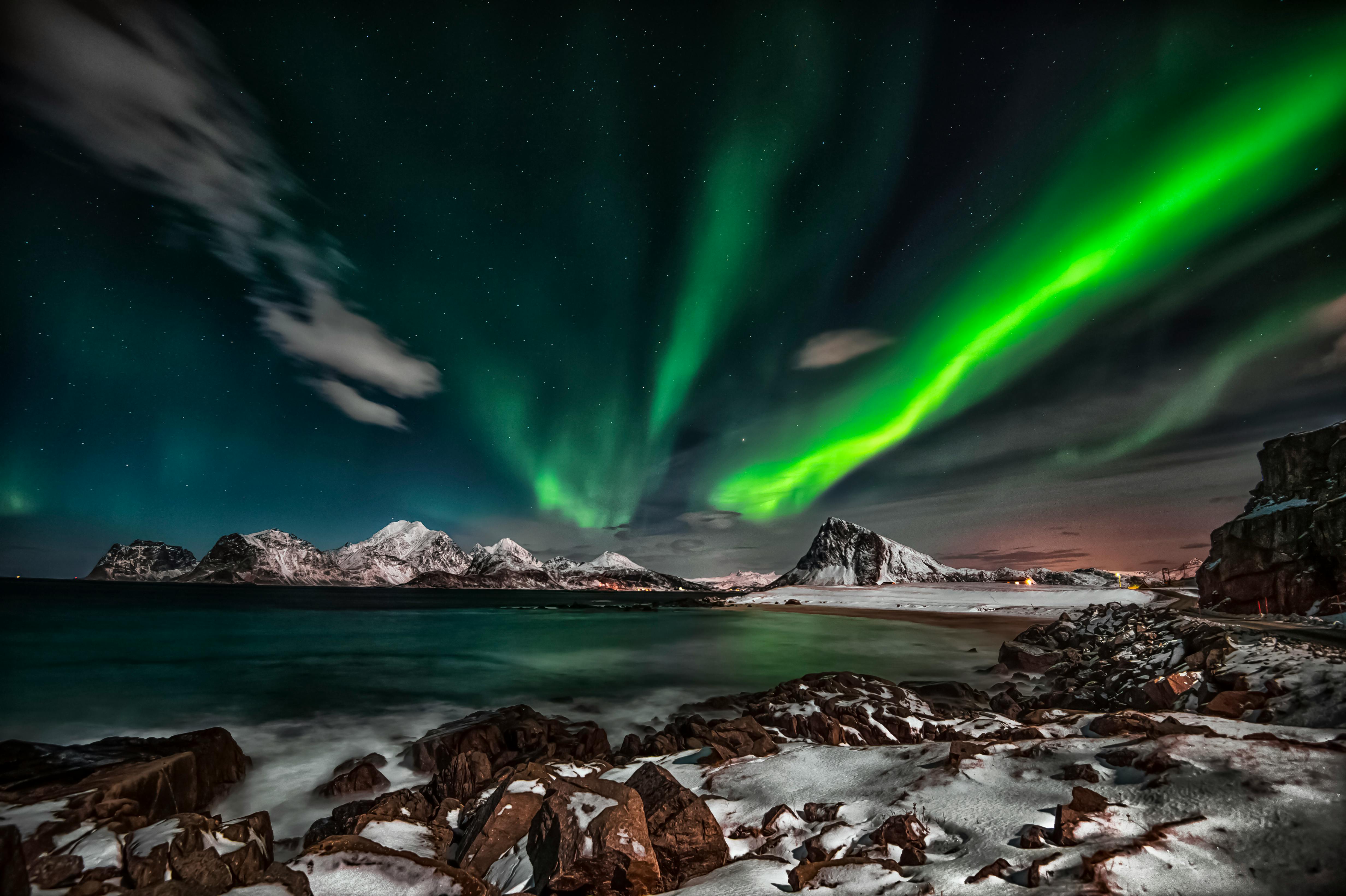
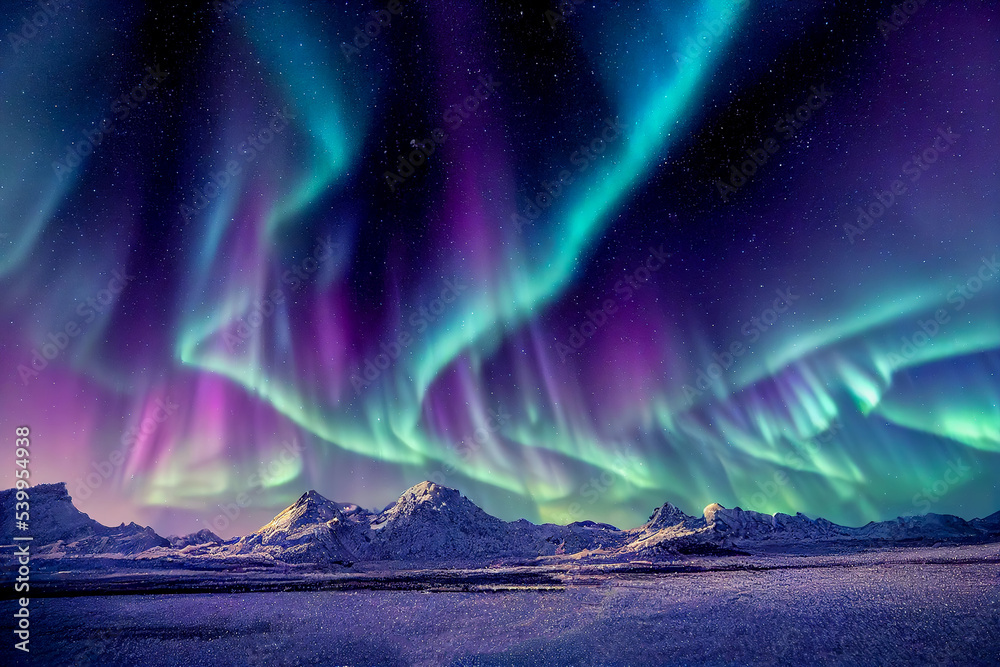
What Is an Aurora?
An aurora is a natural atmospheric phenomenon created when charged particles from the sun collide with gases in Earth's magnetosphere and upper atmosphere. These interactions produce the characteristic glowing lights that paint the night sky in vibrant colors, primarily green and red hues, though purple and blue displays also occur.
The aurora borealis, or northern lights, occurs in the Northern Hemisphere at high latitudes, while the aurora australis, or southern lights, occurs in the Southern Hemisphere. Under normal conditions, auroras are confined to polar regions, but during periods of intense geomagnetic activity, they can be visible much farther south than usual.
Current Geomagnetic Storm Event
A powerful M8.1 solar flare released a full-halo coronal mass ejection on December 6, which impacted Earth on December 8 and 9. This event triggered G3-level (strong) geomagnetic storming, with the Kp index reaching 7, creating ideal conditions for widespread aurora visibility across the United States.
According to NOAA's Space Weather Prediction Center, this geomagnetic activity is expected to make the northern lights visible across up to 17 US states. The aurora viewline extends from northern states along the Canadian border southward to mid-latitude regions, offering unprecedented opportunities for aurora viewing across much of the country.
Where to See the Northern Lights
Based on the latest NOAA aurora forecast maps, the northern lights are expected to be visible in states ranked from most to least likely based on proximity to the auroral zone. States along the northern border, including those in the upper Midwest and Northeast, have the highest probability of viewing the aurora directly overhead.
For observers in mid-latitude states further south, the aurora may appear low on the northern horizon during peak activity periods. The best viewing conditions typically occur after dark, away from light pollution, with clear skies providing the optimal opportunity to witness this rare celestial display.