
Who Is Brian Walshe and Why Is His Case Trending?
Brian Walshe is a Cohasset, Massachusetts man accused of murdering his wife, Ana Walshe, a corporate real estate executive who disappeared after New Year's 2023.[1][3] The case became a national story because Ana's body has never been found, yet prosecutors allege Brian killed her, dismembered her, and disposed of her remains.[1][2]
From the outset, investigators focused on discrepancies in Brian's account of Ana's disappearance, including his claim that she left for an emergency work trip before she was reported missing by her employer.[1] As police dug deeper, they uncovered digital evidence and financial motives that transformed a missing-person case into an alleged "no-body" homicide, pushing Brian Walshe into the center of intense media scrutiny.[1][3]
Inside the Murder Trial: Prosecution vs. Defense
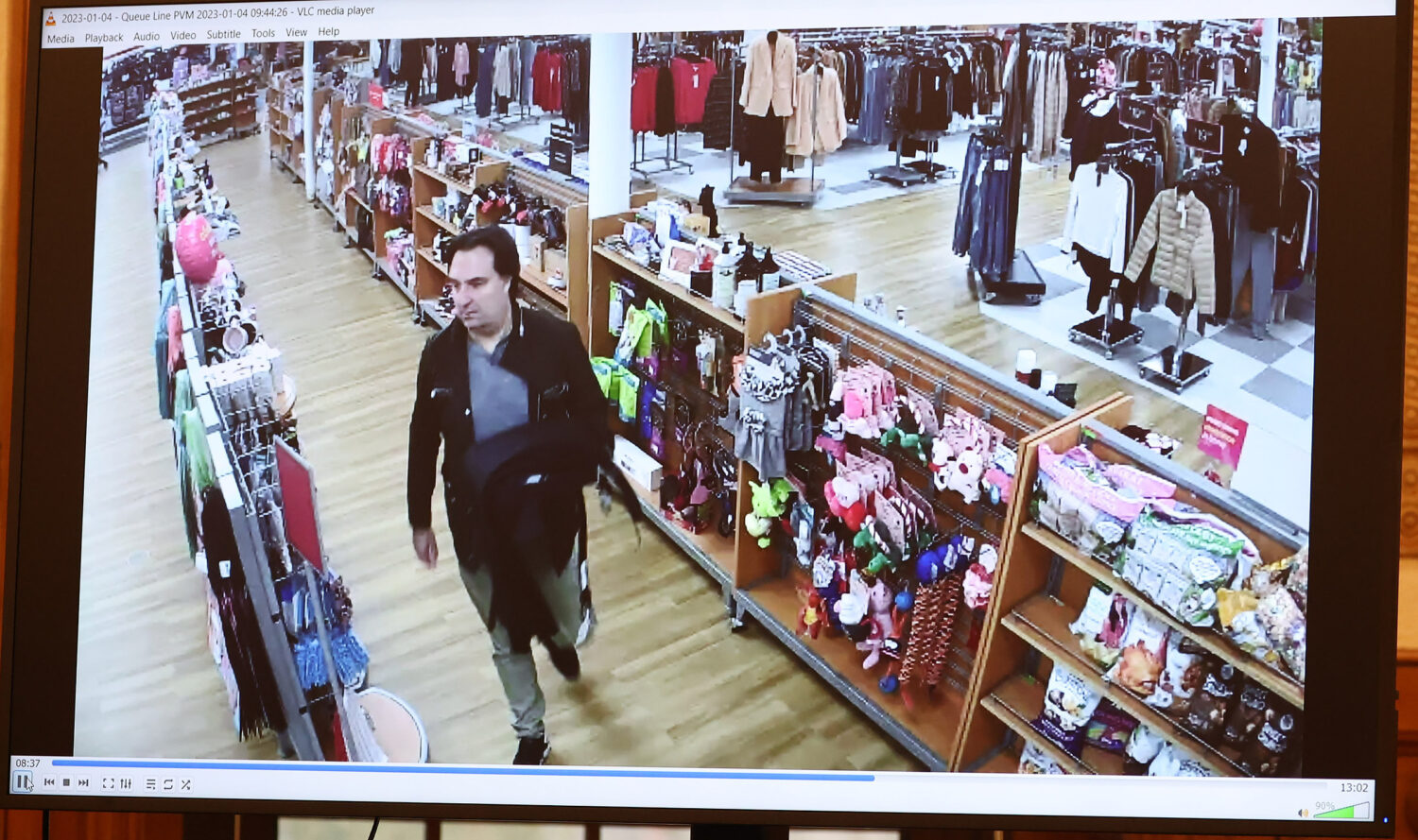
Prosecutors have argued that Walshe killed his wife because he was the sole beneficiary of an estimated $2.7 million life insurance policy and because Ana was allegedly having an affair.[1][3] They presented a series of disturbing internet searches about how to dispose of a body and how long it takes for a body to smell, along with surveillance footage and forensic evidence, to portray a calculated effort to hide a murder.[1][2]
In emotional testimony, friends and witnesses described Ana's life, her career, and her marriage, as well as Brian's behavior after she vanished.[1][3] The state contends that Brian's shifting stories to police and his admitted role in dismembering Ana's body show consciousness of guilt and a deliberate attempt to evade justice.[1][3]
The defense has countered that Brian Walshe did not kill his wife, insisting that he awoke to find her dead in their bed and panicked.[1] They argue that his later actions—dismembering and disposing of her body and lying to investigators—were criminal but not proof that he caused her death, emphasizing the lack of a recovered body or a medical determination of how Ana died.[1][3]
Closing Arguments and What Comes Next
After the prosecution rested its case, Brian Walshe's defense team closed without calling any witnesses, signaling their belief that the state had not met its burden of proof.[1][3] During closing arguments, prosecutors urged jurors to see a pattern of deception and planning, while the defense highlighted inconsistencies and unanswered questions, asking jurors to resist convicting on speculation alone.[3]
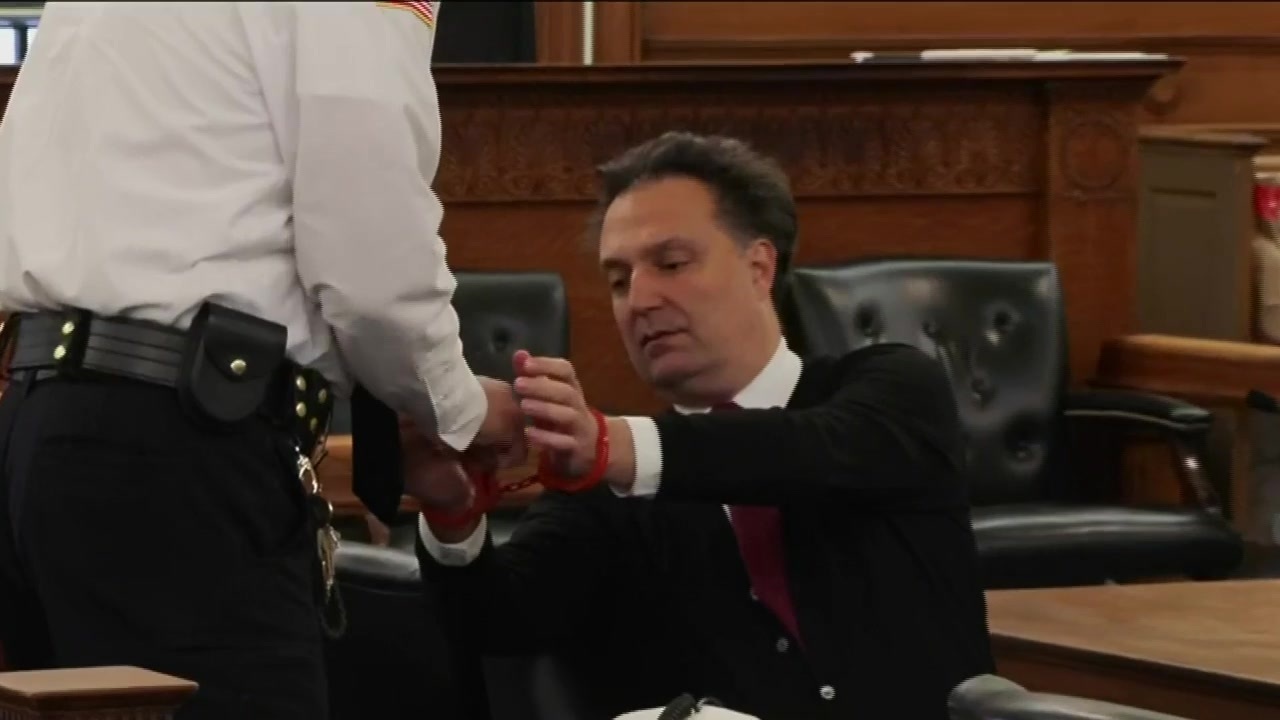
Court coverage from national outlets and legal networks has shown a packed courtroom and intense public interest as the jury prepares to decide Walshe's fate.[2][3] Commentators note that the case underscores how heavily modern homicide trials can rely on digital forensics and circumstantial evidence when a victim's remains are missing.[2]
As the jury deliberates, the outcome will determine whether Brian Walshe is convicted of murdering his wife or held only for the crimes he has already admitted—dismembering her body and misleading investigators.[1][3] Beyond the verdict, the trial has reignited conversations about domestic violence, financial motives in intimate-partner homicides, and the challenges of securing convictions in "no-body" murder cases.[3]