Why Countdown Timers Still Drive Sales in 2025
Countdown timers work in 2025 by tapping into psychological urgency, but only when anchored to authentic deadlines. Recent data shows conversion improvements of 9% to 40% for event-driven offers like limited inventory or shipping cutoffs, as opposed to perpetual 'sale ends soon' banners that shoppers ignore.[1]
Shoppers' sophistication has led to 68% feeling manipulated by fake timers, fostering banner blindness and training customers to delay purchases. However, personalized timers triggered by behaviors like cart additions yield real engagement and higher order values.[1]
Holiday 2025 trends emphasize agility, with platforms using timers for multi-channel sales across research and buying phases to maximize peak season growth.[3]
39 Proven Countdown Timer Strategies for Ecommerce
Integrate timers on landing pages for pre-orders and launches, popups for exit-intent discounts, and emails for opt-ins with sweet deals. These boost click-through rates by 30% and perceived value of free shipping or products.[2]
Event-based timers build excitement for holidays or new collections, with calendar sync options enhancing user experience. Cyclical timers per product line distribute attention and drive broader conversions.[2]
Post-expiry tactics like 'extended for you' alerts or fun 'out of time' messages maintain FOMO, while tiered freebies for spending levels add personalization.[2]
2025 Trends, Risks, and Best Practices
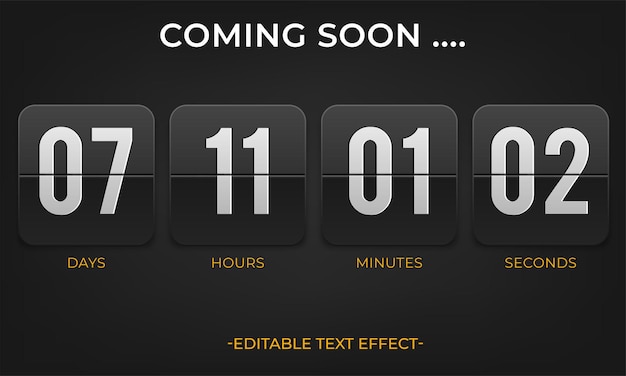
Visual timer trends focus on boosting engagement in emails and fashion sales, with statistics showing higher CTR from urgency cues. Optimal durations vary: 15-60 minutes for high-intent users, 2-24 hours for consideration stages.[1][5][7]
Risks include brand trust erosion from deceptive resets; countermeasures involve server-synced, accurate timers with unique codes. Year-end strategies tie into real events like 2025 holidays for authentic scarcity.[1][8]
Success demands targeting: use algorithms for real-time personalization based on scroll depth and visits, ensuring timers expire genuinely to build long-term loyalty.[1]