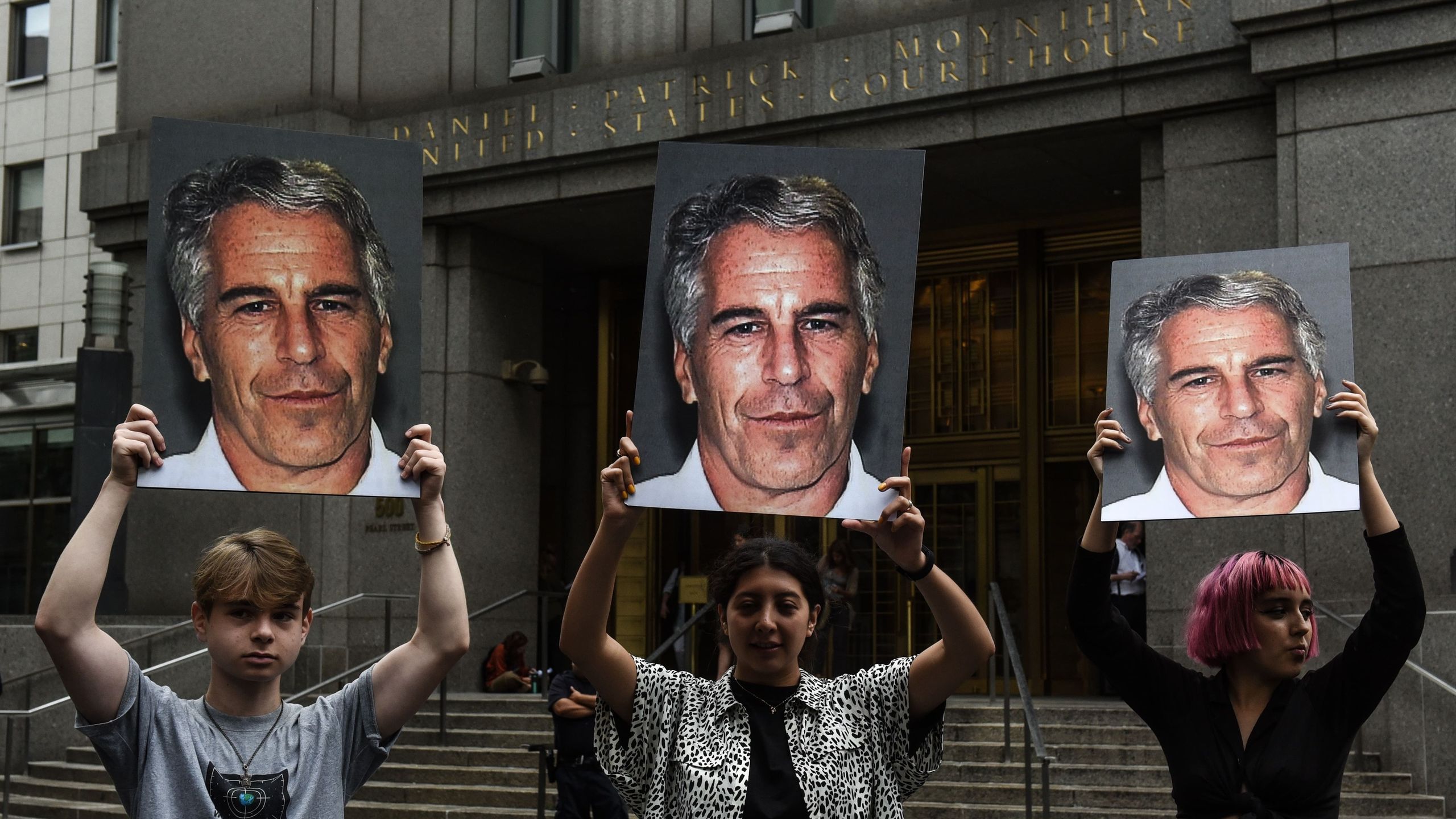


Who Was Jeffrey Epstein?
Jeffrey Epstein was a New York–based financier who cultivated ties with politicians, academics and business leaders while running what authorities described as a sex trafficking operation that targeted underage girls, often under the pretense of offering them modeling opportunities or financial help. He first faced serious legal scrutiny in the mid-2000s, when Florida prosecutors investigated allegations that he paid minors for sexual massages at his Palm Beach home.
Despite extensive evidence, Epstein secured a 2008 non-prosecution agreement that allowed him to plead to lesser state charges, serve a short sentence with work release and avoid federal trafficking counts, a deal that later drew intense criticism and legal challenges. In 2019 he was arrested again on federal sex trafficking and conspiracy charges, but he was found dead in his jail cell weeks later, officially by suicide, before his new case could go to trial.
New Documents and Ongoing Investigations
Recent months have brought a wave of new material about Epstein into public view, including photos and videos from his private island released by the House Oversight Committee. These images show parts of the compound where victims say they were taken, providing concrete context for long-standing accounts of how the island functioned as both a retreat for Epstein’s circle and a site of abuse.
At the federal level, the Justice Department is under a statutory deadline to release a broader set of Epstein-related files, while a judge in Florida has approved the unsealing of grand jury transcripts and other records from earlier phases of the case. Although some information overlaps with evidence previously aired in Ghislaine Maxwell’s criminal trial, the comprehensive release of these materials could reveal internal deliberations, investigative gaps and potential conflicts of interest that have not been publicly documented before.
Impact and Public Fallout
The continuing exposure of Epstein-related documents is reshaping public understanding of how institutions handle cases involving powerful suspects and vulnerable victims. Banks, universities and philanthropic organizations linked to Epstein have been forced to explain past relationships, return donations and revise their policies on due diligence, while civil suits have alleged that financial firms and other entities enabled or ignored his trafficking activities.
Politically, the case has become a touchstone in debates over transparency, elite accountability and the treatment of sex trafficking survivors, leading to new legislation aimed at forcing disclosure of government files in high-profile abuse cases. For many of Epstein’s victims, each new release of records offers both painful reminders and a measure of validation, as the documentary trail increasingly corroborates their accounts and keeps pressure on authorities to identify any remaining accomplices.