

What are the Epstein files?
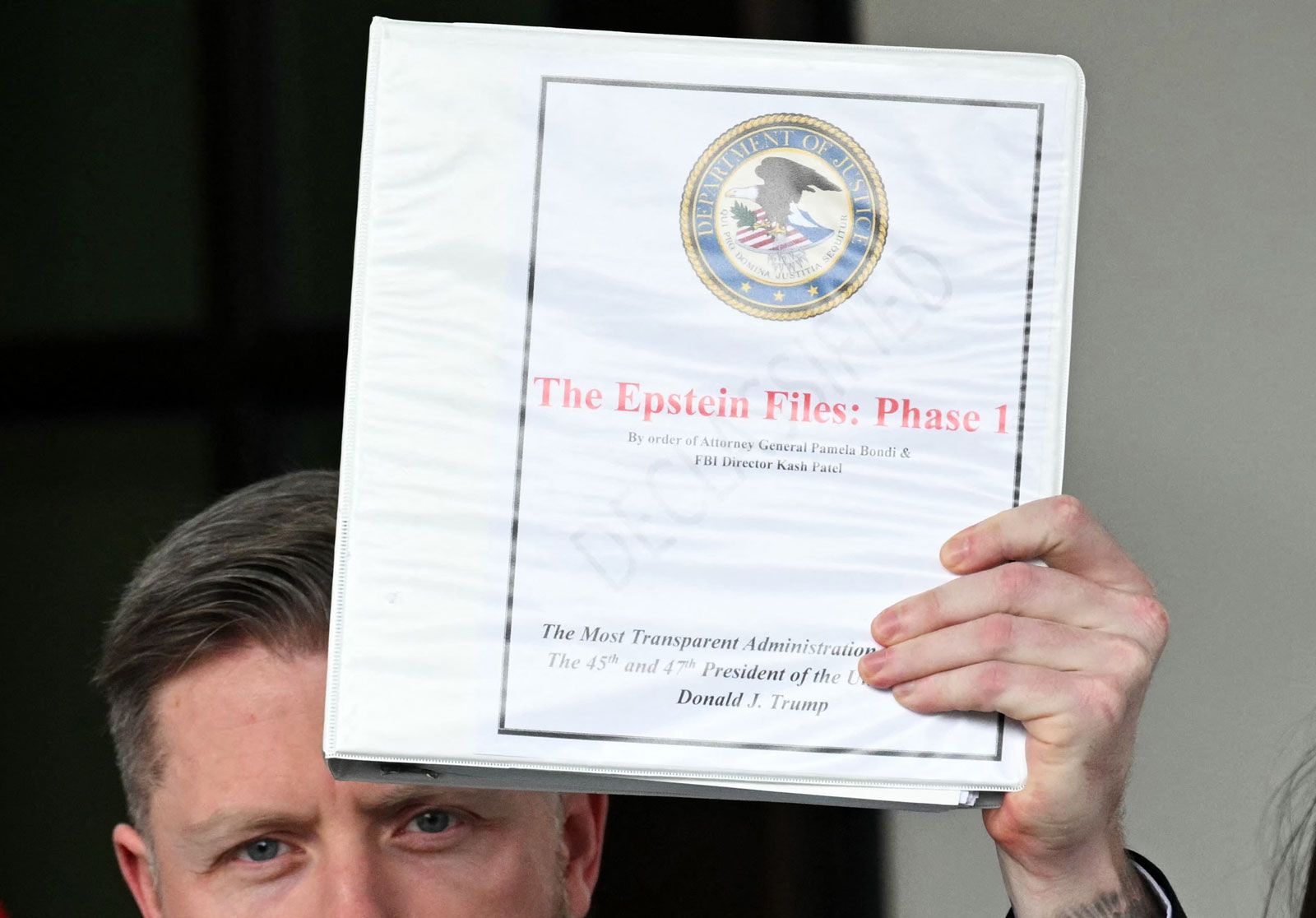
The term “Epstein files” refers to a broad and evolving set of documents related to Jeffrey Epstein, a financier and convicted sex offender whose trafficking network reached across borders and involved numerous high-profile associates. These materials include law enforcement records, internal Justice Department and FBI files, prison and autopsy documentation, court filings, settlement agreements, and evidence exhibits gathered in both criminal and civil cases.
In common usage, the phrase also encompasses congressional records, such as investigative materials, hearing transcripts, and evidence obtained from the Epstein estate by House committees.[2] As more of this material is unsealed or voluntarily released, the “Epstein files” have become a shorthand for the wider search for truth about how Epstein operated, whom he dealt with, and how the justice system responded over several decades.
New bills and the push for government transparency
A central development driving renewed interest is the introduction of the Epstein Files Transparency Act in the U.S. House of Representatives.[1] This proposed law would require the Attorney General to make public, within a fixed period after enactment, nearly all unclassified Justice Department records related to Epstein, Ghislaine Maxwell, associated investigations, and linked flight or travel records.[1] The scope extends to documents naming government officials and other influential figures, as well as entities thought to have financial or operational ties to Epstein.[1]
The bill is notable for its explicit limits on secrecy. It forbids the government from withholding or redacting records merely to prevent embarrassment, reputational harm, or political sensitivity for public figures and officials.[1] It also demands disclosure of internal DOJ communications about charging decisions and any actions involving the destruction, alteration, or concealment of Epstein-related material.[1] Supporters frame this as a corrective to years of opacity, arguing that only a statutory mandate can ensure a full accounting of government conduct in the Epstein saga.
Recent document releases and their impact
Alongside the legislative effort, congressional committees have been steadily releasing new materials that expand the public Epstein record. The House Oversight Committee, for example, has disclosed an additional 20,000 pages of documents obtained from the Epstein estate, adding to an already sizable trove of records.[2] These files include travel and financial records, correspondence, and other internal documents that help map Epstein’s network of contacts, assets, and operations.[2]
Each new release has significant ripple effects. For survivors, the documents can corroborate long-contested accounts and highlight patterns in how institutions failed to intervene, but they can also reopen trauma as graphic or disturbing details resurface in public debate. For the broader public, the emerging picture raises deep questions about whether influential associates received de facto protection and whether prosecutors and regulators treated Epstein differently because of his connections. How policymakers, courts, and the Justice Department respond to mounting demands for full disclosure will determine how complete the historical record of the Epstein case ultimately becomes.