

Federal Holiday Status in 2025
Federal holidays in the US are set by Congress under 5 U.S.C. § 6103, applying to government employees and institutions. For 2025, the Office of Personnel Management lists New Year’s Day on Wednesday, January 1, but omits December 31. Only in rare cases, like when January 1 falls on a Saturday, is December 31 observed as a holiday, which does not apply this year.[1][3][4]
Courts and the Federal Reserve follow this schedule, with no closures today. Presidents can grant administrative leave, as seen with Christmas Eve in past years, but no such order exists for New Year's Eve 2025.[3][5][6]
This distinction matters for pay: federal workers receive regular pay without holiday premium unless adjusted by executive action.[1]
Business Closures and Early Dismissals
Private businesses have flexibility; many close early on New Year's Eve. In 2025, sources indicate some retailers and companies shut by afternoon, enabling celebrations. This mirrors Christmas Eve practices, where early closures are common.[2]
Stock markets like NYSE often end trading early, impacting investors. Banks follow federal guidelines but may limit hours, as per 2026 previews noting similar patterns.[2][3]
For small businesses, observing partial closures boosts morale, though not required. Employees in non-essential roles benefit most from these customs.[2]
Cultural and Global Significance
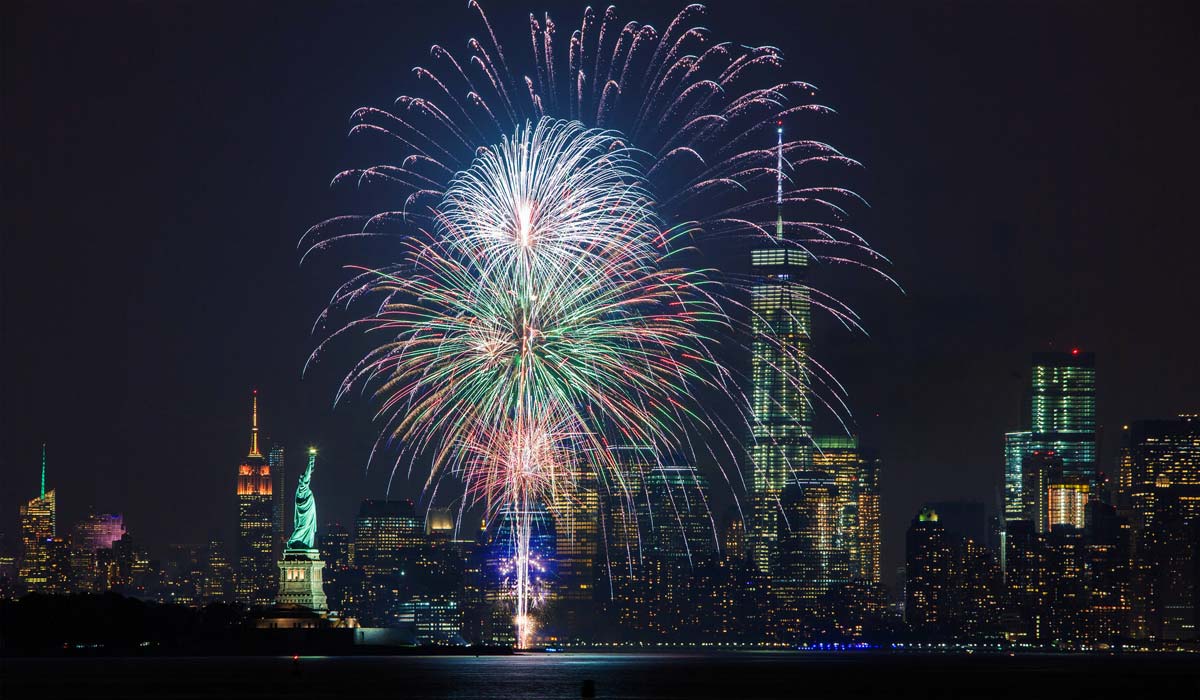
Globally, New Year's Eve is a major event with fireworks in cities like New York, Sydney, and London. In the US, it blends cultural and secular traditions, focusing on reflection and resolutions.[4][8]
Today’s impacts include heightened travel and event attendance, with safety concerns around fireworks and crowds. While not official, its influence rivals federal holidays in popularity.[8]