Who Was JFK and Why He Still Matters
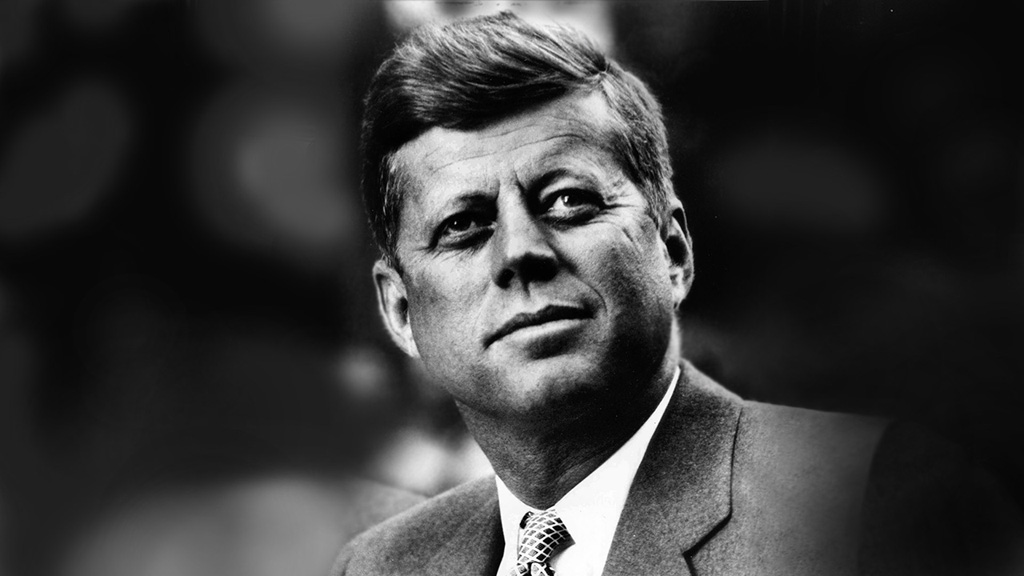
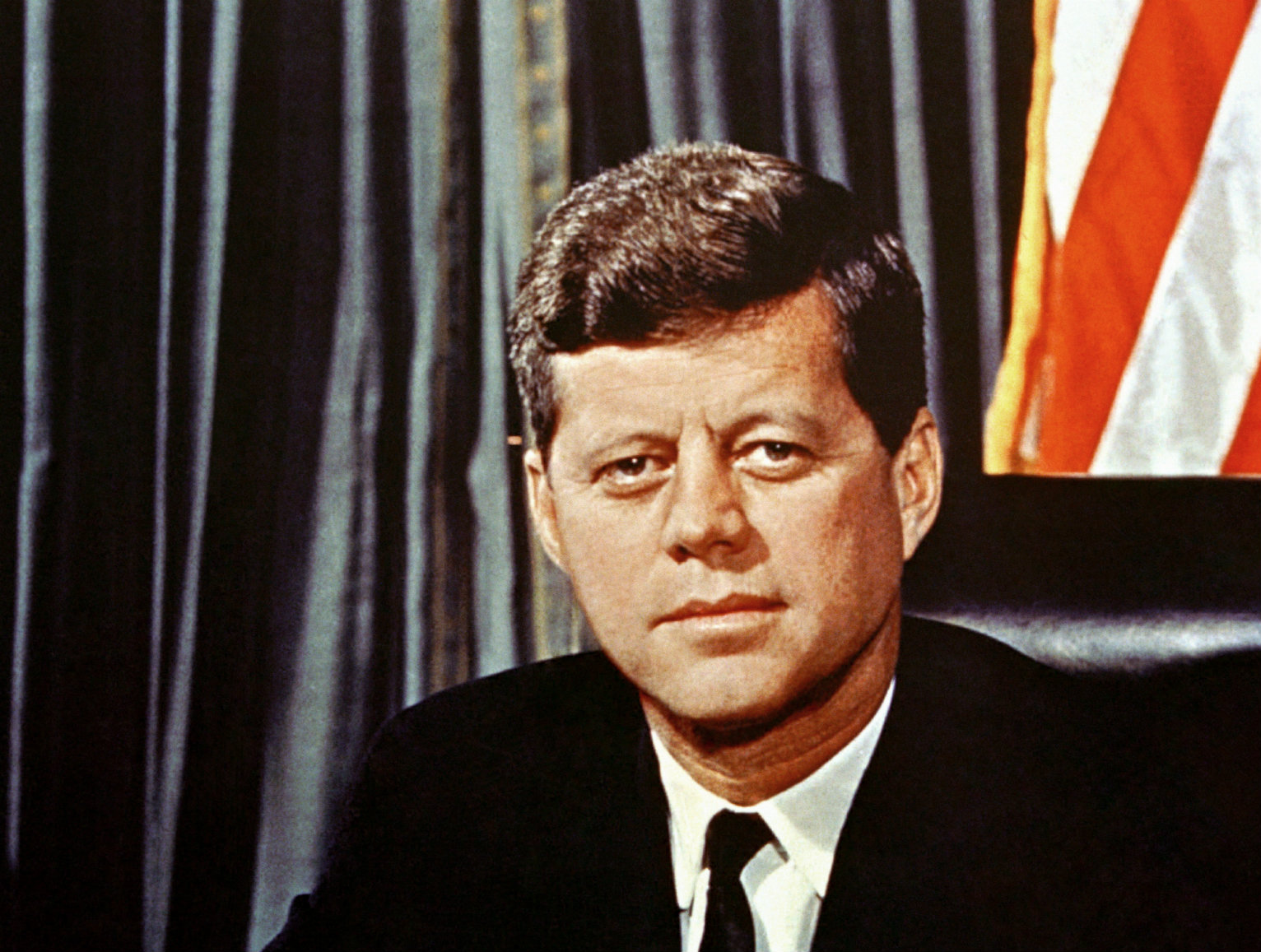
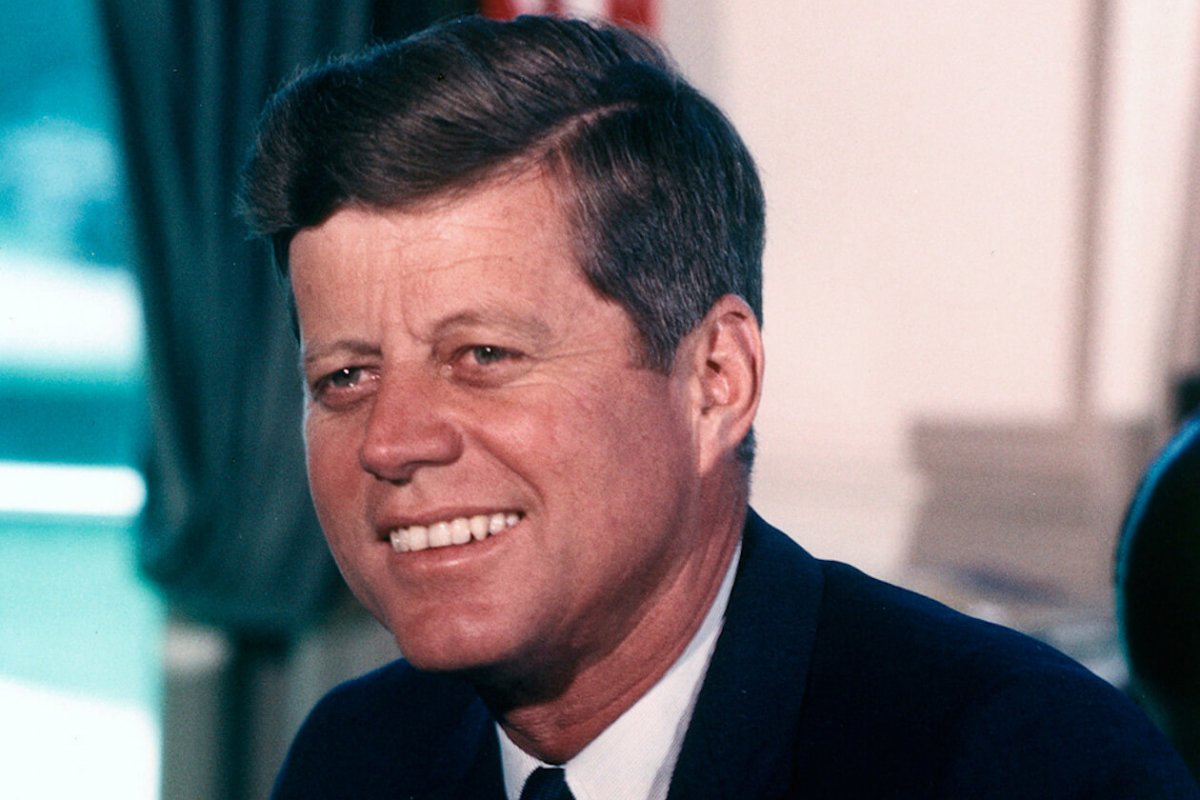
JFK, or John F. Kennedy, was the 35th president of the United States, serving from 1961 until his assassination in 1963, and is remembered for his charisma, Cold War leadership, and ambitious "New Frontier" agenda.[4][8] He oversaw pivotal events including the Cuban Missile Crisis, the early stages of the Vietnam conflict, and the acceleration of the U.S. space program.[2][4]
Kennedy’s presidency left an outsized imprint given its brief duration, shaping U.S. strategy toward the Soviet Union, the developing world, and civil rights at home.[2][4] His enduring popularity and the sense of an "unfinished" presidency keep his record central to modern debates over what effective and ethical leadership requires in times of rapid change.[2][3]
JFK’s Foreign Policy and Its Impact Today
During the Cuban Missile Crisis, Kennedy chose a naval blockade and intense diplomacy over immediate military strikes, persuading Soviet leader Nikita Khrushchev to withdraw missiles from Cuba in exchange for U.S. concessions, including the quiet removal of missiles from Turkey.[2][5] Historians view this as a critical example of avoiding nuclear war through calibrated pressure and negotiation, a model that continues to inform crisis management with nuclear-armed states.[2][5]
Kennedy also pursued a Limited Nuclear Test Ban Treaty, signed in 1963, which prohibited nuclear tests in the atmosphere, outer space, and underwater, reducing radioactive fallout and symbolizing early arms control.[2][4][5] As modern powers modernize arsenals and debate new arms agreements, policymakers still study JFK-era diplomacy as a benchmark for balancing deterrence with de-escalation.[2][4]
At the same time, Kennedy launched the Peace Corps and broadened economic aid to newly independent nations, aiming to win hearts and minds in the developing world and counter Soviet influence.[1][4] These efforts anticipated contemporary soft-power strategies and ongoing discussions about how democracies can shape global norms through development, education, and citizen diplomacy rather than force alone.[1][4]
Legacy in Civil Rights, Politics, and Public Service
Domestically, JFK backed civil rights measures, including a bill that later evolved into the Civil Rights Act of 1964, and supported economic policies such as tax cuts and social programs that helped pull the U.S. out of a recession.[1][2][4] Even though many of these laws passed after his death, contemporary debates over racial justice, equal pay, and inclusive economic growth frequently reference the aspirations of Kennedy’s unfinished domestic agenda.[1][2]
The John F. Kennedy Presidential Library and Museum preserves his archives and curates exhibitions and events that link historical episodes—like the Missile Crisis, the Moon commitment, and civil rights struggles—to modern issues from nuclear proliferation to voting rights.[3][5] Researchers, students, and policymakers use these resources to draw parallels between mid-20th-century challenges and today’s geopolitical and domestic tensions.[3][5]
The ongoing John F. Kennedy Profile in Courage Award highlights how JFK’s name functions as a living standard for political bravery.[6][10] By honoring officials, such as former Vice President Michael R. Pence in 2025, who are perceived to defend democratic institutions despite personal or political risk, the award keeps Kennedy’s ideals embedded in current U.S. political life and shapes public conversations about accountability and constitutional duty.[6][10]