From Humble Beginnings to Local Icon
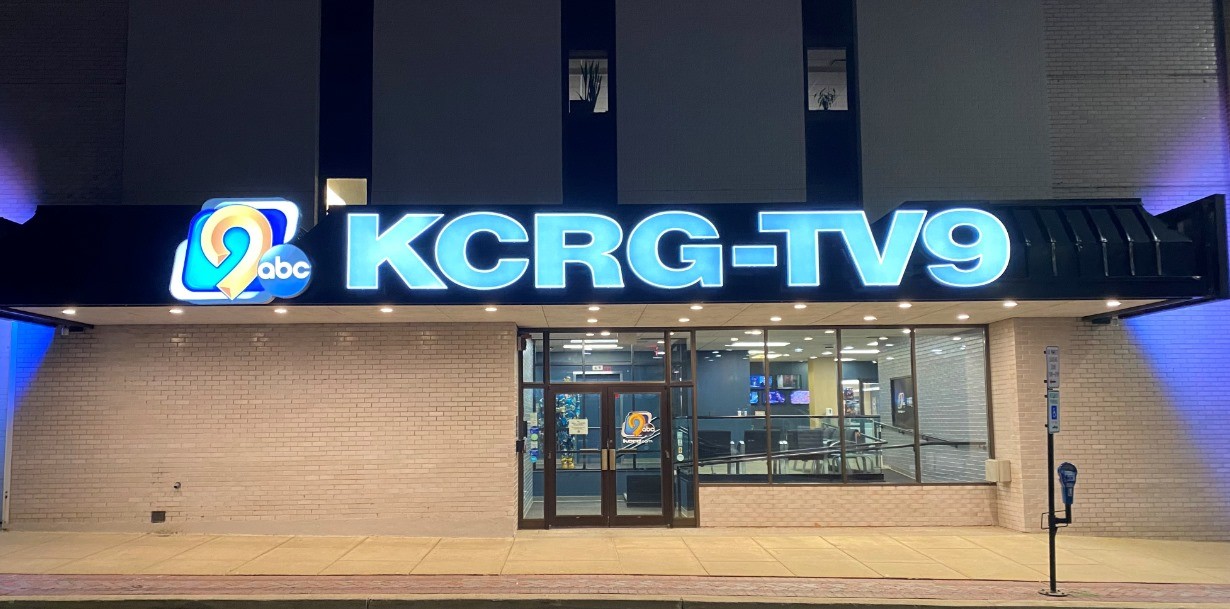
KCRG-TV signed on October 15, 1953, as KCRI-TV amid a surge of early Iowa television stations. Backed by The Gazette and investors, it filled a key gap in Eastern Iowa broadcasting, starting with black-and-white test patterns and ABC affiliation. By 1954, full ownership by The Gazette restored the KCRG calls, solidifying its local identity.[2][3]
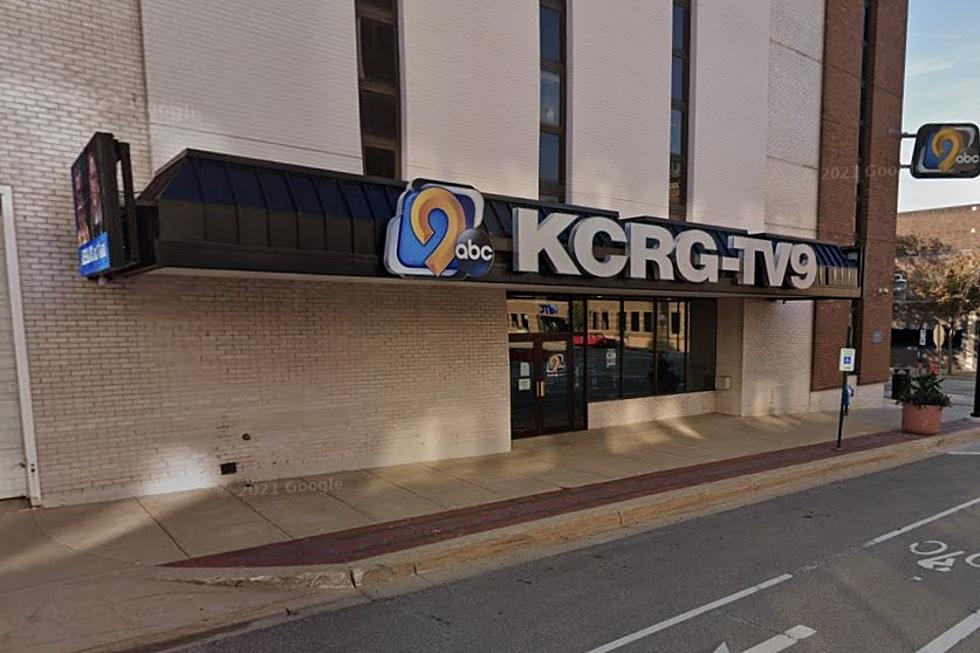
Through the decades, KCRG moved to a new studio in 1975 and became Iowa's last locally owned major station by 1996 before Gray Media's 2021 acquisition. Milestones include color broadcasts, satellite news in 1982, and digital transition in 2009, ensuring resilience during events like the 2008 Great Iowa Flood.[1][2]
Today, at 72 years strong, KCRG reflects on its legacy with archival footage and 70-year retrospectives, highlighting meteorologists and news pioneers who shaped community trust.[7][9]
Pioneering Tech and Broadcasting Innovations
KCRG led Iowa in innovation, launching high-definition TV in January 2003 and HD newscasts on January 21, 2012, with a 113-inch interactive touch screen—the largest in the U.S. at the time. Its 'NewsCopter 9' was the state's first news helicopter, enabling rapid aerial coverage.[2]
The 2021 shift to Gray Media integrated KCRG into a broader network, adding The CW on 9.3 and optimizing bandwidth for HD MyNetworkTV. These upgrades enhance live weather radar and sports reporting, critical for Iowa's variable climate and Hawkeye fandom.[2]
Recent subchannel adjustments, like Start TV's return via partners in 2023, show KCRG's adaptability to viewer demands for diverse programming amid cord-cutting trends.
Serving Eastern Iowa's News Needs
Covering Cedar Rapids, Iowa City, Waterloo, and Dubuque, KCRG delivers hyper-local content on traffic, school closings, and severe storms. Its wall-to-wall flood coverage in 2008 exemplified dedication, operating from downtown studios despite rising waters.[8][2]
As Gray Media's key Iowa outlet, KCRG now links with sister stations like KTTC, amplifying regional stories. Social media and YouTube streams extend its reach, fostering real-time engagement on platforms like Facebook.[2]
In 2025, KCRG remains indispensable for election updates, agricultural reports, and sports, embodying trustworthy journalism in a fragmented media landscape.[1]