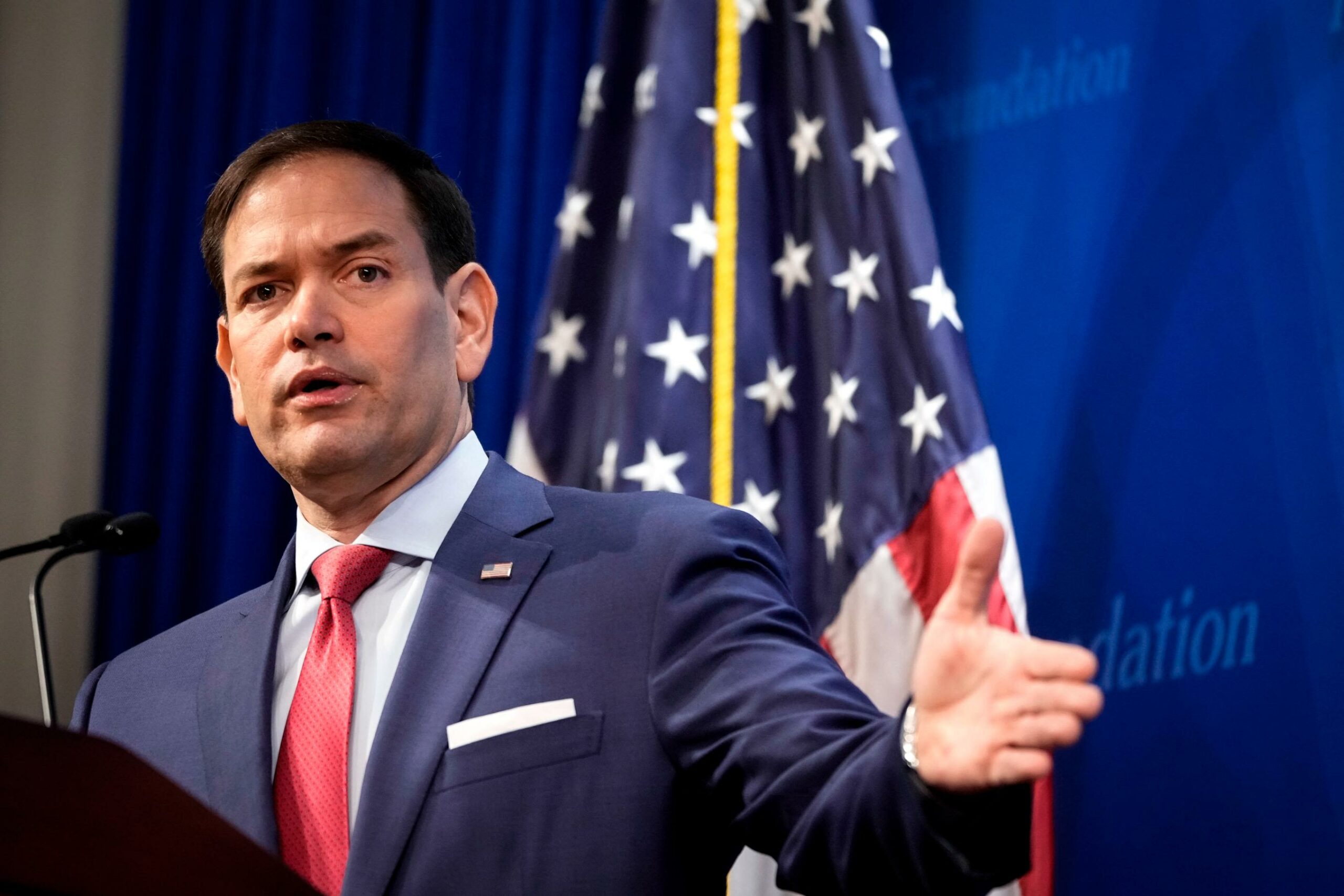
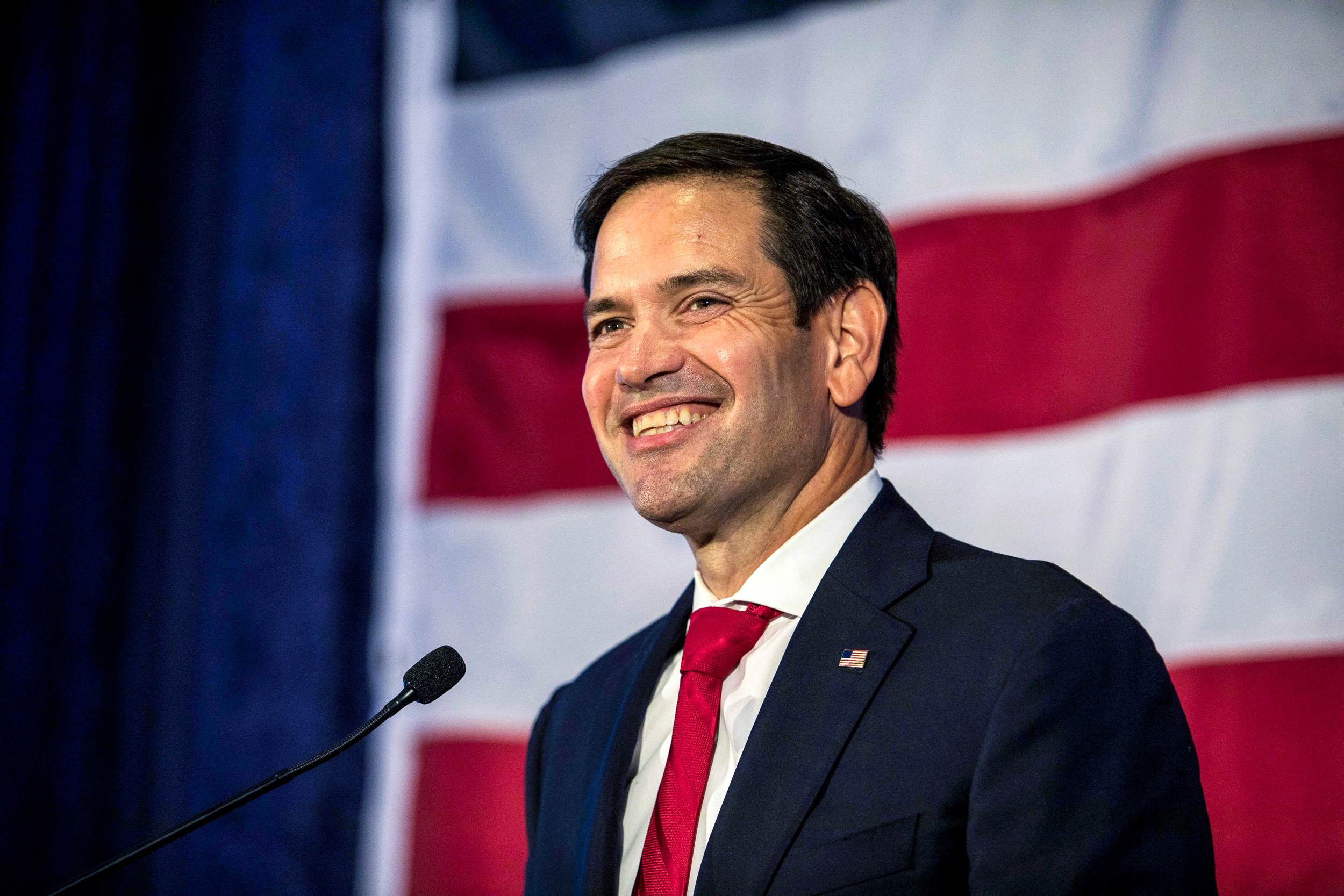
Early Life and Rise in Florida Politics
Marco Antonio Rubio was born on May 28, 1971, in Miami, Florida, to Cuban immigrants who fled Batista's dictatorship in 1956. His family moved to Las Vegas, where his father worked as a bartender and mother as a hotel housekeeper, before returning to Florida in 1985. Rubio graduated from the University of Florida in 1993 and earned a law degree from the University of Miami in 1996.[1][2]
During law school, Rubio worked for Rep. Ileana Ros-Lehtinen, the first Cuban-American woman in Congress. He began politics as West Miami City Commissioner in 1998, then won a special election to the Florida House in 2000. As Speaker from 2006-2008, he led with '100 Innovative Ideas,' passing measures on gangs, energy efficiency, and small business health coverage.[1][3]
These efforts earned praise from figures like Newt Gingrich, establishing Rubio as a principled conservative leader focused on economic growth and education reform.[3]
US Senate Career and Policy Focus
In 2010, Rubio won Florida's US Senate seat in a three-way race against Gov. Charlie Crist, securing a landslide victory. He served three terms until 2025, emphasizing conservative priorities like tax cuts, strong defense, and foreign policy on Latin America, China, and the Middle East.[1][2]
Rubio co-led the 2013 immigration reform via the Gang of Eight, though it stalled in the House. He ran for president in 2016 but dropped out after losing Florida's primary to Trump. Reelected in 2016 and 2022, Rubio shifted toward conservative populism, aligning with Trump on issues like abortion policy.[1][2]
As a senior Senate Foreign Relations Committee member and Intelligence vice chairman, Rubio influenced US diplomacy, reauthorizing the Commission on International Religious Freedom and engaging world leaders.[4]
Secretary of State: 2025 Developments
Following Trump's 2024 victory, he nominated Rubio for Secretary of State. The Senate confirmed him unanimously on January 20 or 25, 2025—sources vary slightly—making history as the highest-ranking Hispanic official. Rubio was sworn in shortly after Trump's inauguration.[1][2][4]
In this role, Rubio addresses pressing issues like Ukraine-Russia tensions, Gaza-Israel conflicts, Venezuela, and China competition. His recent State Department briefing lasted over two hours, showcasing his policy depth. Rubio's portfolio expanded in April 2025 as acting National Security Advisor.[1][2]
Rubio's Cuban heritage and hawkish stances promise assertive US diplomacy, prioritizing America First while advancing alliances and countering adversaries.[4][5]