
What Puerto Rico Is in 2025
Puerto Rico is a Caribbean archipelago and unincorporated territory of the United States, with the main island surrounded by smaller islands like Vieques and Culebra. It combines U.S. infrastructure and currency with Spanish as the dominant language and a culture rooted in Taíno, Spanish, African and North American influences. Visitors do not pass through international customs when arriving from the mainland U.S., which helps keep the island firmly within the orbit of American leisure and business travel.
In 2025, Puerto Rico is marketed globally as both a quick tropical escape and a deeper cultural destination, thanks to improved flight connectivity through San Juan’s Luis Muñoz Marín International Airport and expanded ferry links to offshore islands.[1] Recent travel guides point to the island’s mix of historic cities, rainforests, surf towns and scenic road trips as reasons to stay longer and explore beyond San Juan.[1][2]
Travel Trends and Top Experiences
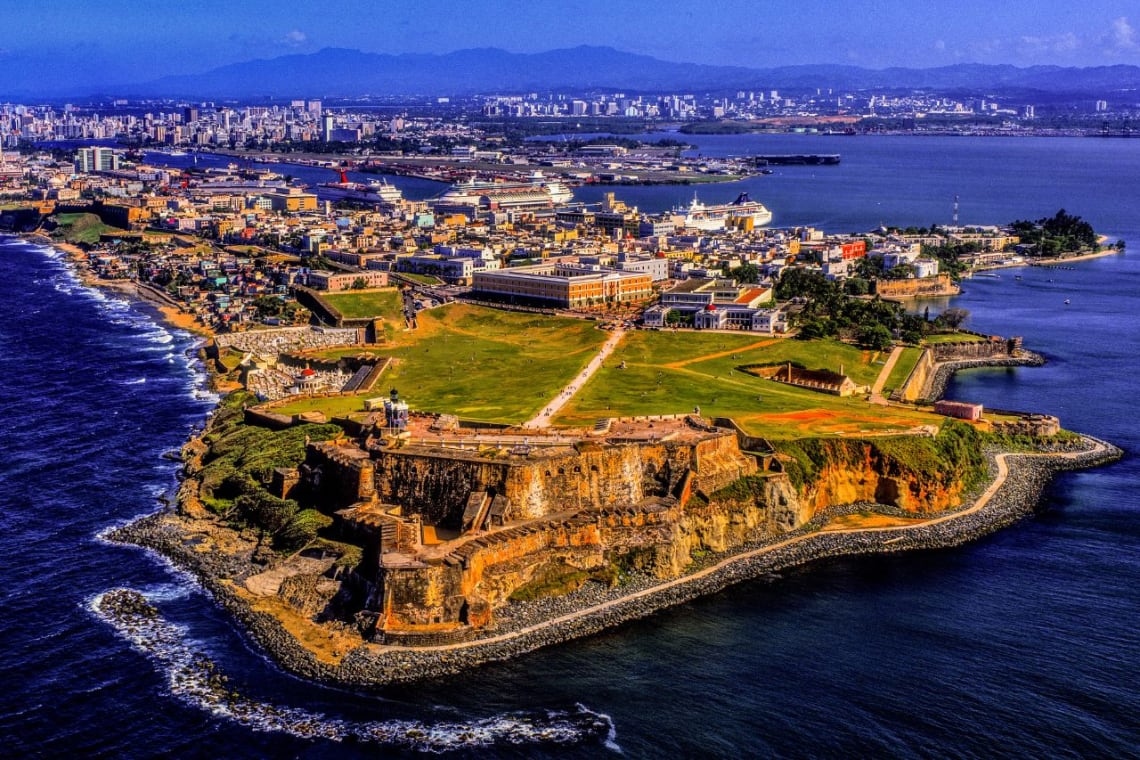
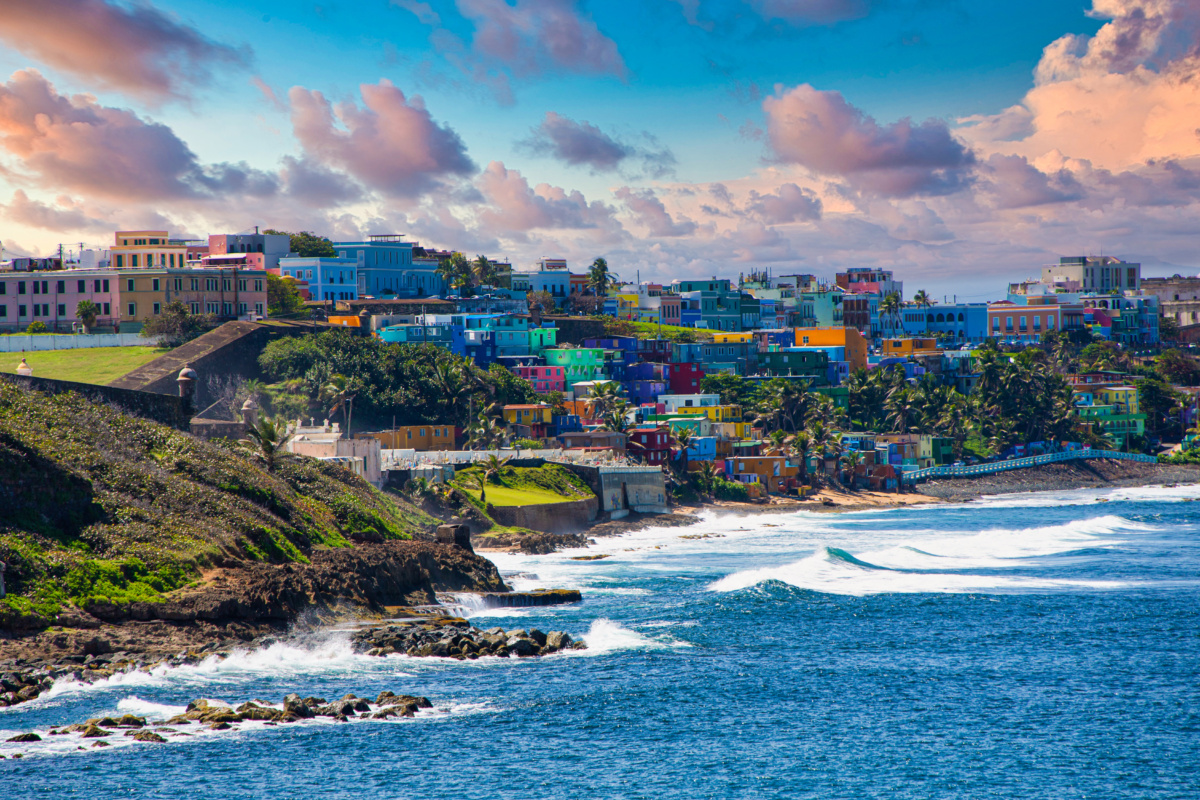
Current guides highlight a boom in eco and cultural tourism, with more eco‑resorts, conservation‑focused tours and community festivals drawing visitors who want low‑impact, locally grounded experiences.[1] Popular activities include wandering the colorful streets and massive seaside forts of Old San Juan, hiking to waterfalls in El Yunque, and paddling through the world‑famous bioluminescent waters of Mosquito Bay on Vieques.[1][3] Classic beach escapes—such as Condado and Ocean Park in San Juan, Flamenco Beach on Culebra, and quiet coves on the west and southwest coasts—remain central to most itineraries.[1][3][4]
Road‑trip style exploration is increasingly promoted, especially drives along the west and south coasts and the mountain‑crossing Ruta Panorámica.[1][2] Travelers are encouraged to stop in towns like Ponce to experience museums, historic plazas and Afro‑Caribbean music, or in Cabo Rojo for lighthouse views, pink salt flats and fishing villages with lively weekend nightlife.[1][2] These routes distribute visitors beyond the capital, supporting local businesses and showcasing the island’s varied geography—from misty interior forests and coffee farms to dramatic seaside cliffs and mangrove‑lined bays.[1][2]
Culture, Holidays and Puerto Rico’s Outlook
Puerto Rico’s reputation for having one of the world’s longest holiday seasons is a major draw for winter travelers, with celebrations that include traditional music, religious processions, street parties and abundant seasonal foods. Destination marketing now frames the island’s holiday period as a signature cultural asset, pairing it with images of Old San Juan lit up at night, beachfront festivities and family‑run restaurants serving dishes like mofongo and lechón asado.[5] Neighborhoods rich in street art and nightlife, such as parts of San Juan and Ponce, are promoted as hubs where visitors can engage with contemporary Puerto Rican creativity.[2][5]
Coverage from travel publishers and magazines emphasizes how Puerto Rico has not only recovered from past storms but invested in hotels, restaurants and infrastructure, leading to a brighter, more confident tourism landscape seven years on.[1][5] The rise of sustainable stays, scenic mountain routes and community‑based tours suggests that future growth will center on experiences that balance visitor demand with environmental and cultural stewardship.[1][2] For travelers, this means Puerto Rico in 2025 offers both classic Caribbean relaxation and an evolving, resilient culture that is increasingly accessible through thoughtfully designed itineraries around the island.[1][2][5]