What Is an SNL Cold Open?
An SNL cold open is the opening sketch that begins Saturday Night Live before the theme song and monologue, usually ending with the famous line, “Live from New York, it’s Saturday Night!”[1] It tends to be ripped from the week’s headlines, using political figures, newsmakers and viral stories as material for quick-hit satire.
Over time, these cold opens have become the show’s most scrutinized segment, often setting the political tone of the episode and driving next-day discussion on social media and news sites.[1][5] When people search for “SNL cold open,” they are usually looking for this first sketch, its meaning, and how it tackled the biggest story of the week.
Trump, Epstein Files and the Televised Address
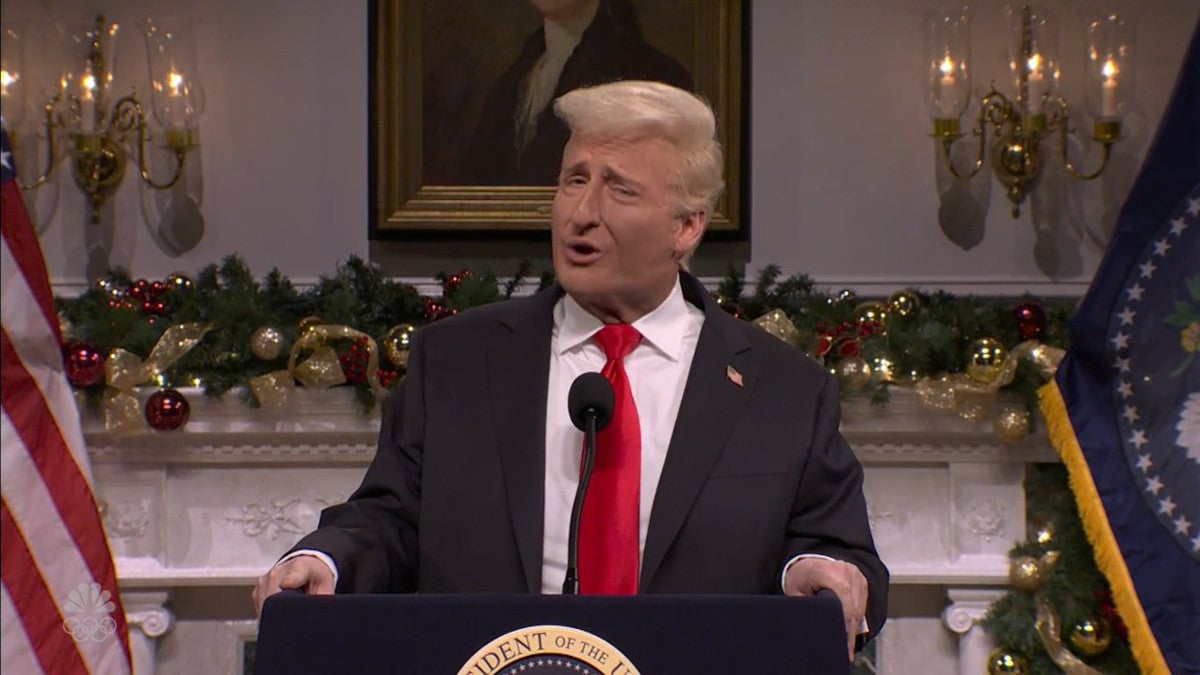
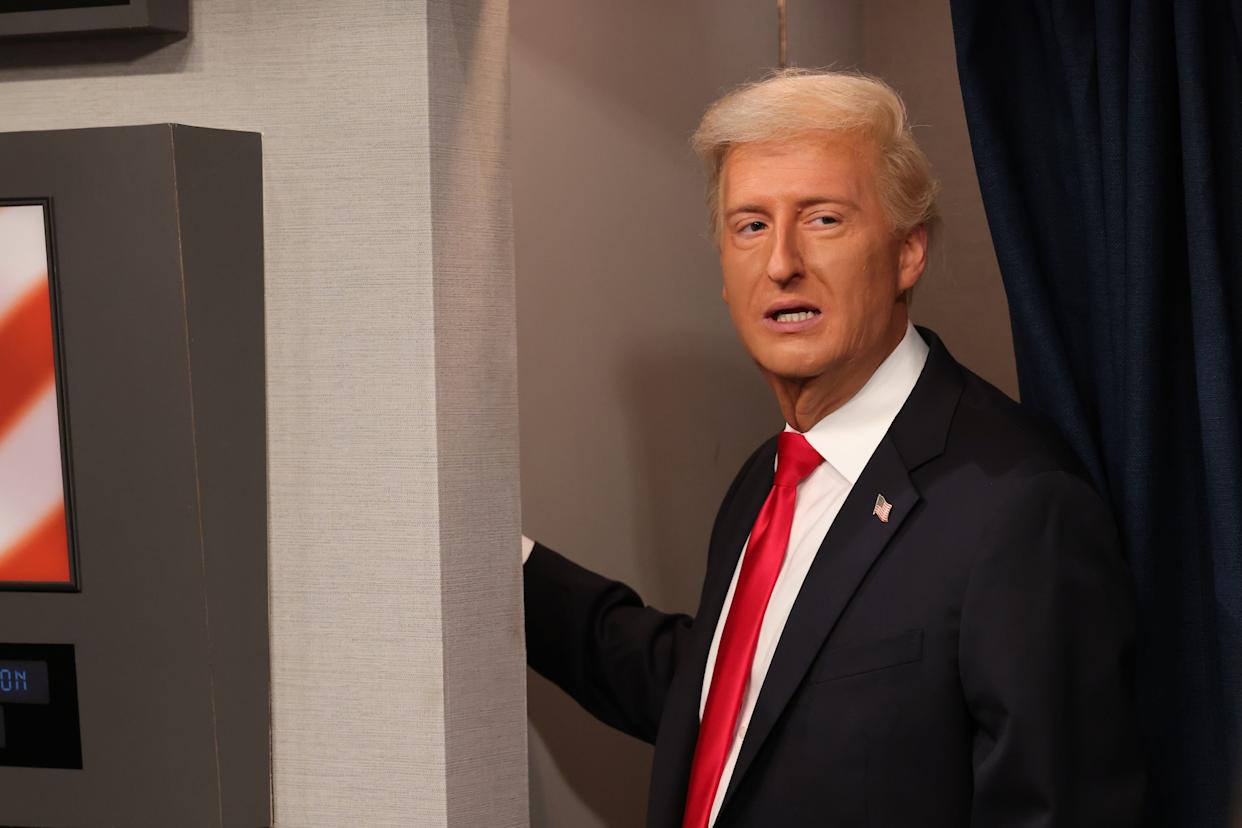
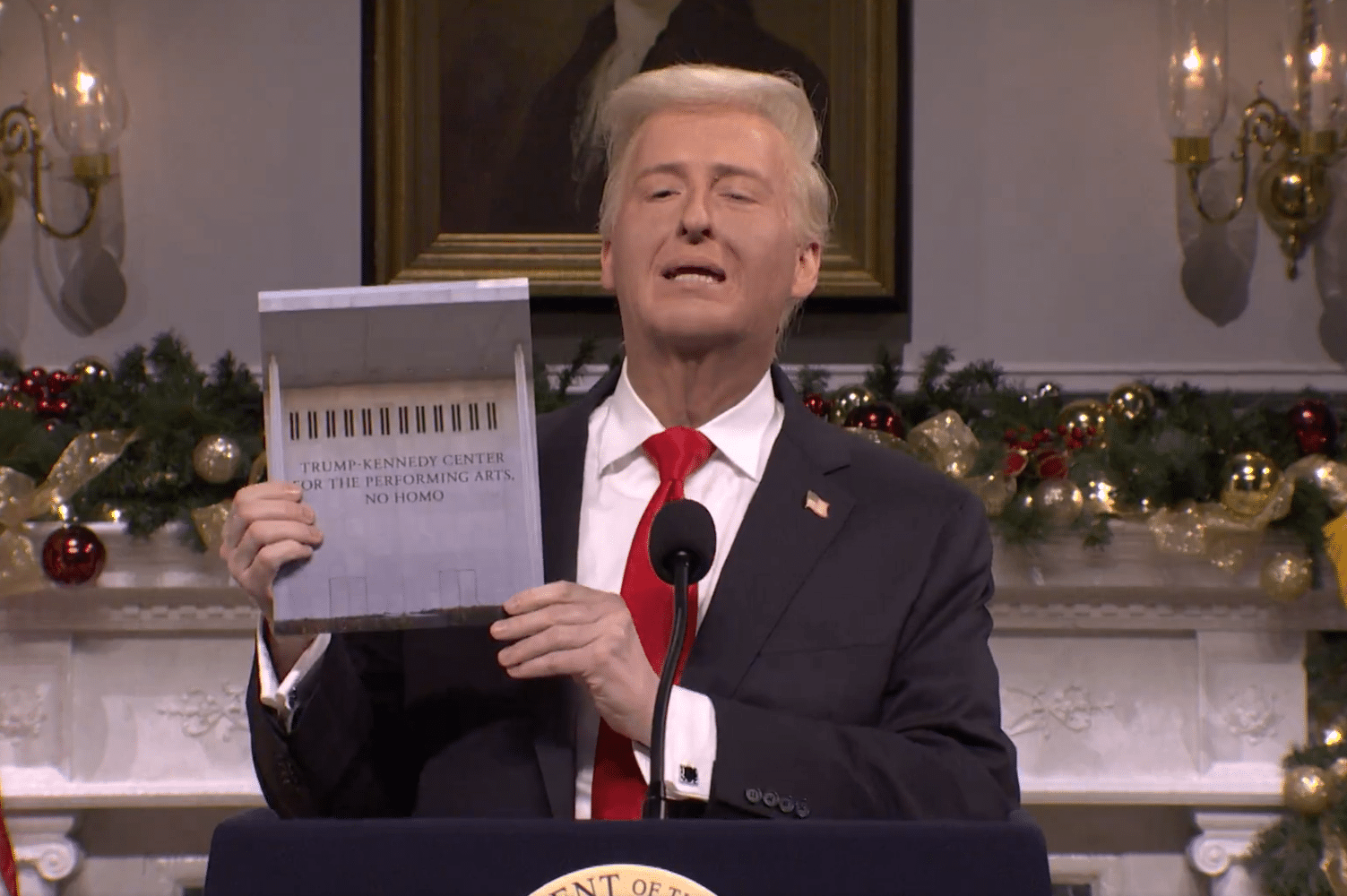
In the latest cold open, James Austin Johnson’s Trump hijacks network programming with a national address that collides with the release of Epstein-related files and a push to rename the Kennedy Center.[4] The sketch portrays him as eager to turn a serious, uncomfortable story into another stage for branding, boasting and grievance.
Rather than explaining the documents in detail, the comedy centers on Trump’s style: meandering tangents, denial, and showy announcements designed to drown out the scandal.[4] This keeps the focus on recognizable behavior, allowing viewers to connect their existing knowledge of the unfolding news with an exaggerated, comic version of the response.
Holiday Spin and Political Satire
The cold open wraps its political jabs in Christmas imagery, from festive backdrops to talk of holiday traditions and seasonal programming.[4] This contrast between cozy visuals and talk of investigations and released files amplifies the absurdity of using a holiday message as cover for damage control.
By turning a presidential-style Christmas address into a vehicle for distraction and self-promotion, SNL critiques how modern political communication often prioritizes attention and optics over substance.[3][4] As the sketch is clipped and shared across platforms, it not only entertains but also shapes how many viewers interpret the real-world events it is parodying.