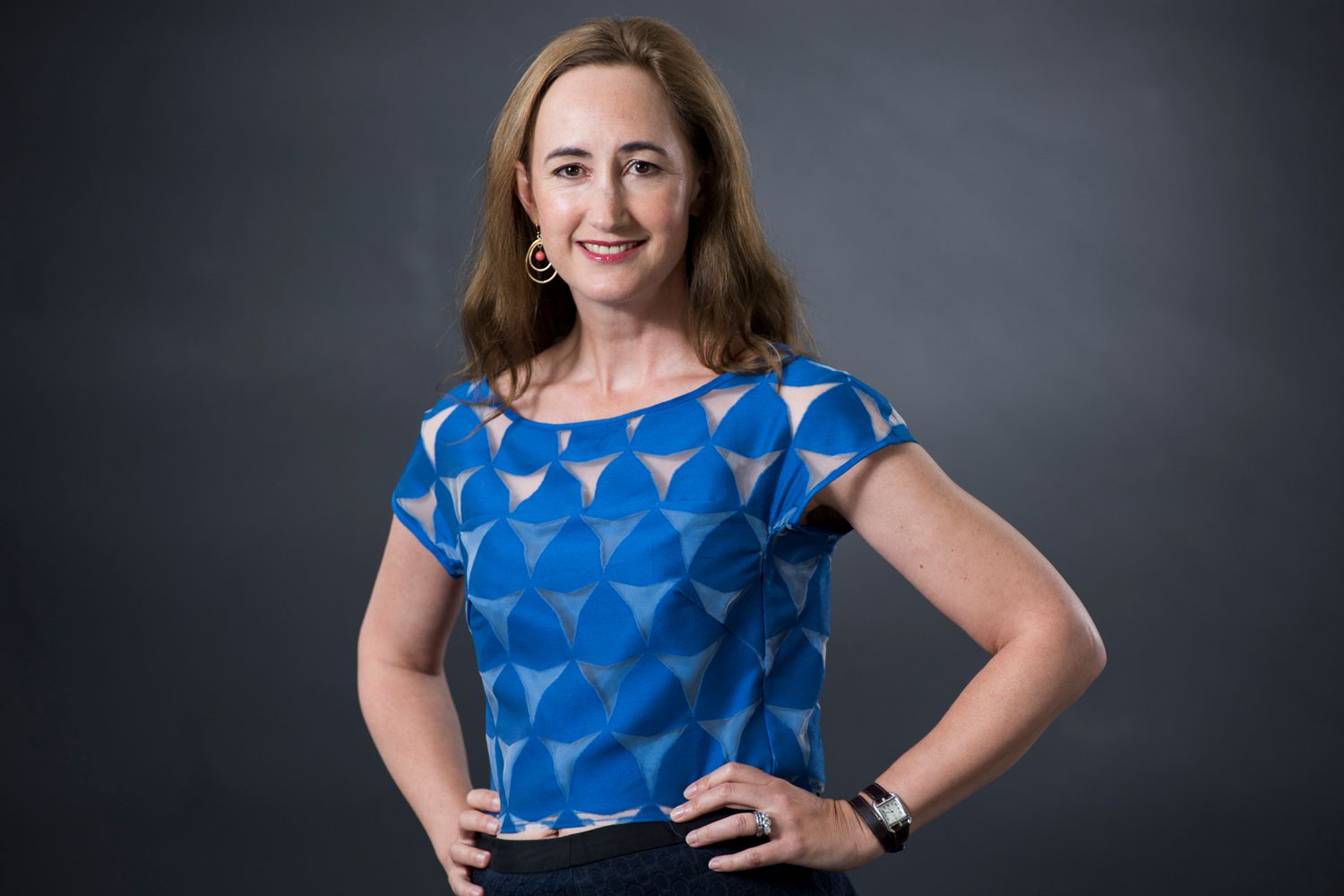


Who was Sophie Kinsella?
Sophie Kinsella was the pen name of English author Madeleine Sophie Wickham, a bestselling novelist whose comic romances and the Shopaholic series sold more than 50 million copies in over 60 countries.[2] She became internationally known for her humorous, first‑person stories about modern women juggling work, love and money, often with disastrous but endearing results.[2]
Writing first under her real name, she later adopted the Kinsella pseudonym to launch a new style of light, fast‑paced fiction that quickly captured readers’ imaginations.[2] Her work spanned adult commercial fiction, young adult novels and children’s books, showcasing a versatility that kept her readership broad and loyal across decades.[2]
Illness, death and public reaction
In 2024, Kinsella disclosed that she had been diagnosed with glioblastoma in late 2022, an aggressive form of brain cancer that explained her quieter public profile.[2] Despite this, she continued to publish and receive recognition, including major year‑end lists and a high‑profile author‑of‑the‑year shortlist, signalling sustained critical and commercial respect late in her career.[2]
Her death at 55 after living with brain cancer was announced by her family and publisher, prompting obituaries across the book trade and mainstream media that emphasised her courage and generosity toward readers.[1] The news sparked a wave of tributes from fans and fellow writers, many of whom shared how her novels had provided comfort, escapism and laughter during difficult times.[1]
Legacy, influence and renewed interest
Kinsella’s legacy rests on her ability to make commercial romantic fiction both sharply observed and deeply entertaining, influencing a generation of writers in the romantic comedy and contemporary women’s fiction genres.[2] Her heroines—flawed, funny and often overwhelmed by modern life—helped normalise conversations about debt, anxiety and career uncertainty within an accessible, comedic framework.[2]
Following her death, readers have been revisiting the Shopaholic novels, her later standalones and her work for younger audiences, driving renewed interest in backlist titles and adaptations.[1] As critics reassess her career, they increasingly highlight not only her sales and film tie‑ins but also the emotional intelligence and social commentary embedded in her seemingly light‑hearted stories.[2]