What Is The Church of Jesus Christ of Latter-day Saints?
The Church of Jesus Christ of Latter-day Saints is a Christian faith founded in the early 19th century that teaches belief in Jesus Christ, modern prophets, and additional scripture such as the Book of Mormon. Members, often called Latter-day Saints, participate in weekly worship services, temple worship, and lay-led congregational life under the direction of a president regarded as a prophet.[1][3]
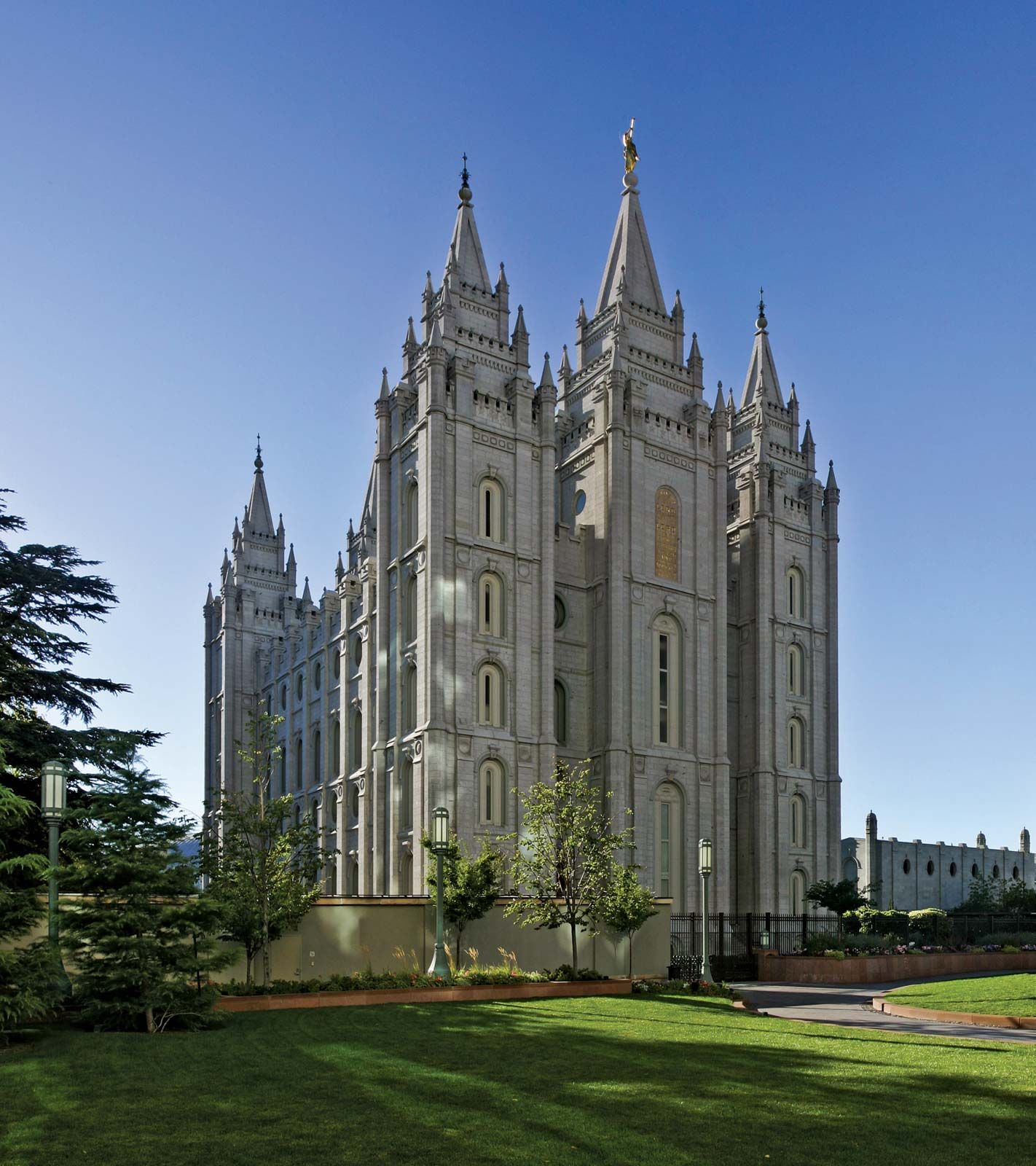
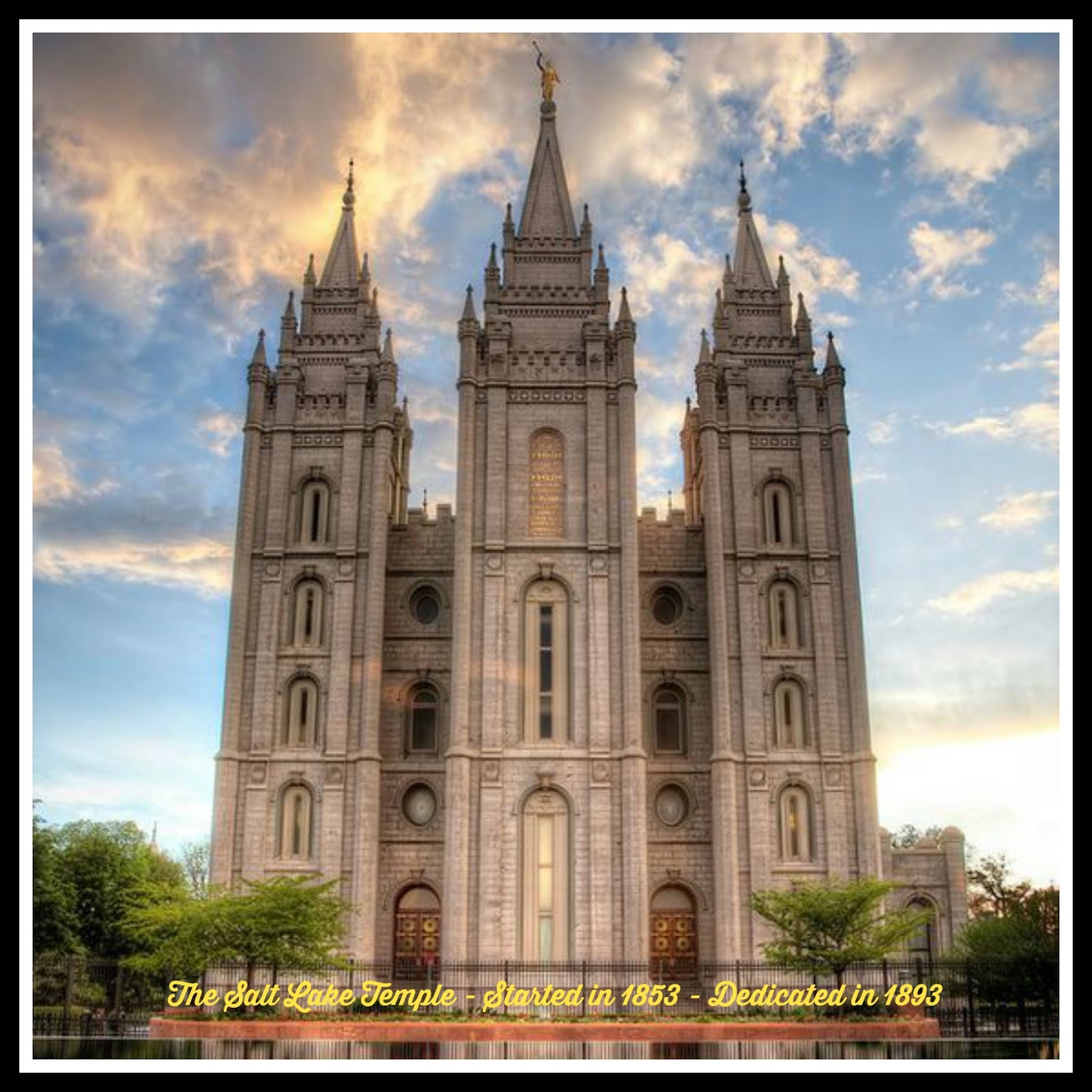
Headquartered in Salt Lake City, Utah, the Church emphasizes family life, missionary work, and covenants made with God. It operates congregations, temples, schools, and welfare programs across the globe, supported largely by volunteer leadership and member contributions.[5][10]
Global Growth and Missionary Work
Recent years have seen record growth for the Church worldwide. Official 2024 statistics report 17,509,781 members and 31,676 congregations, with 308,682 converts baptized during the year—about 50,000 more than in 2023 and the highest convert total in roughly 25 years.[2][6] Church leaders report that from June 2024 through mid‑2025, convert baptisms reached the highest level of any 12‑month period in Church history, with every region of the world experiencing at least a 20% increase in convert baptisms in early 2025 compared with early 2024.[3][4]
Missionary work remains central to this growth. In 2024, the Church reported more than 74,000 full‑time teaching missionaries and over 35,000 service missionaries, organized into 450 missions worldwide.[2][5] Leaders attribute part of the recent surge in growth to renewed emphasis on personal conversion, expanded use of technology and social media, and efforts to reconnect with people who had previously met with missionaries, contributing tens of thousands of new baptisms.[3][4]
Temples, Humanitarian Work, and Future Trends
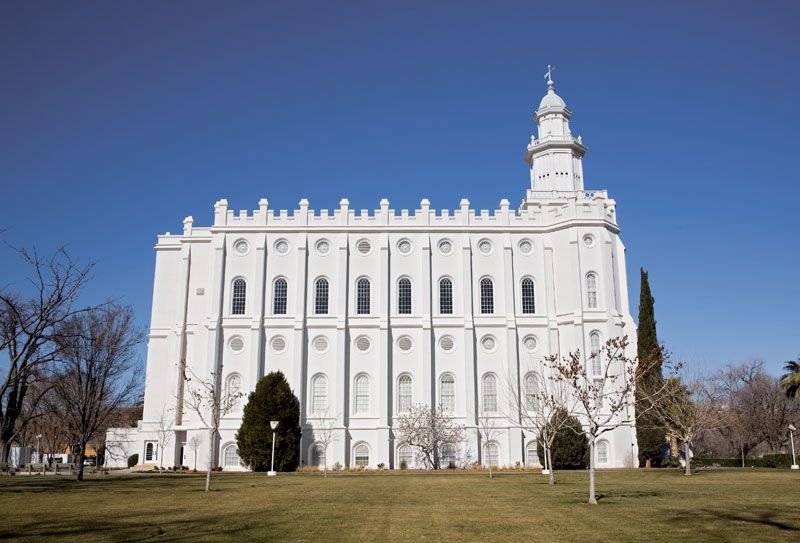
Temples are increasingly central to the Church’s global footprint. By 2025, there are 382 temples announced, under construction, or operating—more than at any time in the Church’s history, with a majority announced in recent years under President Russell M. Nelson.[4][7] These temples, located across every populated continent, allow members to participate in ordinances focused on eternal families and covenant commitments, often reducing travel burdens for Latter-day Saints in emerging areas of membership growth.
The Church is also expanding its humanitarian and community impact. In 2024 alone, Church welfare and humanitarian efforts directed approximately $1.45 billion to relief and development projects, including food aid, disaster response, refugee assistance, and health initiatives.[4][10] At the same time, external research notes rising disaffiliation among younger generations in the United States, even as international membership and convert growth accelerate.[3][8] These contrasting trends suggest that the Church’s future will involve both continued global expansion and ongoing adaptation to the spiritual needs and questions of rising generations.