Qatar Home Purchase Ignites Backlash
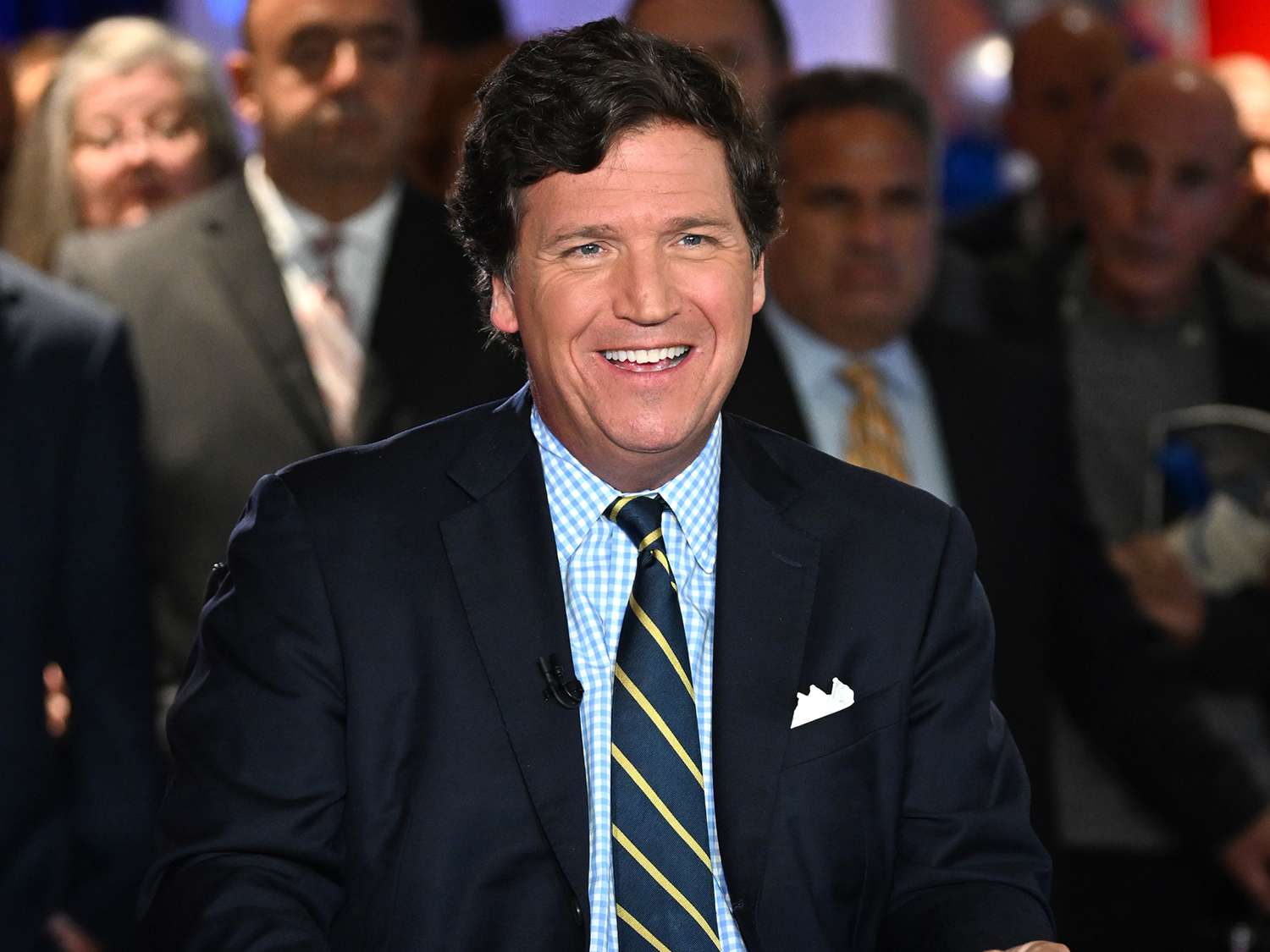
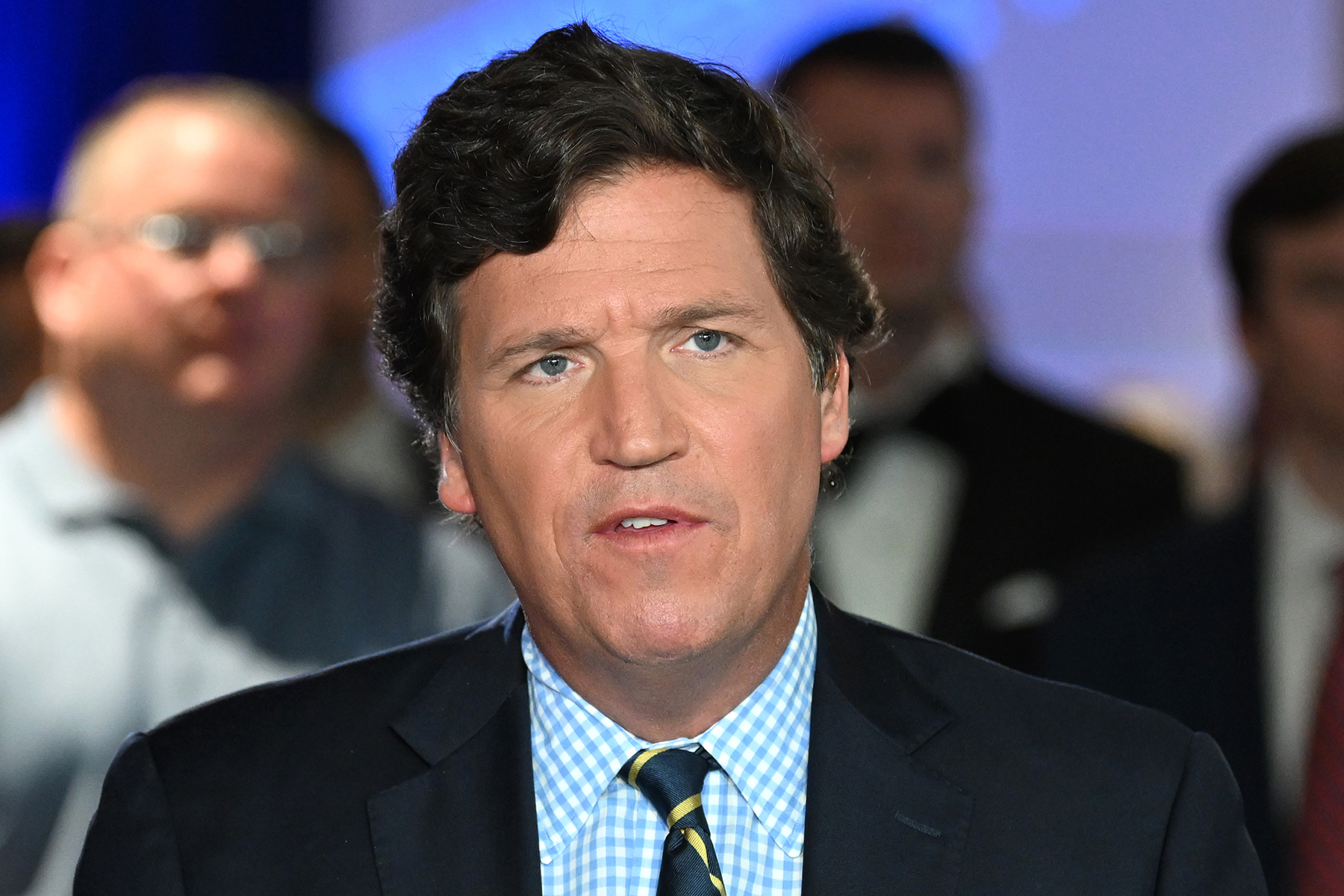
Carlson's revelation at the Doha Forum on December 7 sparked immediate outrage from conservative figures. Texas Senator Ted Cruz and activist Laura Loomer led criticisms, with Loomer accusing him of money laundering through real estate tied to Qatar, a state sponsor of groups like Hamas. She dubbed him 'Tucker Qatarlson' and demanded transparency on the deal.
In response to Doha News, Carlson doubled down, affirming his right as an American to live and speak freely without 'mental bondage.' He clarified no plans to take Qatari money, enjoying the city's beauty while rejecting pressures to conform. Unclear if Doha will become permanent, this move contrasts his secluded Maine life where he produces The Tucker Carlson Show.
The uproar reflects broader fractures on the right, as noted in recent New York Times coverage of Carlson's attacks amid ideological rifts. His Qatar ties fuel debates on foreign influence in US media, with Loomer alleging speakers receive lavish perks from the Qatari government.
Carlson Warns of Imminent Venezuela War
In a Wednesday, December 17, 2025, interview, Tucker Carlson claimed a congressman revealed briefings on Tuesday about an impending war announcement by President Trump tonight at 9 PM ET. He stated lawmakers were told 'a war is coming' targeting Venezuela, escalating Trump's campaign against Nicolas Maduro.
This assertion, relayed through X posts and clips like one with Judge Napolitano, positions Carlson as a conduit for insider leaks. It aligns with his history of challenging mainstream narratives, now focusing on potential military action amid Venezuela's political turmoil.
Reactions poured in rapidly, with the claim amplifying fears of US intervention. Carlson's platform, including his Tucker Carlson Network and YouTube channel, ensures wide reach, intensifying global scrutiny on US foreign policy shifts under Trump.
Impacts on Politics and Media
Carlson's actions deepen divisions within conservative circles, as seen in attacks from former allies like Cruz and Loomer. His Qatar move and war predictions challenge narratives of unity on the right, potentially reshaping alliances ahead of key political moments.
Media outlets track his influence via official sites and Wikipedia, highlighting his pivot from Fox News in 2023 to independent ventures. These developments boost his visibility, driving engagement on TuckerCarlson.com and YouTube.