US Ramps Up Economic Sanctions
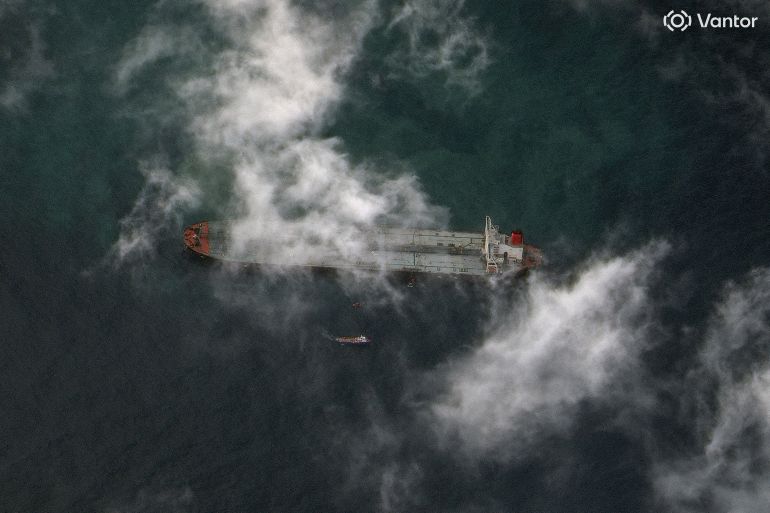
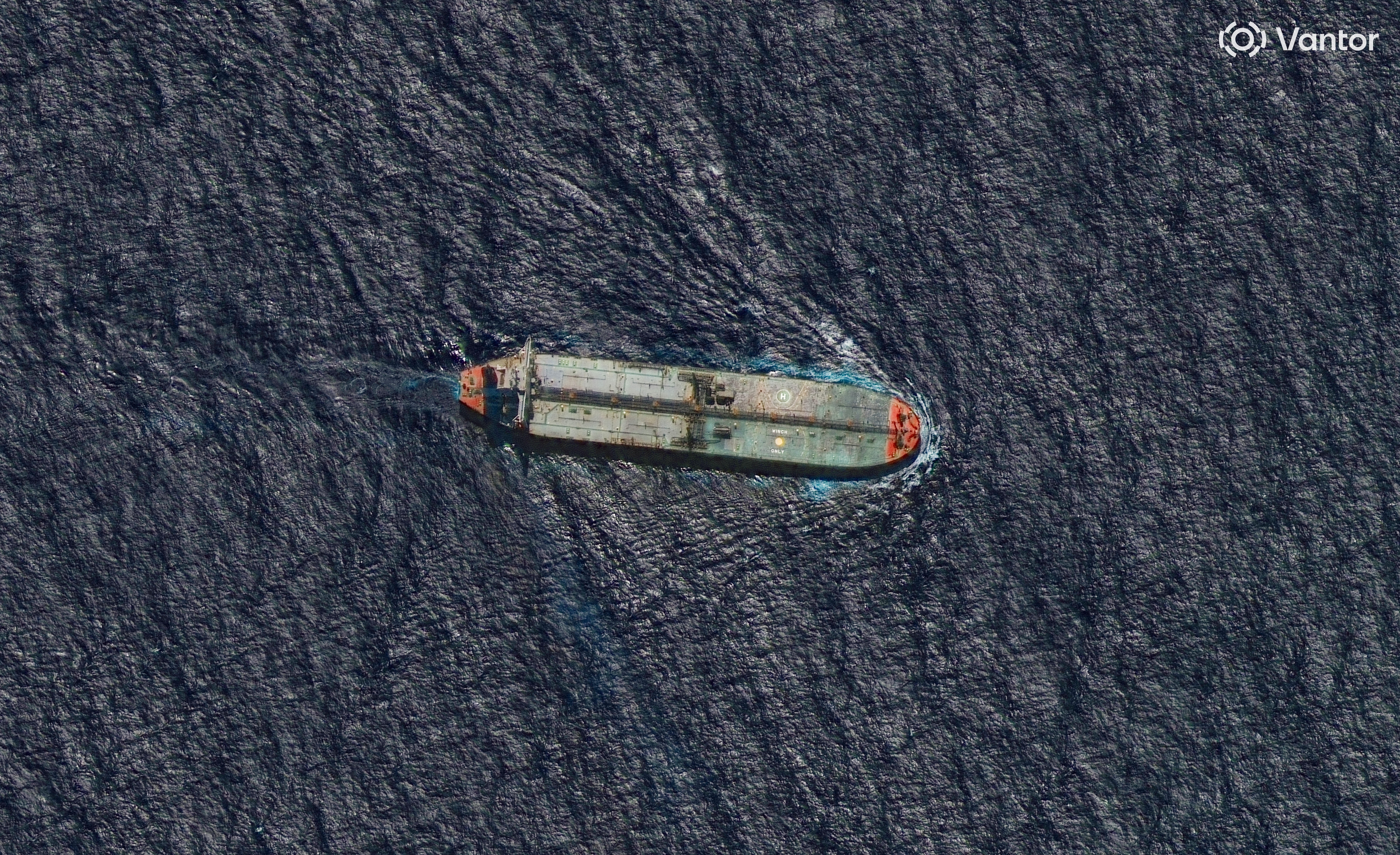
The United States has intensified its economic campaign against Venezuela, described as 'economic asphyxiation' in recent analyses. New restrictions target key sectors like oil, Venezuela's primary revenue source, aiming to weaken the Maduro administration's grip on power[1].
These sanctions, renewed and expanded in late December 2025, block international transactions and freeze assets, compounding the nation's woes. Critics argue this approach harms civilians more than leaders, fueling a humanitarian crisis with widespread shortages.
Despite international calls for relief, the US maintains that easing pressure would reward authoritarianism, keeping military options on the table as a deterrent.
Humanitarian Toll on Civilians
Venezuelans endure profound impacts from these policies, with food insecurity affecting over 30% of the population. Economic isolation has led to black market reliance and increased poverty rates.
Mass emigration continues, with millions fleeing to neighboring countries. Reports from December 26, 2025, underscore how sanctions exacerbate daily struggles for families[1].
Local voices call for dialogue, but geopolitical standoffs hinder progress, leaving ordinary people caught in the crossfire.
International Response and Future
Global powers react variably: allies like Russia and China provide economic lifelines to Venezuela, countering US influence. The UN urges de-escalation to address humanitarian needs.
Looking ahead, 2026 may see intensified negotiations or further isolation, depending on US policy shifts post-elections.
Analysts predict sustained pressure unless diplomatic breakthroughs occur, with Venezuela's stability hanging in balance.