A Storied Production History
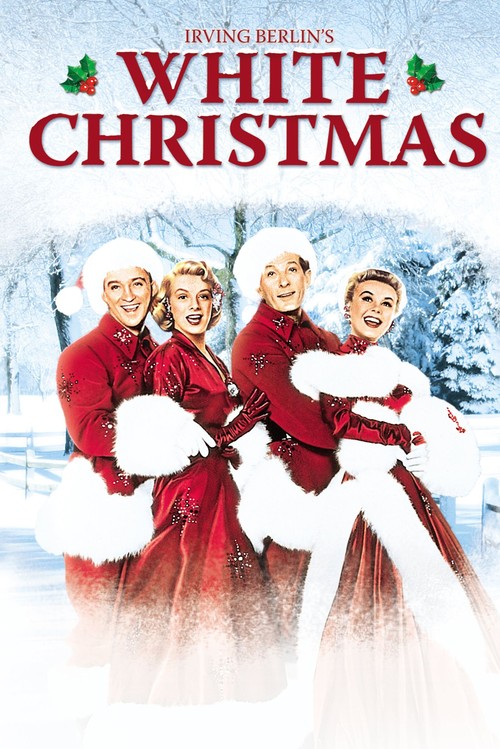
Originally planned as a reunion for Bing Crosby and Fred Astaire, White Christmas faced casting changes when Astaire declined, followed by Donald O'Connor's illness, leading to Danny Kaye's star-making role for $200,000 plus 10% gross. Crosby, grieving his wife, briefly paused but returned, partnering financially with Berlin and Paramount. This collaboration birthed a holiday icon filmed in vibrant Technicolor.[1][3]
Irving Berlin crafted new songs alongside classics, though some like "Santa Claus" were cut. The WWII opening scene sets a poignant tone, reflecting post-war sentiments that connected deeply with 1950s audiences. In 2025, these behind-the-scenes tales add depth to festive rewatches.[1]
Iconic Cast and Performances
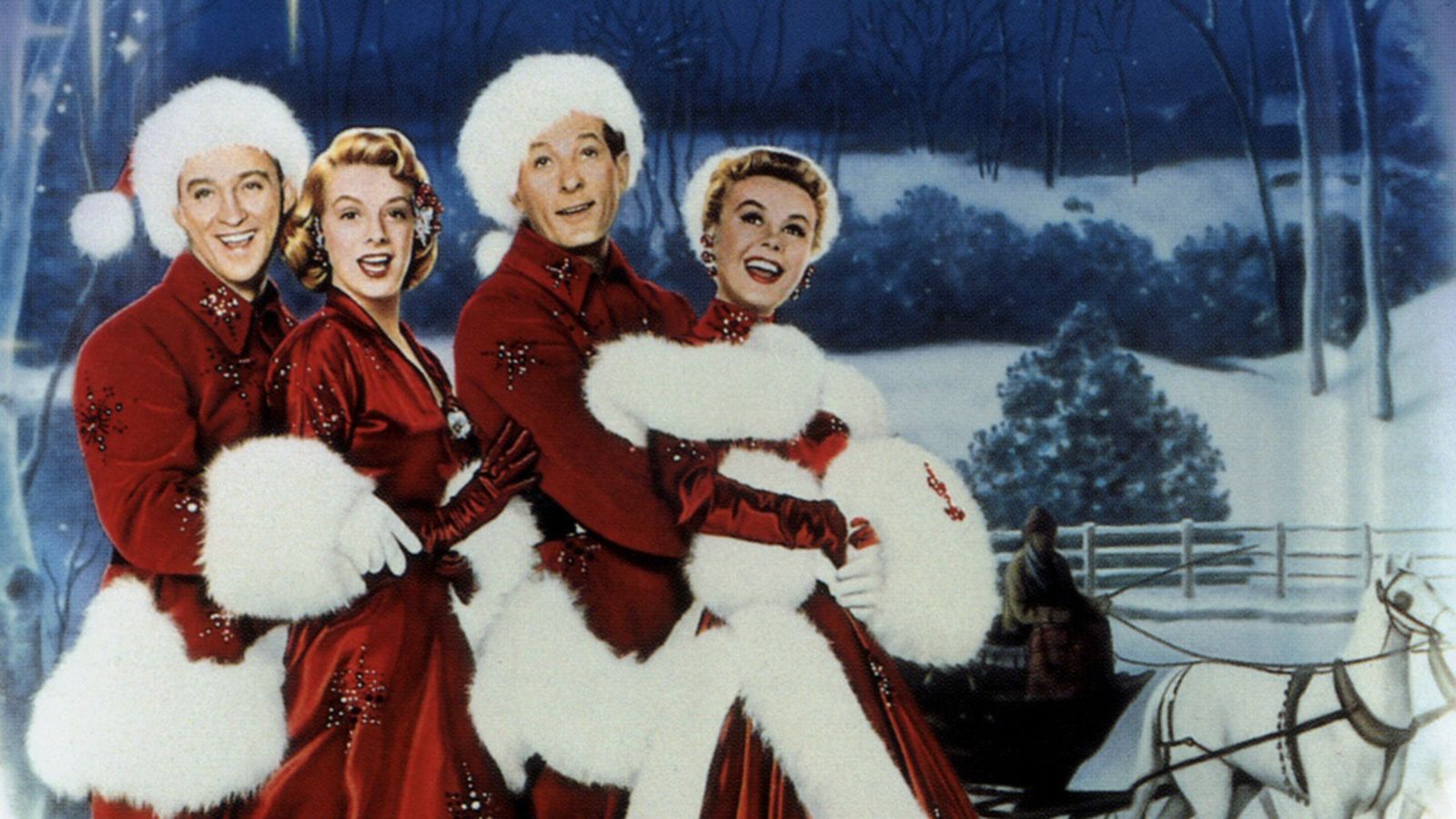
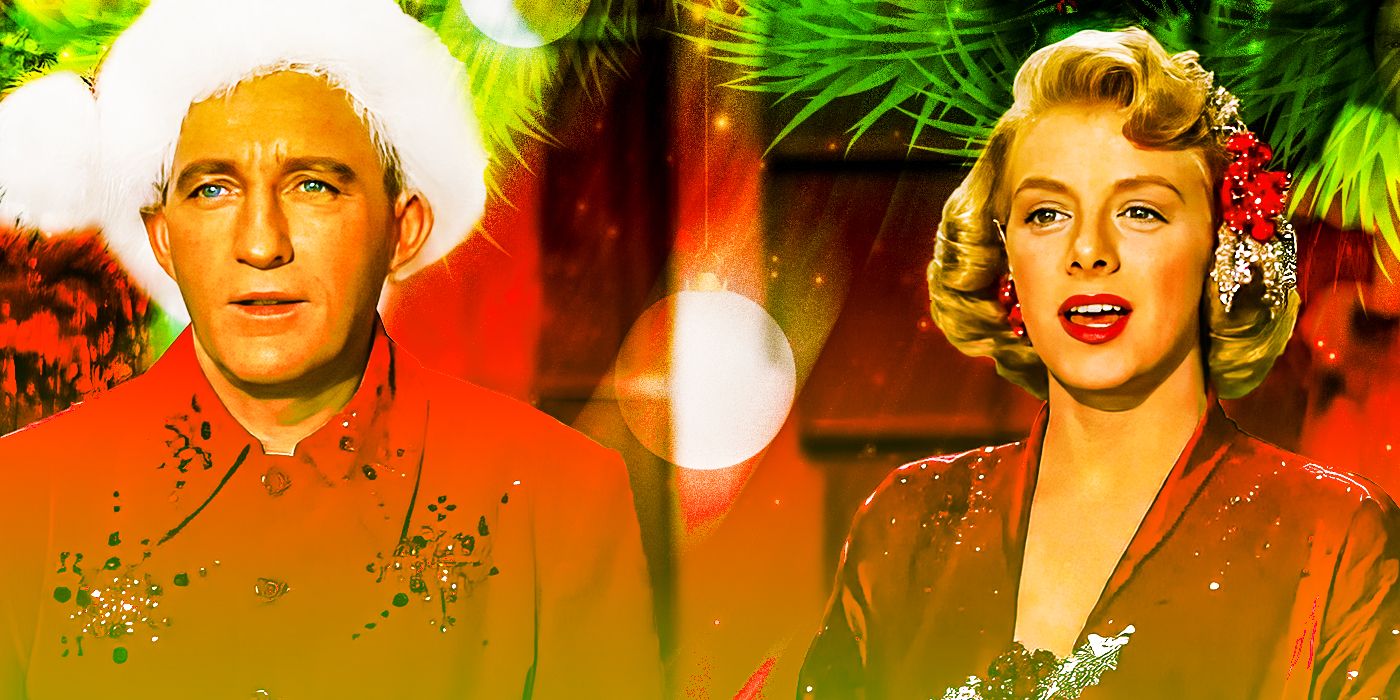
Bing Crosby's suave Bob Wallace pairs perfectly with Danny Kaye's comedic Phil Davis, alongside Rosemary Clooney's heartfelt Betty Haynes and Vera-Ellen's graceful Judy. Dean Jagger's General Waverly anchors the emotional core, with Mary Wickes adding sharp humor. Their chemistry, especially in numbers like 'Sisters,' remains unforgettable.[1][3]
Critics praised the ensemble: Kate Cameron awarded four stars for its 'first-class entertainment.' Today, the cast's legacies endure—Clooney's vocals shine in duets, while Kaye's drag scene delights new generations. On this Christmas Eve, their performances evoke timeless joy.[1][4]
Enduring Cultural Impact
White Christmas topped 1954 box office and ranks high inflation-adjusted, grossing $30 million domestically over re-releases. Berlin's score, led by Crosby's record-breaking single, defines holiday nostalgia. Globally, it inspires sing-alongs and Vermont tourism tie-ins.[1][2]
In 2025, amid streaming booms, the film sustains traditions, with YouTube clips and playlists amplifying its reach. Its message of camaraderie resonates post-pandemic, making it essential viewing for US and worldwide families on December 24.[3][5]