Economy and Diversification Efforts
Algeria’s economy has historically relied on hydrocarbons, with oil and gas revenues dominating exports and public finances. Recent data show that while hydrocarbon exports have softened, non-hydrocarbon sectors such as services and industry are expanding more rapidly, helping overall GDP growth and contributing to a reduction in inflation.[3] This marks a cautious but important shift away from dependence on volatile energy markets.
To consolidate these gains, Algeria is pursuing reforms to improve the investment climate, widen access to credit, and stimulate private-sector innovation.[3] Policymakers are also weaving climate considerations into economic planning, anticipating new regulations like the EU’s Carbon Border Adjustment Mechanism, which will affect carbon-intensive exports and incentivize cleaner production.[3] Hosting continental events such as the African Startup Congress further signals a desire to embed Algeria in Africa’s emerging digital and AI-driven economy.[5]
Foreign Policy and Regional Role
Algeria’s foreign policy is grounded in principles of sovereignty, non-interference, and support for liberation movements, shaped by its own anti-colonial struggle.[1][2] Recently, Algiers has launched what observers describe as a “charm offensive” toward the United States, emphasizing that there is “no limit” to potential bilateral cooperation in areas from security to economic development.[1] This outreach contrasts with its historic alignment with Russia and reflects efforts to relieve regional isolation and diversify strategic partnerships.[1]
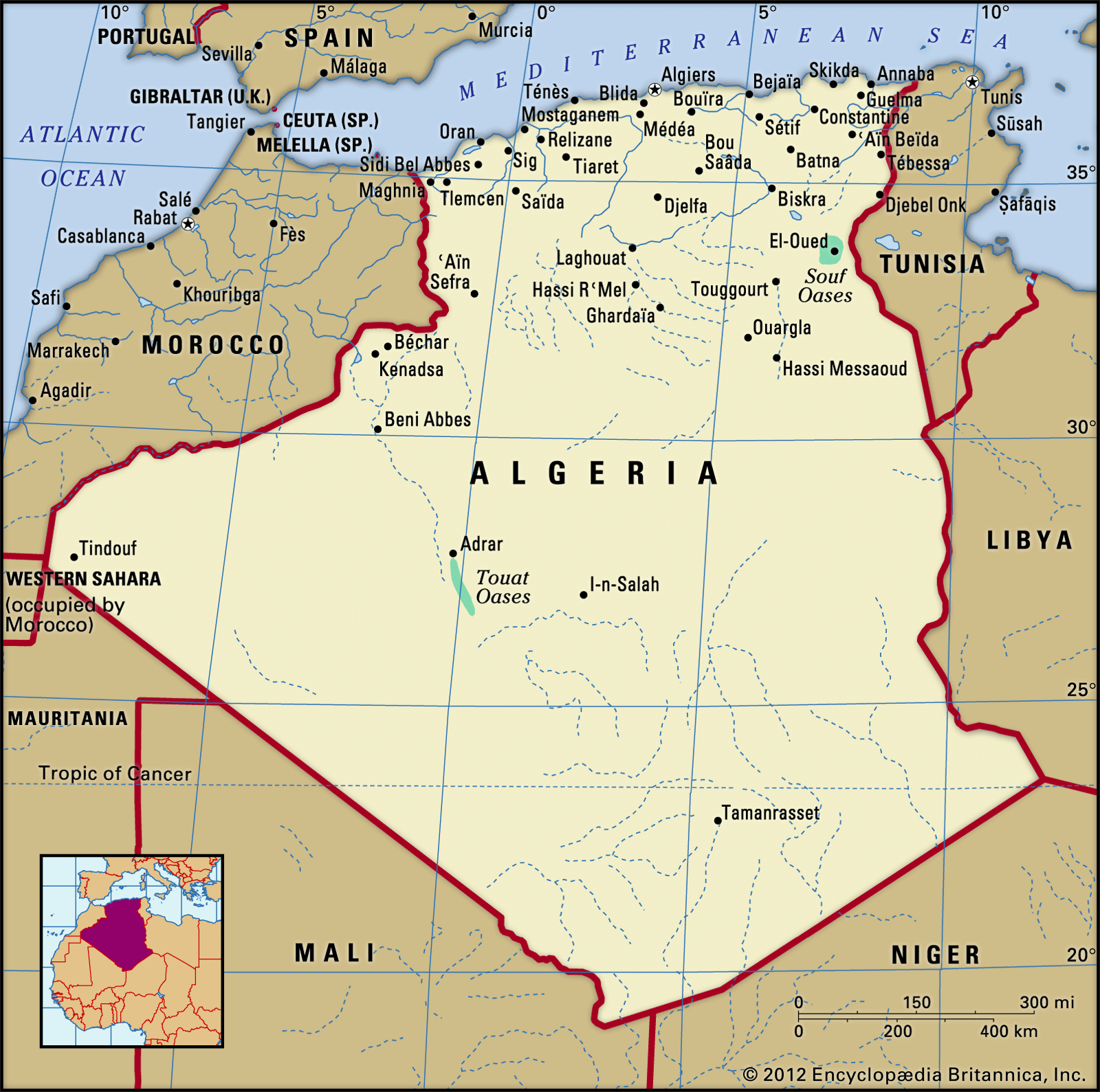
Regional tensions with Morocco, diplomatic rifts with Spain and France, and instability in the Sahel have all influenced Algeria’s recent diplomatic moves.[1] Concerns about foreign paramilitary deployments near its borders and contested territories like Western Sahara have prompted Algiers to seek new security understandings while maintaining a strong voice within African Union and Arab League frameworks.[1][5][6] By hosting pan-African conferences on innovation and colonialism, Algeria couples hard security interests with soft power initiatives that reinforce its image as both a regional power and a guardian of anti-colonial ideals.[5][6]
Colonial Memory and Historical Justice
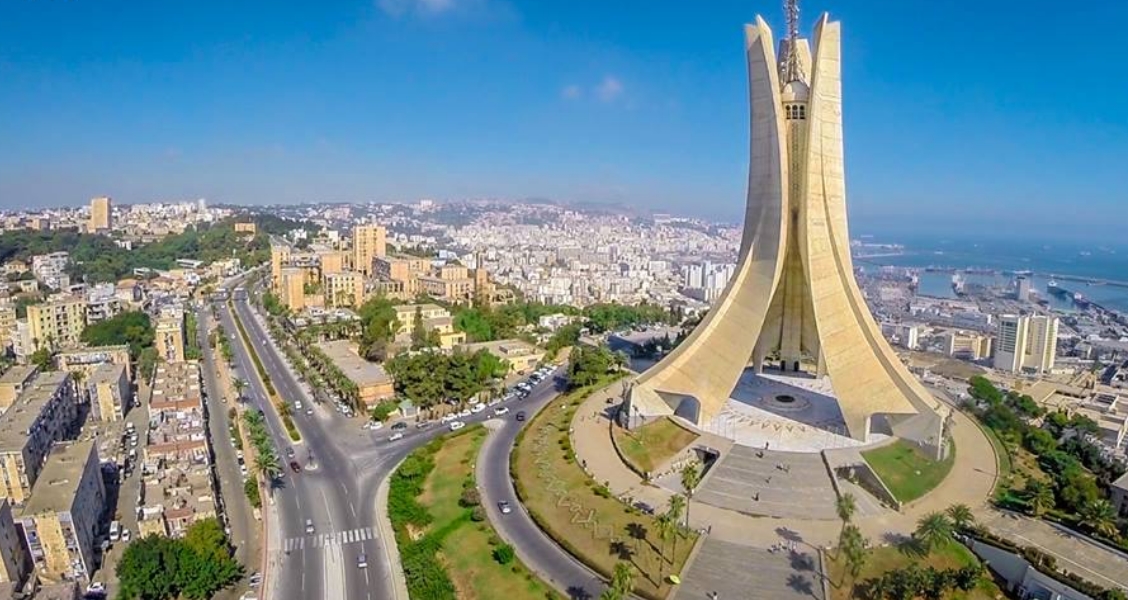
The legacy of French rule from 1830 to 1962, marked by dispossession, mass killings, and a bloody war of independence, remains a central theme in Algerian politics and society.[2] Current legislation before Algeria’s parliament seeks to declare French colonization a “state crime,” assert France’s legal responsibility for colonial-era atrocities, and demand apologies and reparations.[2] Analysts note that although such a law has no binding effect on France in international law, it carries substantial political and symbolic weight, signaling a more assertive posture on historical memory.[2]
Algeria has also internationalized its memory agenda by convening the International Conference on the Crimes of Colonialism in Africa, an African Union–backed gathering in Algiers focused on the enduring economic, social, and political consequences of colonial rule.[6] By framing colonialism as a crime with ongoing impacts, Algeria connects its national narrative to broader African and global movements for reparative justice, restitution, and structural reform.[2][6] This approach influences bilateral ties with France, informs its stances in multilateral forums, and shapes how younger generations at home and across Africa understand the links between past exploitation and present inequalities.[6]