US Seizures Target Shadow Fleet
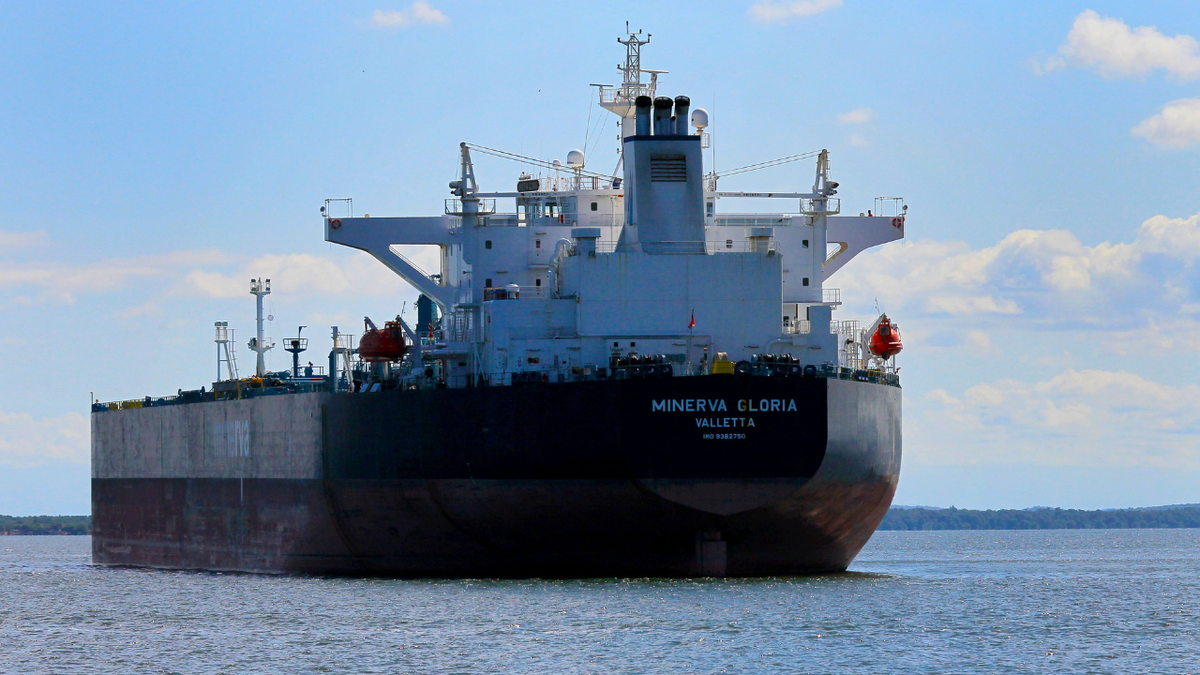
The United States seized the oil tanker Skipper on December 10, 2025, in the Caribbean Sea off Venezuela's coast as part of Operation Southern Spear. The Panama-flagged vessel, sanctioned by the US Treasury in 2022, was linked to a shadow fleet involving Iranian oil smuggling and groups like Hezbollah. A federal seizure warrant, issued two weeks prior and executed just before expiration, authorized the action by the FBI, DHS, Marine Corps, and Coast Guard[1].
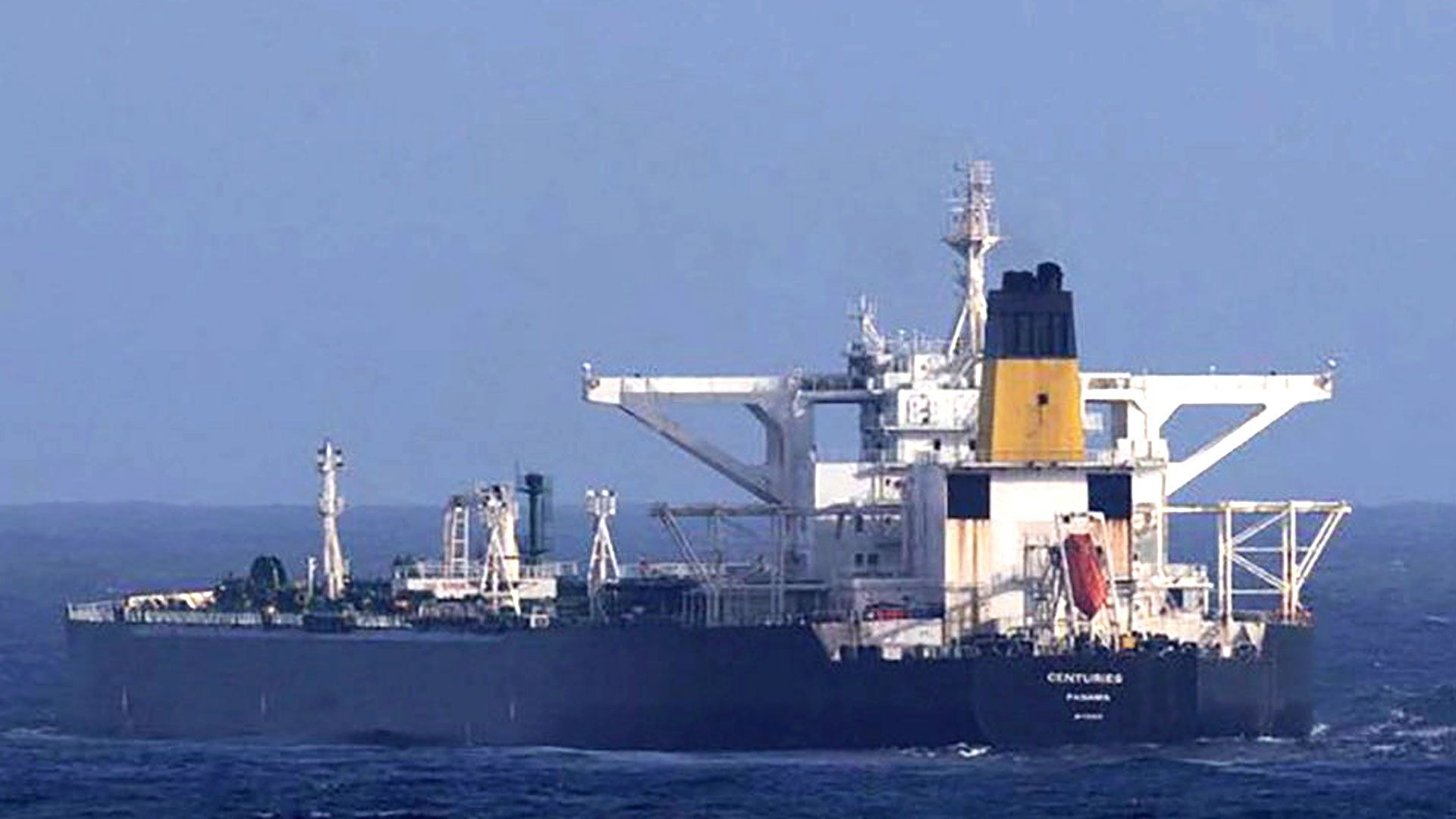
Subsequent seizures included the Centuries, another Panama-flagged tanker, intercepted by the US Coast Guard with Navy assistance. Officials confirmed these vessels transported sanctioned Venezuelan crude, serving as Maduro's economic lifeline. US Attorney General Pam Bondi emphasized the tankers' role in funding narco-terrorist activities tied to the Cartel de los Soles[1][2].
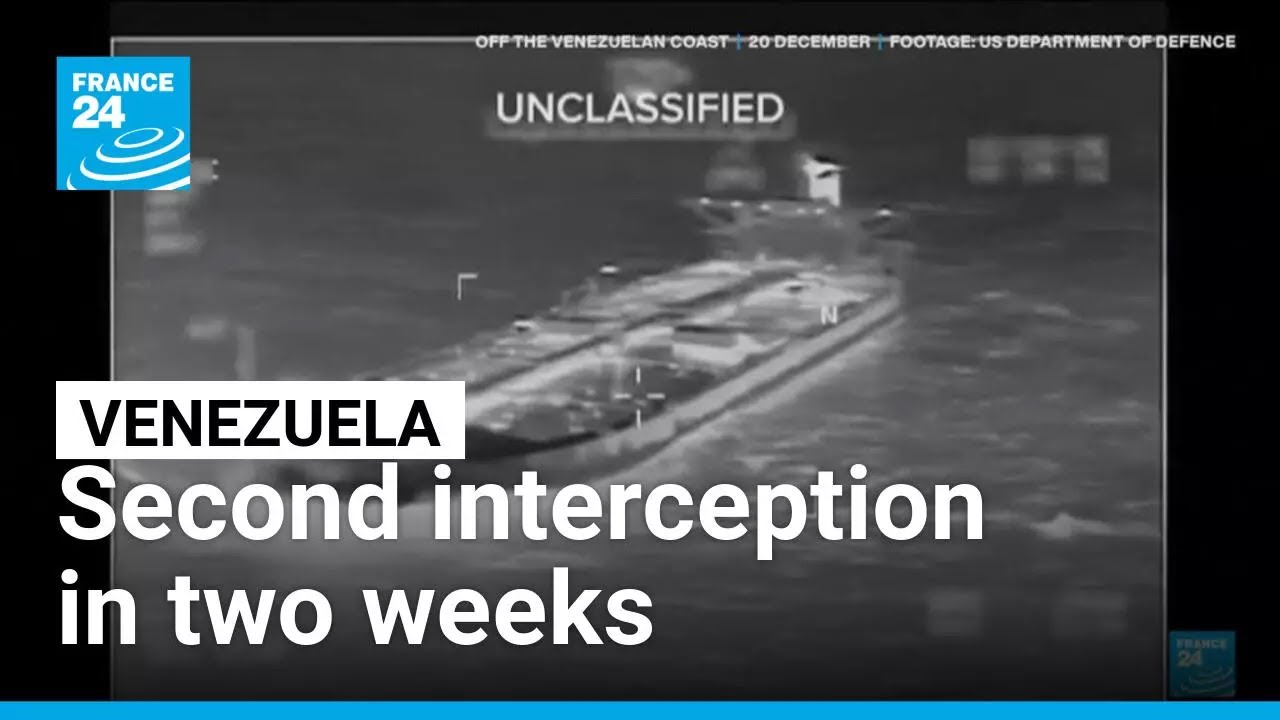
A third tanker is now in the US crosshairs, with reports of interdiction off the Venezuelan coast. Exclusive sources indicate US officials are actively blocking these sanctioned vessels to enforce Trump's blockade strategy[initial sources].
Venezuela Criminalizes Trade Interference
In direct response to the US seizures, Venezuela's National Assembly swiftly approved a bill on Tuesday criminalizing acts that hinder navigation and commerce, such as tanker interceptions. The measure, debated and passed in two days, targets the US pressure campaign that has nabbed two vessels this month[2].
President Trump announced a blockade following the first seizure, demanding Venezuela return assets seized from US oil companies years ago. At a UN Security Council emergency meeting, US Ambassador Mike Waltz defended the actions, stating sanctioned tankers enable Maduro's fraudulent power and illicit activities[2].
Economic and Geopolitical Impacts
These seizures disrupt Venezuela's oil exports, its main revenue stream amid crippling sanctions. By targeting the shadow fleet, the US aims to starve Maduro's regime of funds for military and criminal enterprises, potentially accelerating political change[1][2].
Globally, the actions raise tensions in international waters, prompting Venezuela's UN complaints. Energy markets watch closely, as blocked shipments could affect oil supply chains, though US officials stress compliance with international law[initial sources][2].
The campaign underscores Trump's four-month escalation against Maduro, blending sanctions enforcement with demands for asset restitution and regime accountability[2].