What “Trump Approval Rating” Means
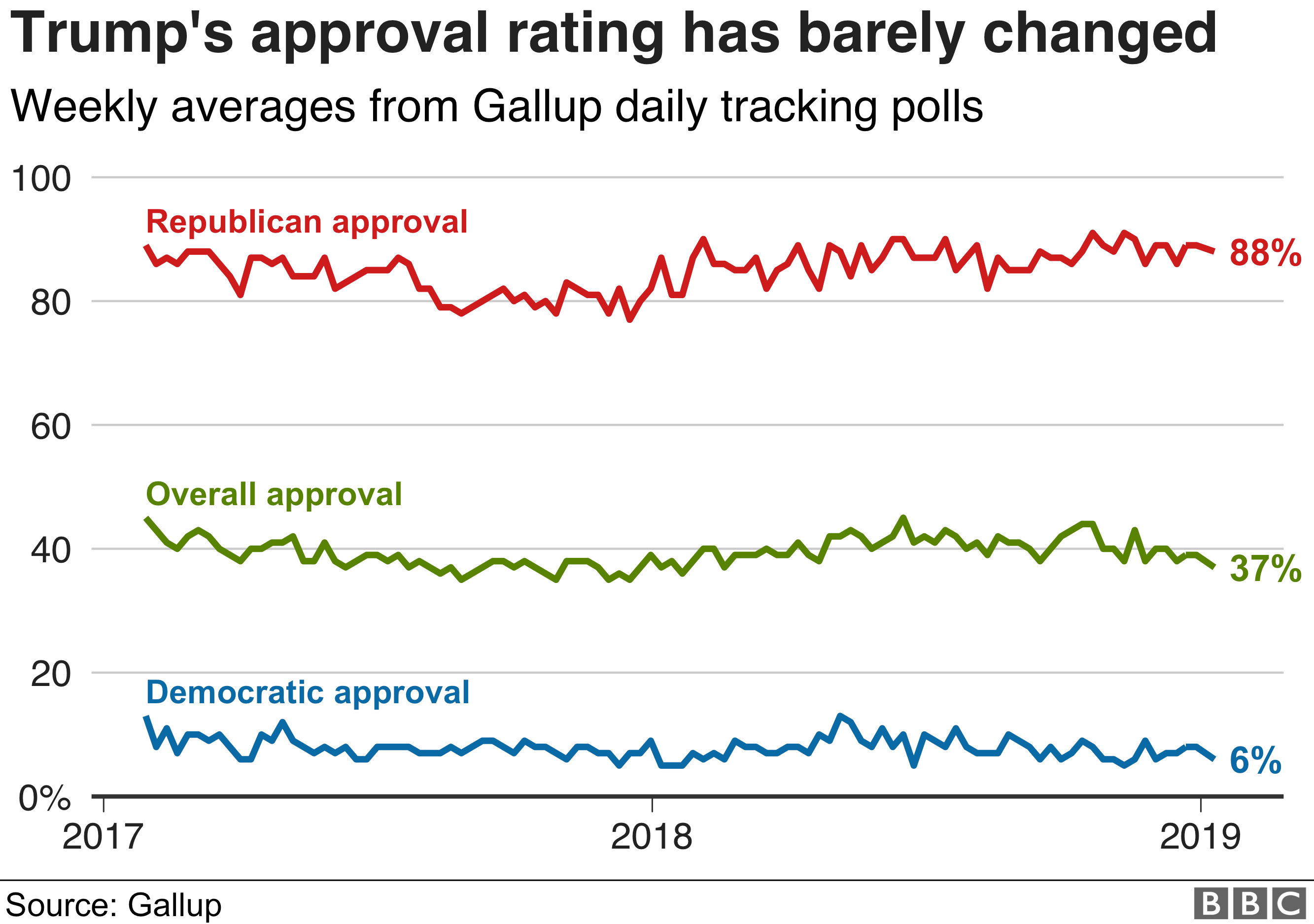
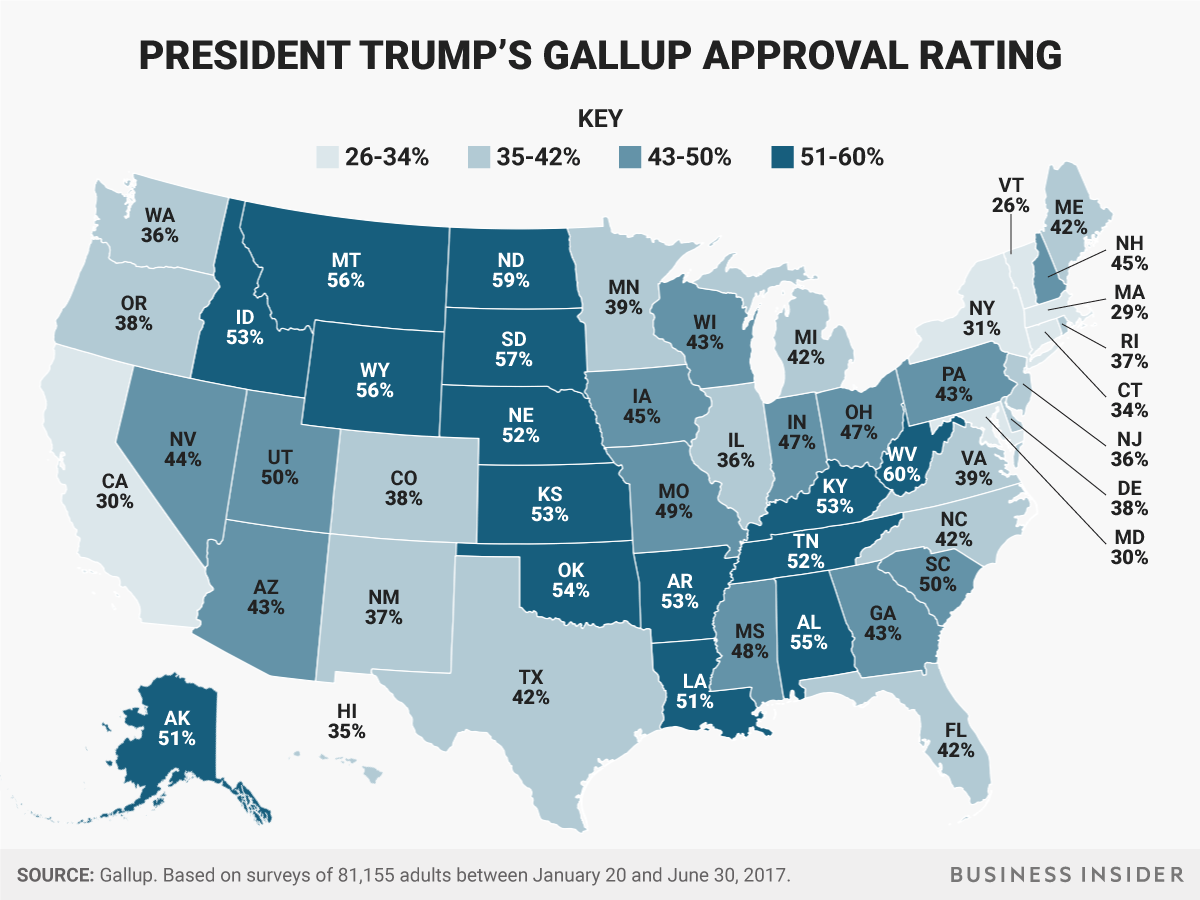
The phrase “Trump approval rating” refers to the percentage of people in opinion polls who say they approve or disapprove of President Donald Trump’s performance in office. Pollsters ask a standard question such as whether respondents approve or disapprove of the way he is handling his job, then report the results and track changes over time.
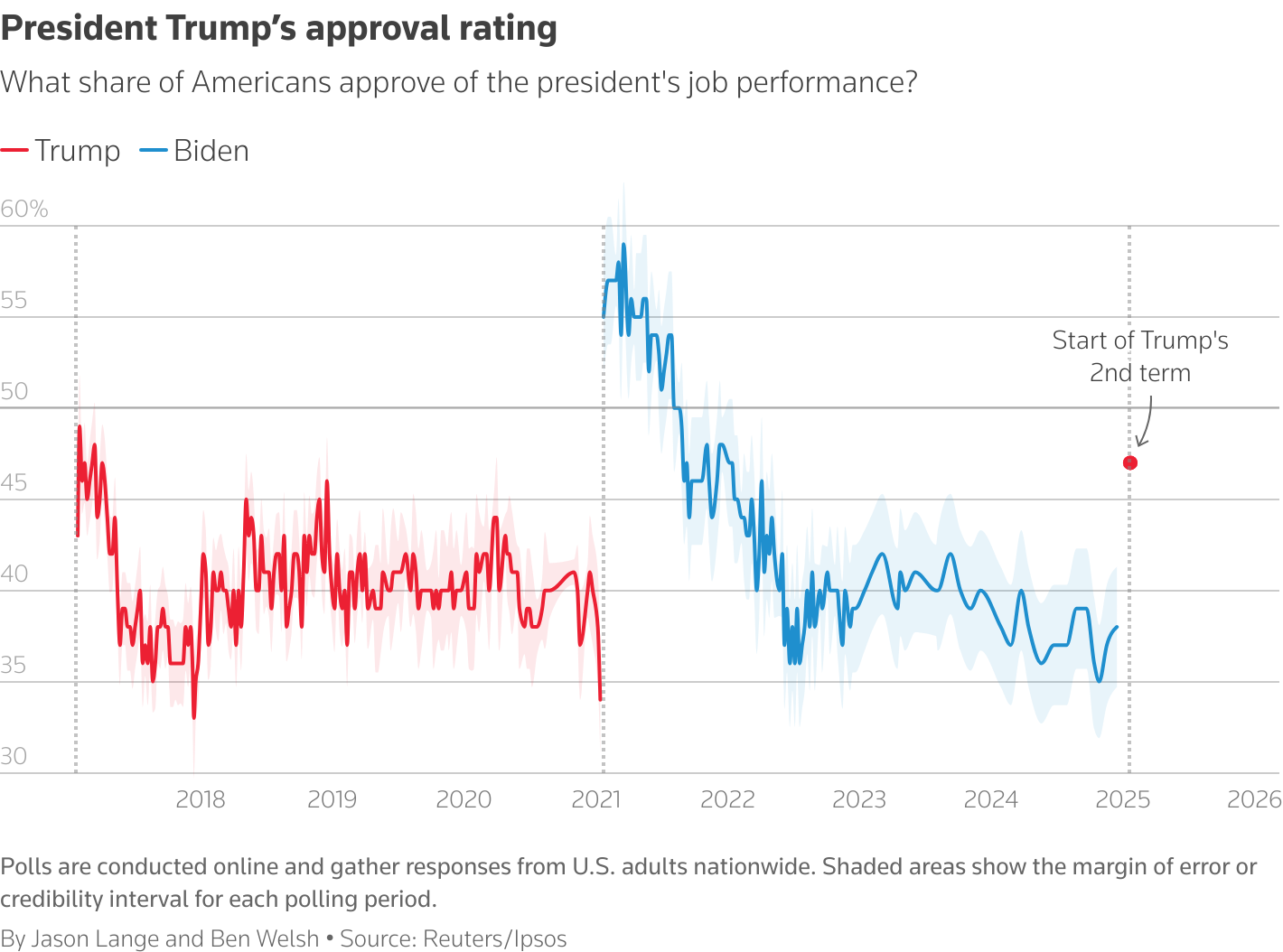
Because individual polls can vary due to methodology and sampling error, analysts often calculate polling averages to give a more stable picture of Trump’s standing. These averages, such as those maintained by Nate Silver’s Silver Bulletin, smooth out outliers and highlight broader trends rather than single-survey spikes or dips.[2]
Current Trump Approval Trend After the Shutdown
Recent polling indicates that Trump’s approval rating has ticked up slightly after a sharp drop tied to the end of the lengthy government shutdown. Silver Bulletin’s average places his net approval around -13.5, up from an even lower point in late November but still clearly negative, with more Americans disapproving than approving.[2]
Individual polls reveal both the rebound and the underlying weakness. The December Harvard CAPS/Harris poll shows Trump at 47% approval, up three points from November and close to parity with disapproval, suggesting a meaningful recovery in that series.[1] By contrast, Civiqs’ ongoing tracker shows 40% approval and 56% disapproval, underscoring that, in many samples, he remains underwater nationally.[3]
Issues Driving Trump’s Approval and Disapproval
Substantive policy perceptions are central to understanding why Trump’s approval rating looks slightly better yet remains net negative. In the Harvard CAPS/Harris poll, voters give him comparatively high marks on crime and “returning America to its values,” and they strongly support several signature initiatives, including lowering prescription drug prices and cracking down on fraud in government spending.[1] These areas help explain why his overall number in that survey has rebounded.
At the same time, economic anxiety and inflation continue to weigh on his standing. While 55% of voters in the Harvard CAPS/Harris poll say they trust Trump and Republicans more than Democrats in Congress to manage the economy, most respondents still believe he is not winning the fight against inflation.[1] Internationally, majority support for his Gaza and Ukraine policies provides a counterweight to economic frustrations, but not enough to lift his overall approval into clearly positive territory across most polling series.[1][2][3]