What Are the Cook Islands?
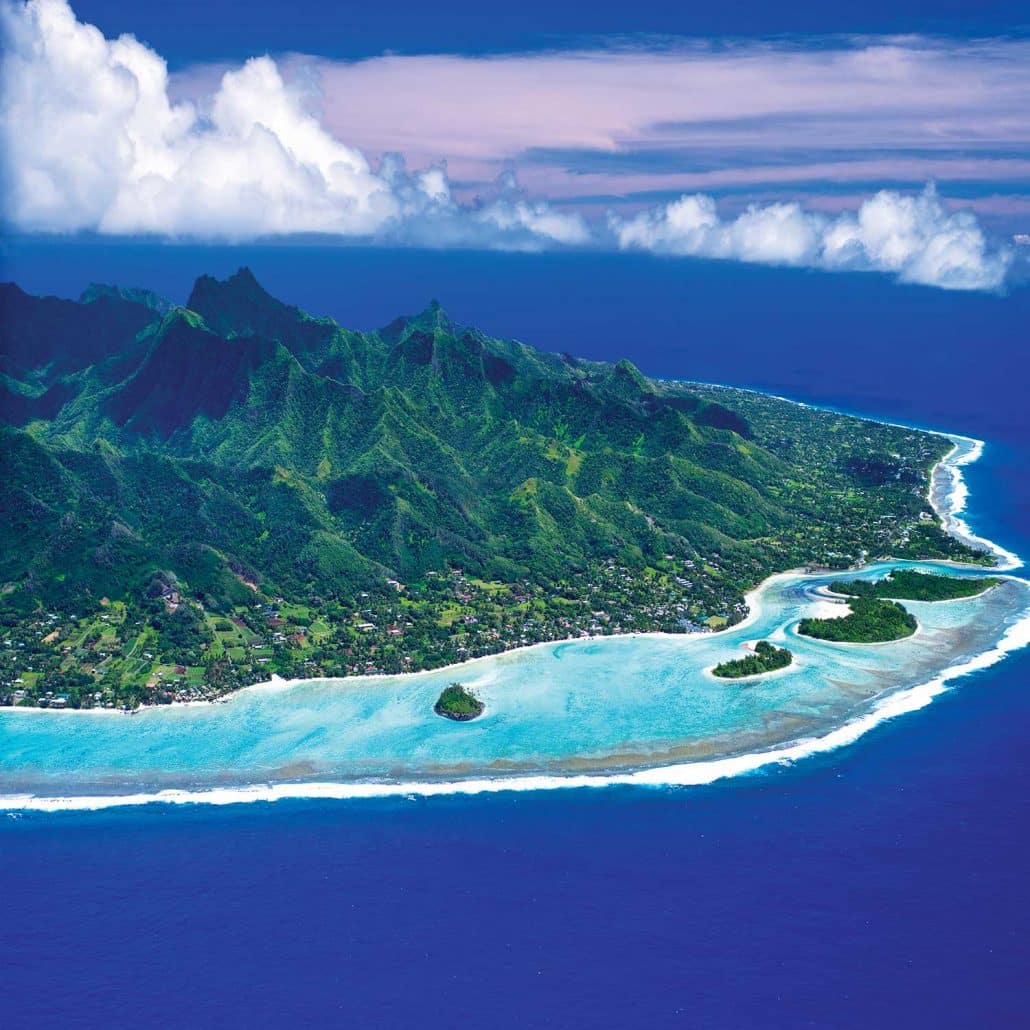
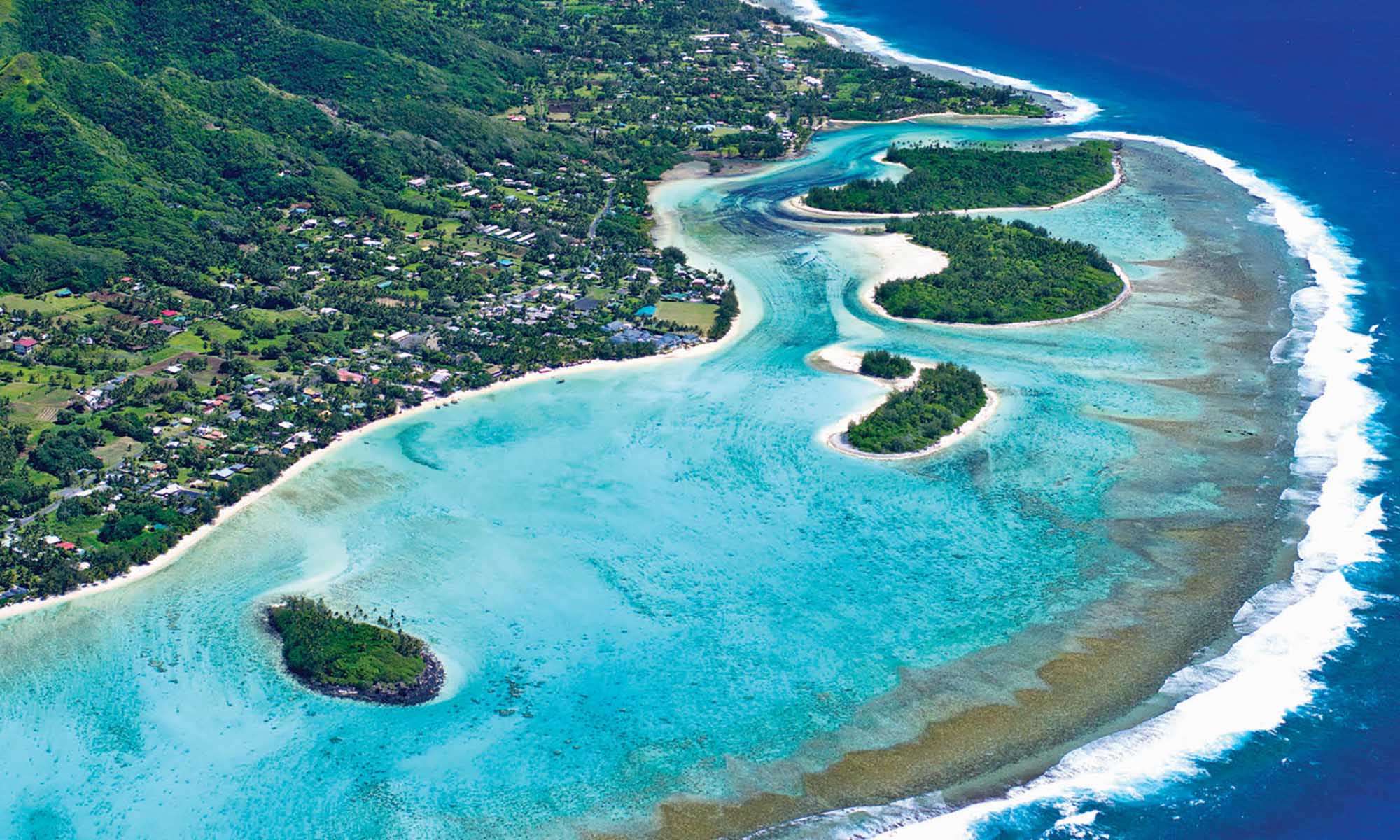
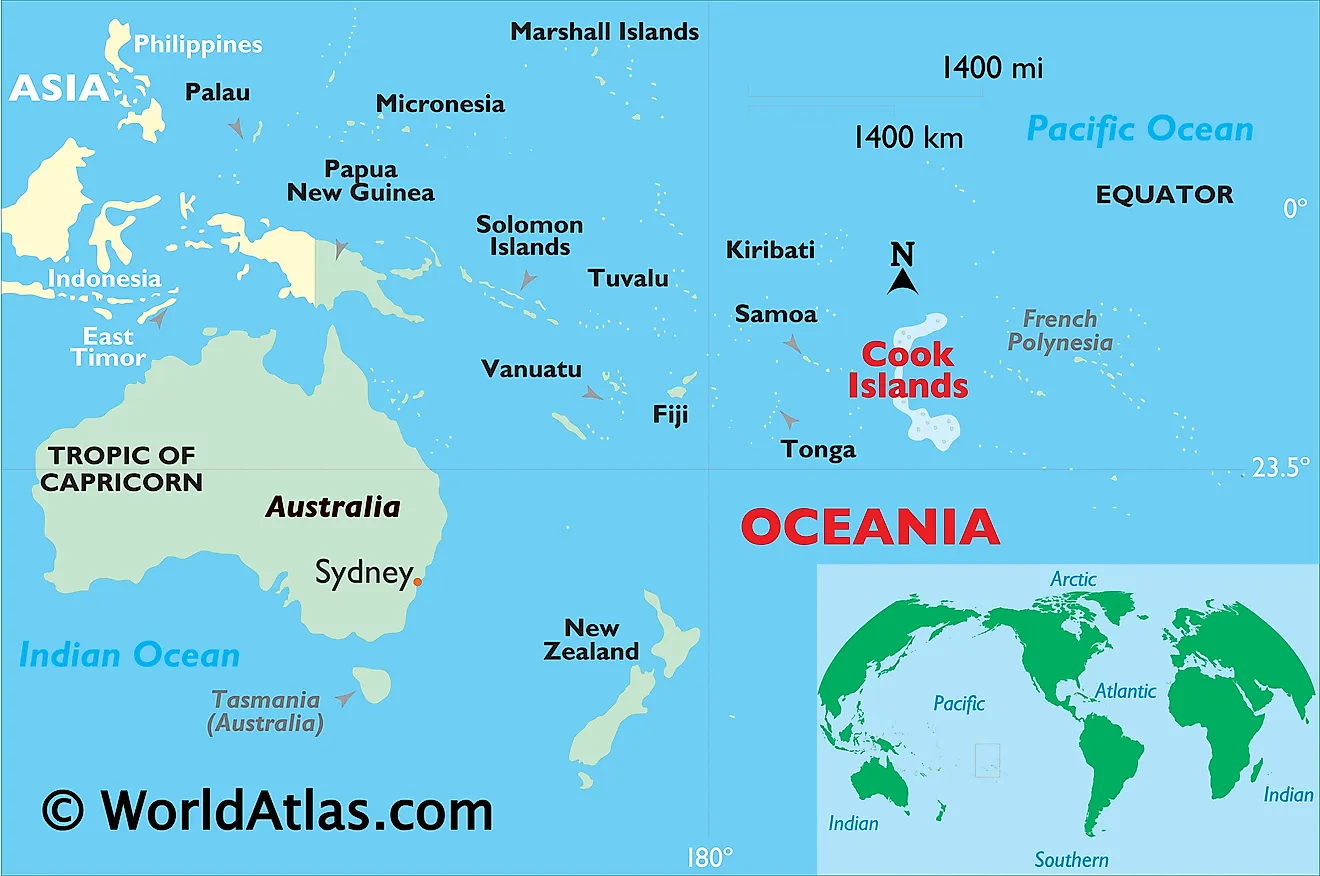
The Cook Islands are a self-governing Polynesian archipelago of 15 islands in the South Pacific Ocean, in free association with New Zealand. The main population and tourism hubs are Rarotonga, a high volcanic island with a rugged interior, and Aitutaki, famous for its expansive turquoise lagoon and sandy motu.[5][1]
Unlike many resort-heavy destinations, the Cook Islands restrict high-rise development and maintain a laid-back, village-based lifestyle. With fewer than 20,000 residents, visitors can easily interact with local Māori communities, attend church services, and experience island traditions in everyday settings rather than staged environments.[5][2]
Travel Trends and Today’s Appeal
In recent years the Cook Islands have risen in global travel rankings as a quieter, more authentic alternative to crowded Pacific resorts. Updated 2025 travel guides highlight the destination’s affordability, uncrowded beaches, and simple logistics, with regular flights linking Rarotonga to New Zealand and beyond.[1][7]
Current interest is driven by travelers seeking sustainability and space: clear lagoons for low-impact water sports, small-scale guesthouses instead of mega-resorts, and nature-based activities like cross-island hikes and reef snorkeling.[1][2] As remote work grows, some visitors are extending stays, blending workdays with sunset swims and local food markets.
Beyond Rarotonga: New Frontiers for Visitors
While Rarotonga and Aitutaki remain the best-known islands, newer itineraries and charter services are opening up more remote destinations such as Atiu, Mangaia, and the northern atolls.[2][4] These islands focus on ecotourism, cave exploration, birdwatching, and cultural immersion, appealing to travelers who want to go beyond postcard beaches.
Atiu, for example, offers jungle trails, limestone caves, and the chance to see rare birds like the kopeka in the wild, alongside locally grown coffee and community-run guesthouses.[2] Northern atolls like Penrhyn and Manihiki are highlighted for traditional crafts, black pearl farms, and vast lagoons suited to fishing and freediving, reinforcing the Cook Islands’ image as a diverse yet low-impact island destination.[2][4]