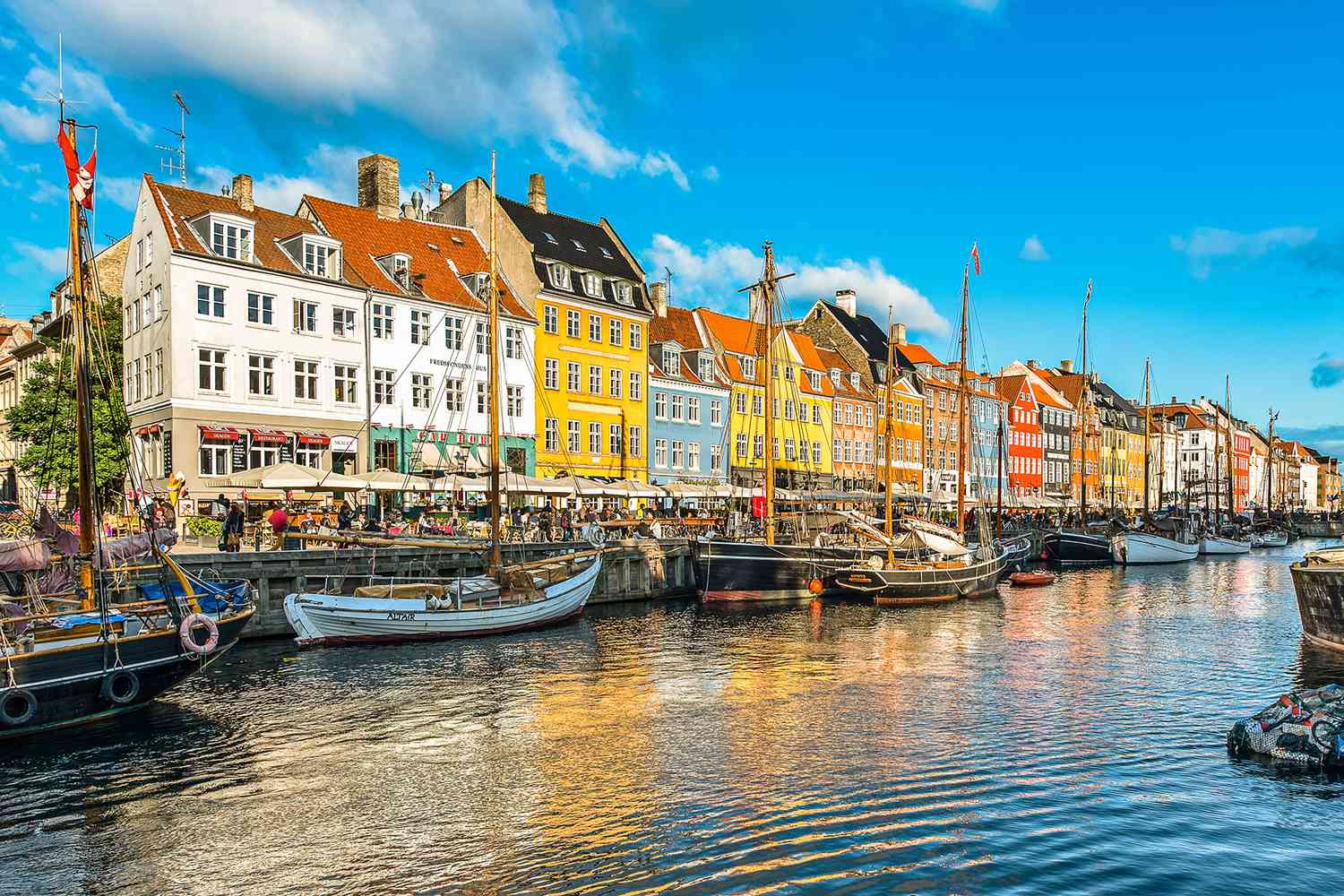
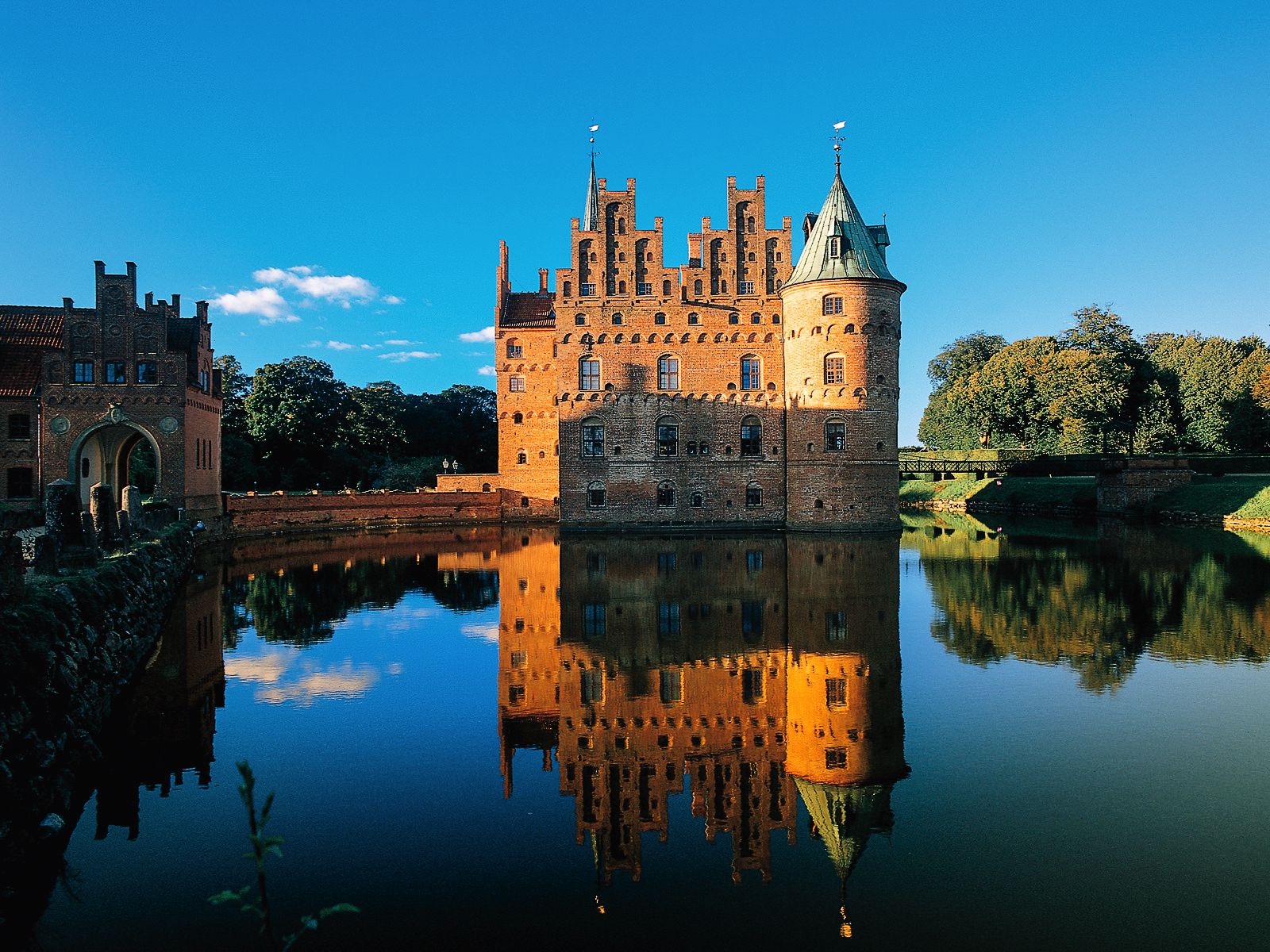

What is Denmark?
Denmark is a Nordic country in Northern Europe consisting of the Jutland peninsula and an archipelago of islands, with Copenhagen as its capital and largest city.[1][4] It forms the core of the Kingdom of Denmark, alongside the autonomous territories of Greenland and the Faroe Islands in the North Atlantic.[1][4]
The country is known for its temperate climate, flat and fertile landscapes, and long coastline, which historically supported agriculture and maritime trade.[1] Today, Denmark is a highly developed democracy with a constitutional monarchy, where the monarch is head of state and a prime minister leads a parliamentary government.[1][4]
Denmark’s Economy and Welfare State Today
Denmark has a high-income mixed economy that ranks among the world’s most competitive and economically free, driven by advanced manufacturing, pharmaceuticals, medical technology, and a large services sector.[1][6] Agriculture now makes up only a small share of output, reflecting Denmark’s shift from a farming-based society to an industrial and service-oriented one.[1][2]
The country’s modern welfare state offers universal healthcare, free higher education, and comprehensive social security, financed by relatively high taxes and substantial public spending.[1][2][5] Recent fiscal and reform plans aim to keep public finances sustainable while investing in green transition, defence, and digitalization, in line with EU-wide priorities.[3][5]
Denmark in Europe and the Green Transition
As an EU member since 1973 and part of the Schengen Area, Denmark is closely integrated into the European single market and participates in shaping EU policies on trade, climate, and digital regulation.[1][4] It retains its own currency, the Danish krone, under an agreed opt-out from the euro, but aligns economic and fiscal policies with broader European frameworks.[4]
Denmark is internationally recognized as a leader in renewable energy and climate policy, especially in wind power technology and green innovation.[1] Current national strategies and progress reports link long-term growth to sustainable energy, low emissions, and digital government, positioning Denmark as a model for countries seeking to combine climate ambition, competitiveness, and high living standards.[1][3][5]