What Is a Flood Warning?
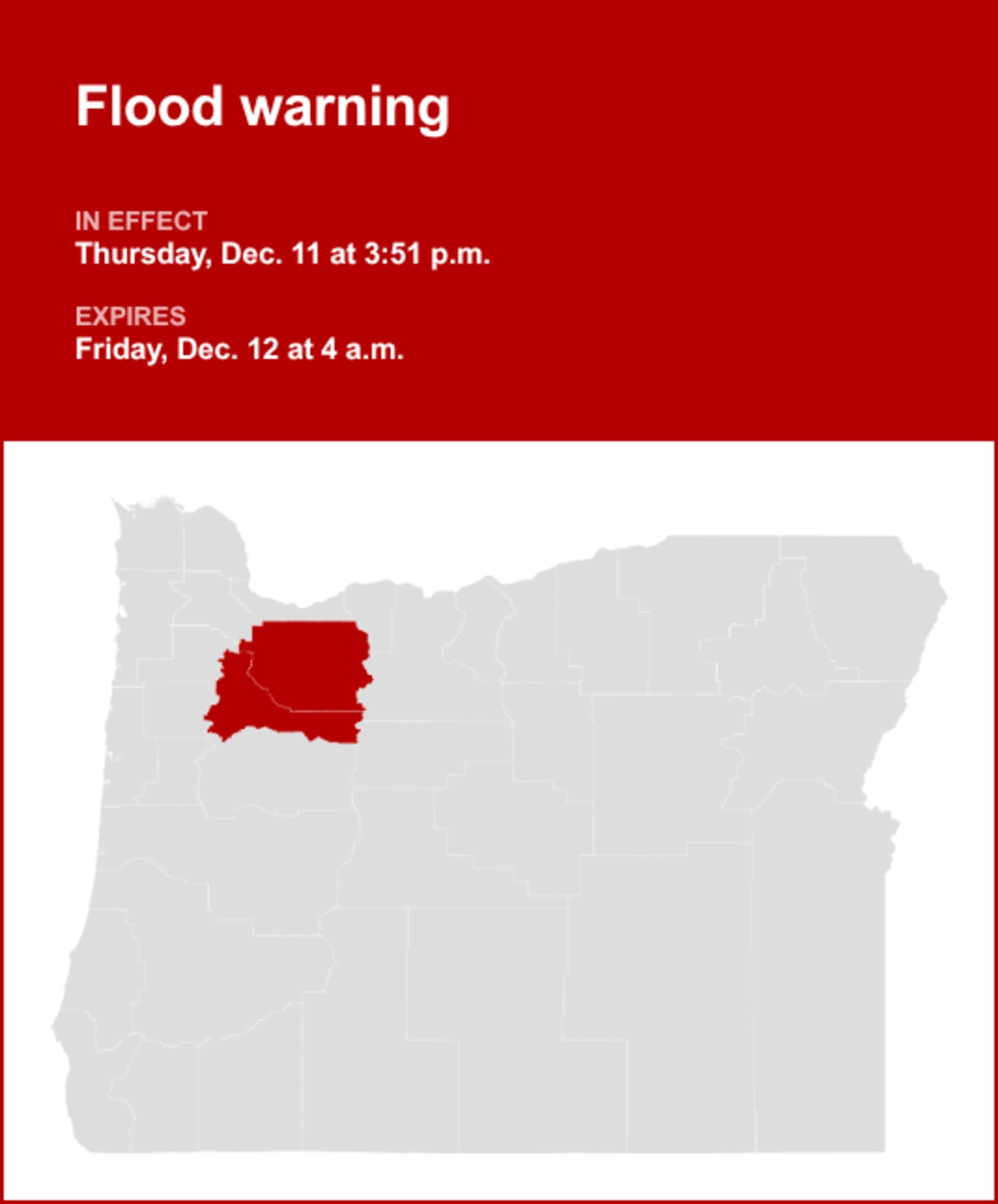
A flood warning is an official message from weather and emergency authorities that flooding is either happening now or is expected to begin very soon in a defined area. It goes beyond a general watch or outlook by signaling that water levels are high enough, or rainfall is intense enough, that flooding is a near certainty and people in the warned area must act.
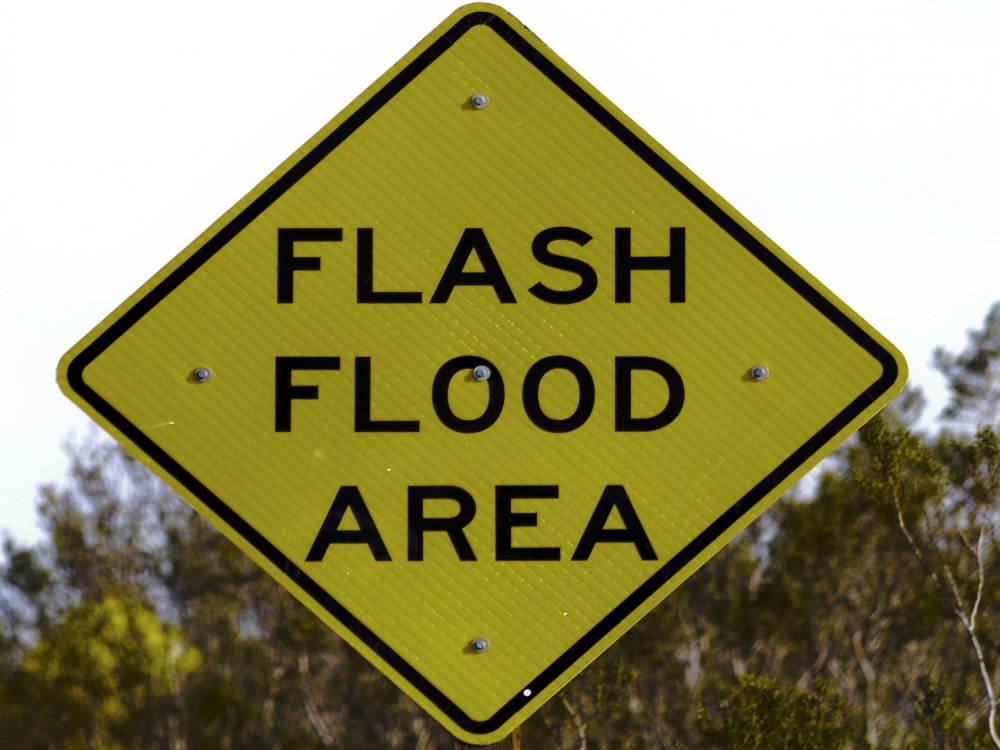
These warnings may cover river flooding, coastal flooding, flash flooding from intense rain, or urban flooding when drainage systems are overwhelmed. They are typically issued for specific rivers, watersheds, or counties and are updated or extended as conditions change.
How Flood Warnings Are Issued Today
Modern flood warnings are based on a combination of tools, including river and rainfall gauges, weather radar, satellite imagery, and hydrological models that simulate how water moves through rivers and across land. Forecasters use these data to estimate when rivers or coastal areas will exceed critical levels and then issue alerts through national and local systems.
In many regions, global and regional monitoring platforms help track flooding across multiple countries, complementing national weather service alerts. Local authorities may add community-specific information, such as which neighborhoods are at greatest risk, which roads will be closed, and whether evacuation routes are open or threatened by rising water.
Impacts and How to Respond to Flood Warnings
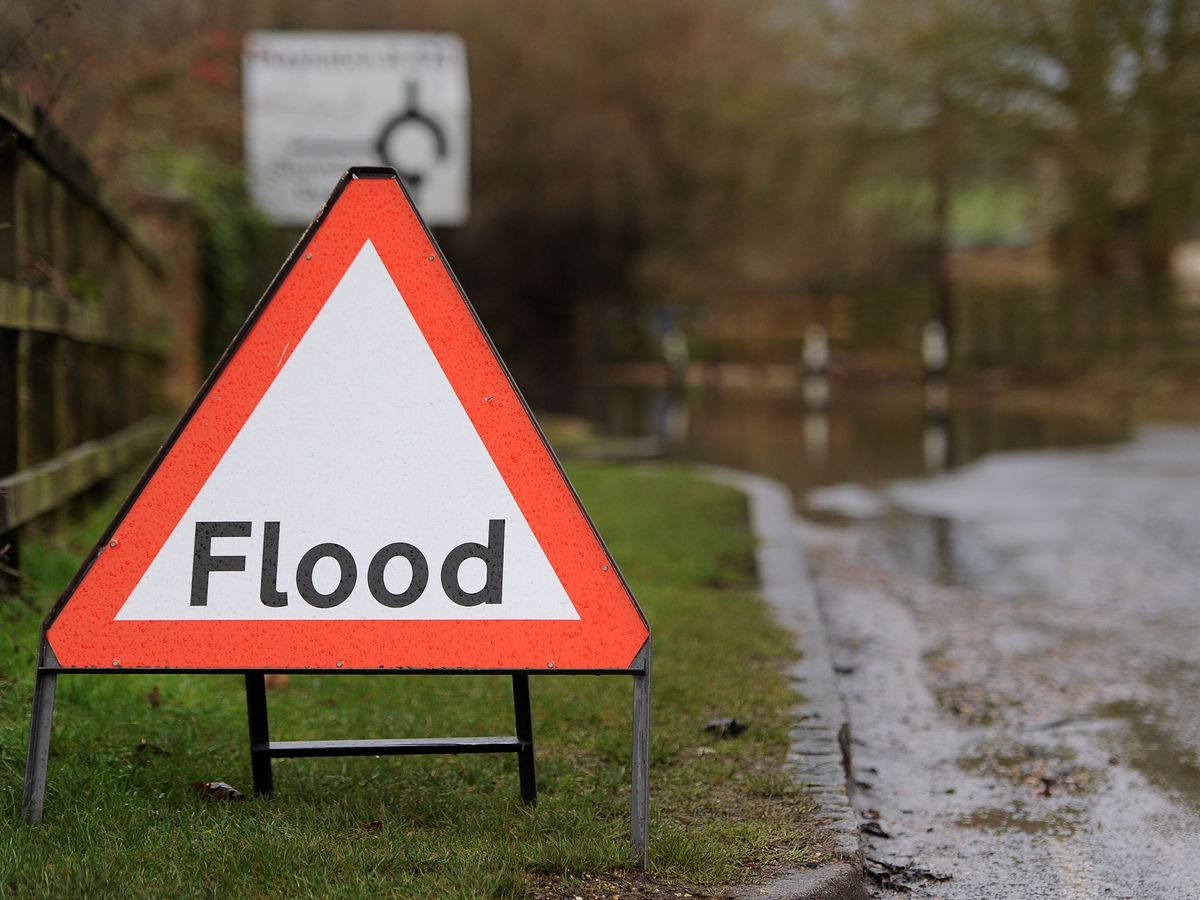
A flood warning can trigger a rapid chain of actions, from closing roads and bridges to opening emergency shelters and moving emergency crews into position. Businesses and schools may temporarily close, and residents in low-lying or riverfront areas may be asked to evacuate to higher ground or safer shelters to avoid fast-rising water.
When a flood warning is issued, individuals should avoid driving through or walking in flooded areas, follow instructions from local officials, and stay tuned to official channels for updates and changes to the warning area. Preparing an emergency kit, identifying safe routes ahead of time, and knowing local flood-prone locations can make it easier to act quickly and safely when a warning is announced.