What Is JFK Airport?
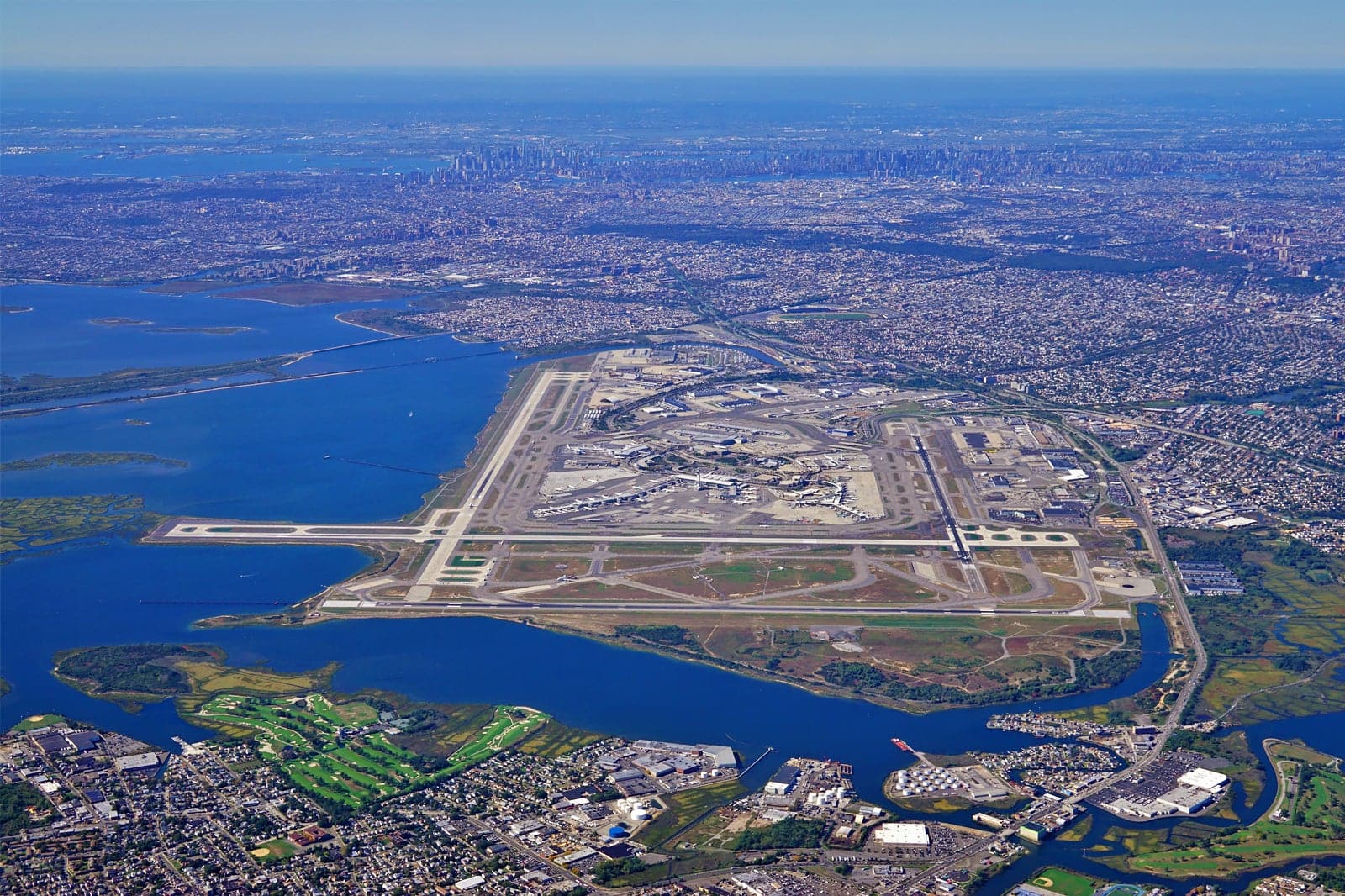
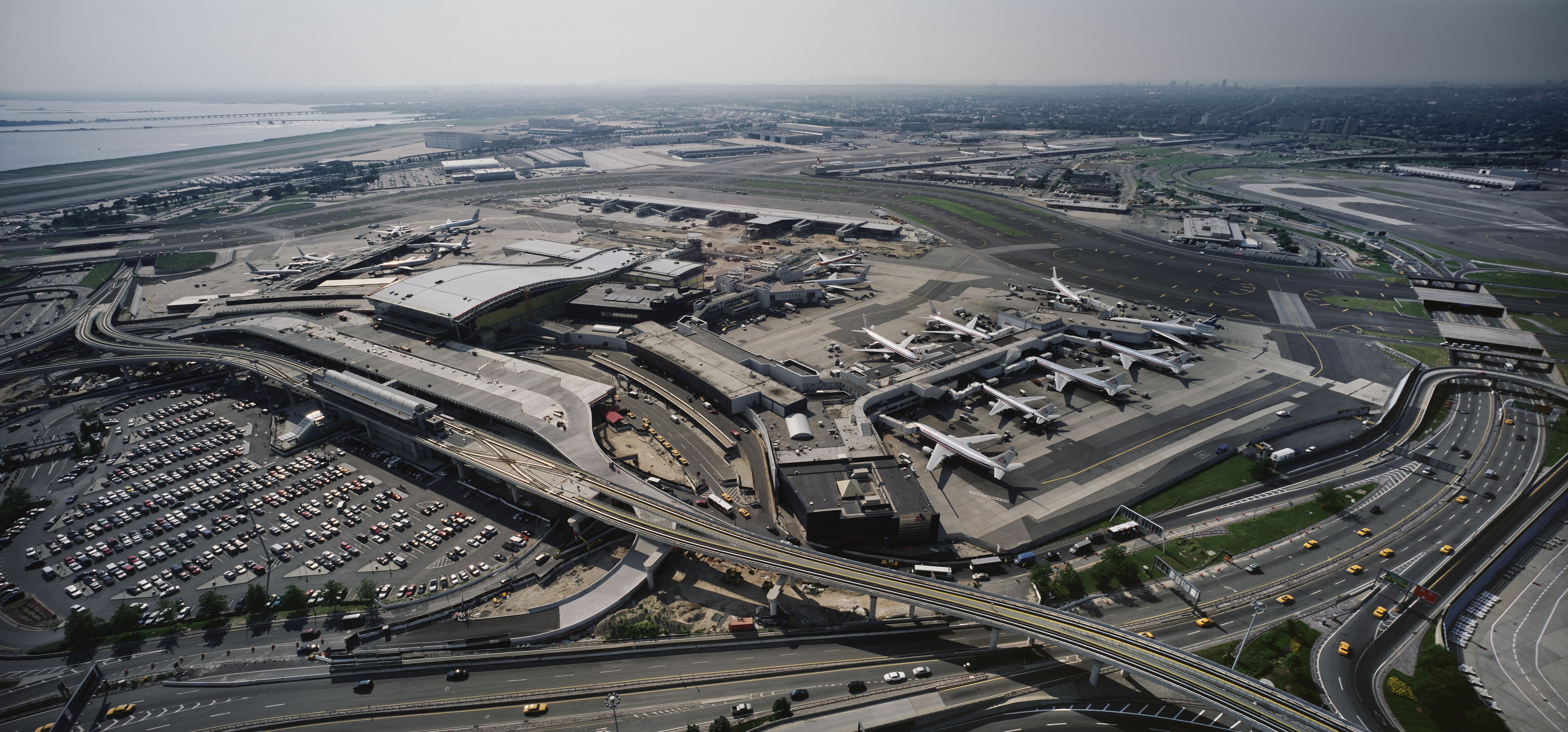
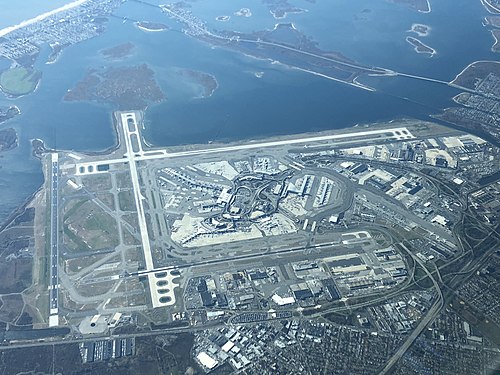
John F. Kennedy International Airport (JFK) is a major U.S. and global air hub located in Queens, New York City, serving as one of the country’s busiest international gateways for passenger and cargo traffic.[2] It connects New York with destinations across North America, Europe, Asia, Latin America, and beyond, supporting significant regional employment and economic activity.[2]
The airport is operated by the Port Authority of New York and New Jersey and features multiple passenger terminals plus extensive cargo, maintenance, and support facilities.[1][2] JFK’s role as a global gateway has led to large-scale investment to ensure it can handle growing demand and meet modern expectations for service, efficiency, and passenger comfort.[1][2]
JFK’s $19 Billion Renovation and New Terminals
JFK is undergoing a $19 billion redevelopment program that includes two major new terminals, the modernization and expansion of existing terminals, and wide-ranging infrastructure upgrades.[1][2] The New Terminal One, a $9.5 billion all-international facility on the south side of the airport, will become JFK’s largest terminal, with 23 gates and 2.6 million square feet of space when fully complete, opening in phases beginning in 2026.[1][3]
On the north side, the new Terminal 6 will replace the former Terminal 6 and 7 sites, delivering about 1.2 million square feet of modern space and 10 new gates with bright, open designs and advanced technology.[1][2] Terminal 4 has already seen significant upgrades, including new aircraft parking positions, an expanded terminal footprint, an updated check-in hall, additional baggage claim capacity, and refreshed gate and restroom areas aimed at improving the overall passenger experience.[1][2]
Access, Amenities, and Travel Impacts
The redevelopment also features a complete redesign of JFK’s roadway network, supported by approximately $3.9 billion in infrastructure funding for simplified routes, better frontage areas, and a new ground transportation center.[1][2] During construction, travelers may encounter detours and changed terminal access patterns, and official advisories encourage the use of mass transit and early arrival to navigate potential congestion and lane closures.[5][6]
At the same time, airlines and partners are investing in enhanced amenities, including new and improved lounges, expanded dining and retail, and a stronger focus on local New York art and culture throughout the terminals.[1][2][3][4] JetBlue’s introduction of its BlueHouse lounge concept at JFK is part of this broader push to offer more comfortable, connected spaces for passengers to work or relax before flights.[4] Over the coming years, these combined changes are expected to yield a more efficient, user-friendly, and distinctly New York travel experience at JFK.[1][2][3][4]