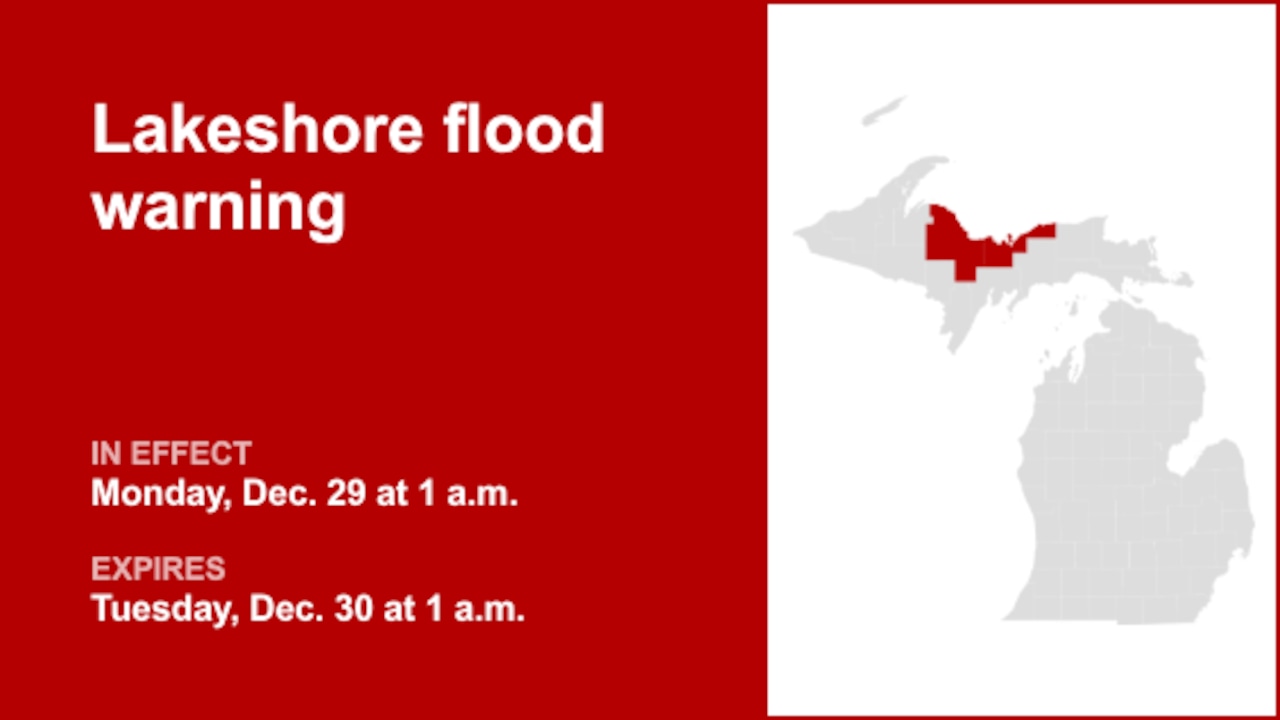
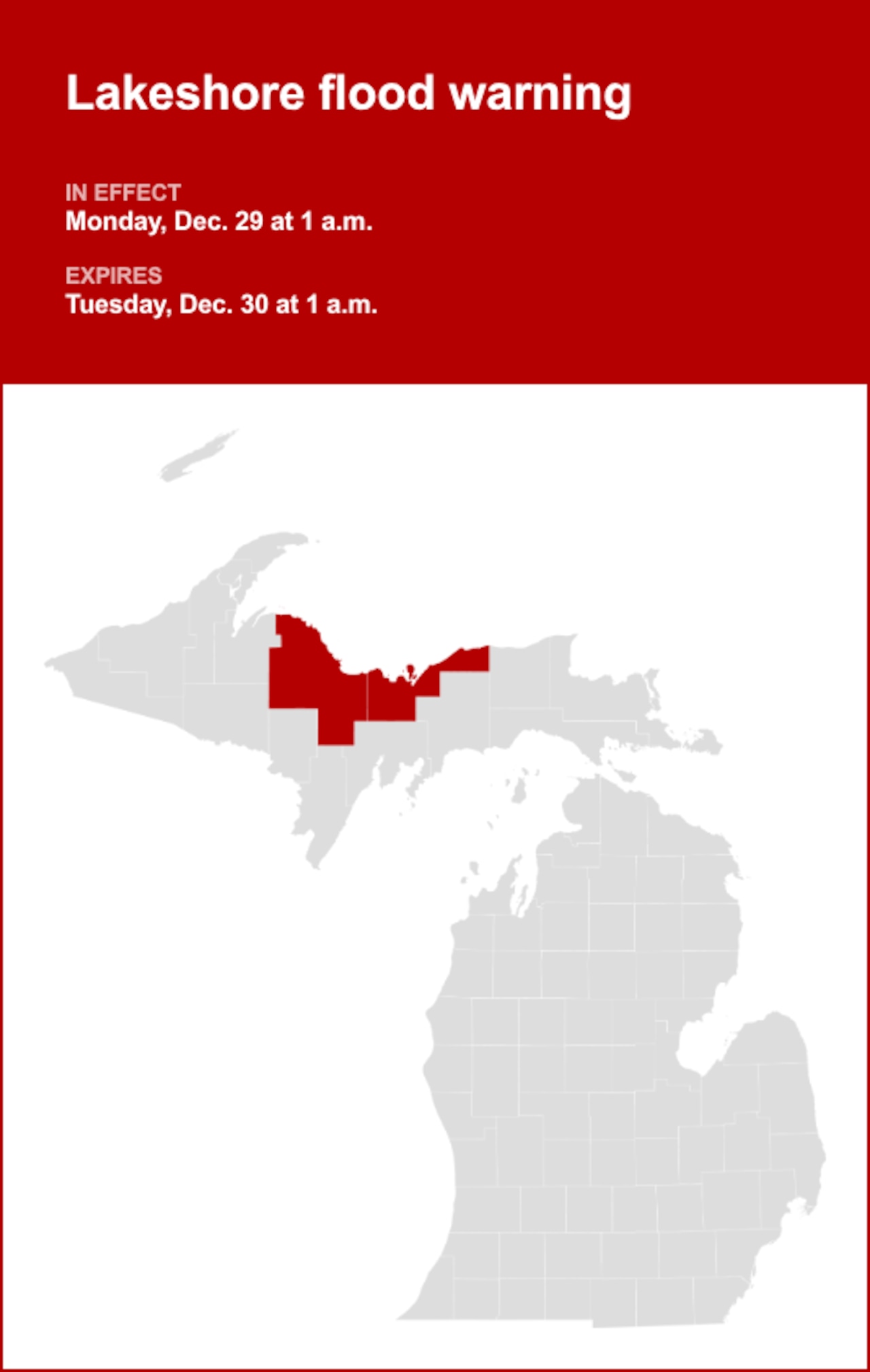
What is a lakeshore flood warning?
A lakeshore flood warning is an official alert from the National Weather Service issued when dangerous flooding and wave action are expected along the shores of large lakes.[2] It focuses on hazards driven by lake water, including rapidly rising shoreline levels, wave damage, and seiche-related surges, rather than river or creek flooding.[1][2]
These warnings are most common around the Great Lakes, where strong storms and persistent winds can push water toward one end of a lake and inundate low-lying coastal areas within hours.[1] When a warning is posted, it signals that hazardous conditions are imminent or ongoing and that people near the shoreline should take immediate protective actions.[1][2]
Today’s weather drivers and risk areas
Today’s lakeshore flood concerns arise from a strong storm system producing powerful westerly and southwesterly winds over the Great Lakes region.[1] These winds are expected to pile water up along eastern and downwind shores, causing rapid increases in lake levels and enhancing the potential for lakeshore flooding, especially in bays, harbors, and narrow inlets.[1]
In regions such as western New York and other eastern Great Lakes shorelines, forecasters have highlighted the potential for significant lakeshore flooding where the shoreline is directly exposed to the longest wind fetch.[1] The same system is also bringing heavy rain, falling temperatures, and lake-effect snow to nearby inland areas, creating a complex mix of inland flooding, coastal flooding, and winter travel hazards within a relatively short time frame.[1][4]
Impacts on communities and how to stay safe
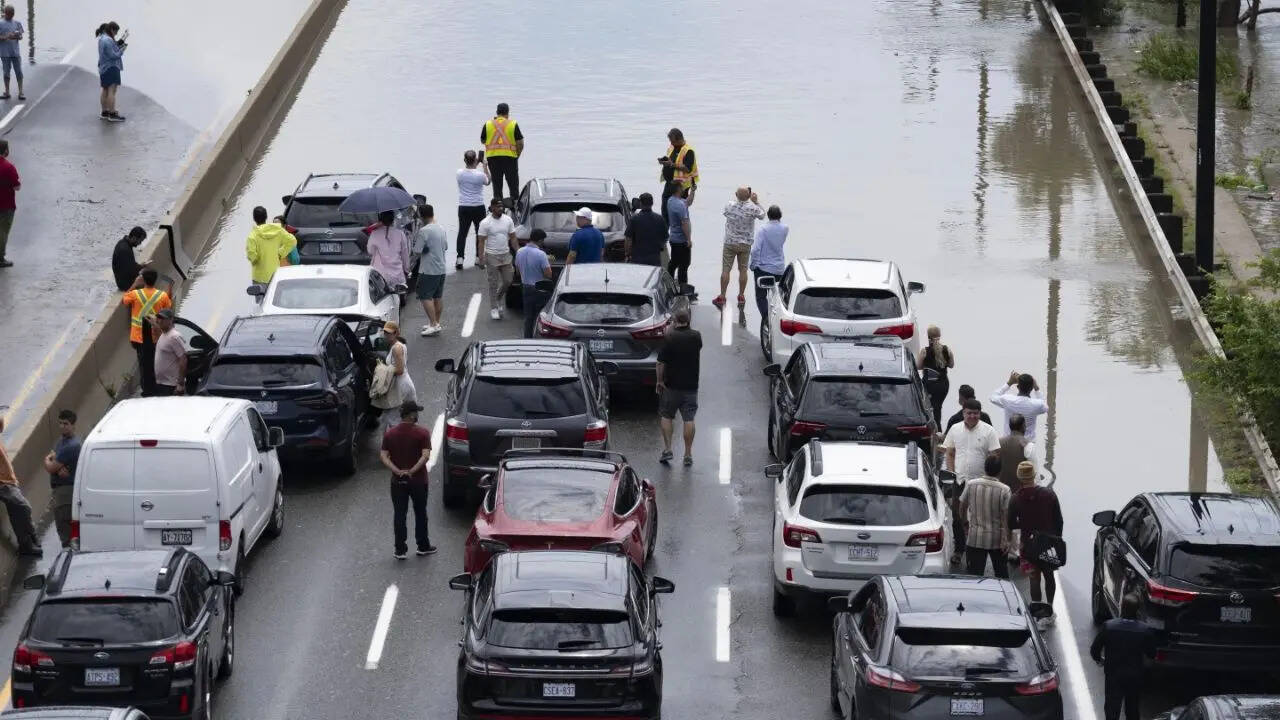
Lakeshore flood warnings often precede flooding of lakeside roads, parking areas, and low-lying neighborhoods, as well as damage to docks, marinas, and shoreline protections from pounding waves.[1][2] High winds can exacerbate these problems by driving large waves ashore, eroding beaches and bluffs, and occasionally damaging lakeside infrastructure such as piers and breakwalls.[1]
Safety experts urge residents and travelers to avoid flooded and wave-swept areas, never drive through water-covered roads, and move vehicles and valuables out of known flood-prone lakeshore zones.[1][2] Staying tuned to National Weather Service alerts and local officials’ guidance, securing loose outdoor items, and postponing waterfront recreation or boating during the peak of the event are key steps to reducing risk while the lakeshore flood warning is in effect.[1][2]