
Details of the Tyson Plant Shutdown
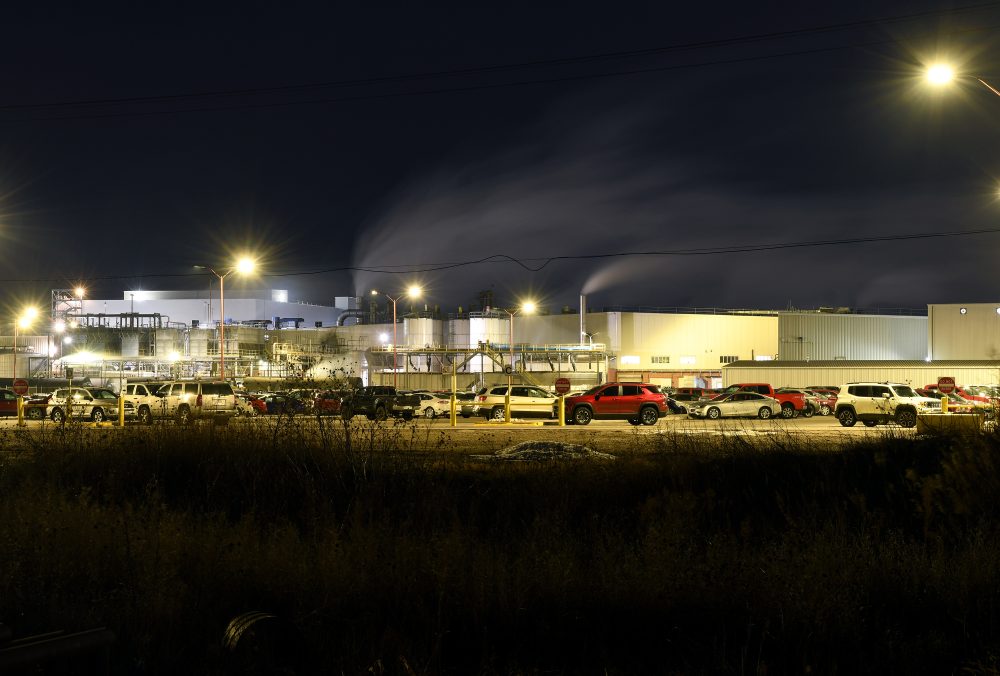
Tyson Foods' announcement on November 21, 2025, targets network efficiency. The company will end operations at the Lexington facility and adjust its Amarillo, Texas, plant to a single full-capacity shift.
Employing about 3,000, the plant processes tens of millions of cattle annually. Tyson commits to supporting workers with job placement at other facilities and relocation benefits, though no exact closure date beyond 'early next year' was specified.
Industry experts note Tyson's evaluation of system-wide efficiency, influenced by heavier carcass weights offsetting a 6-7% smaller cattle herd, maintaining beef output with 1-2% less volume.
Economic and Community Fallout
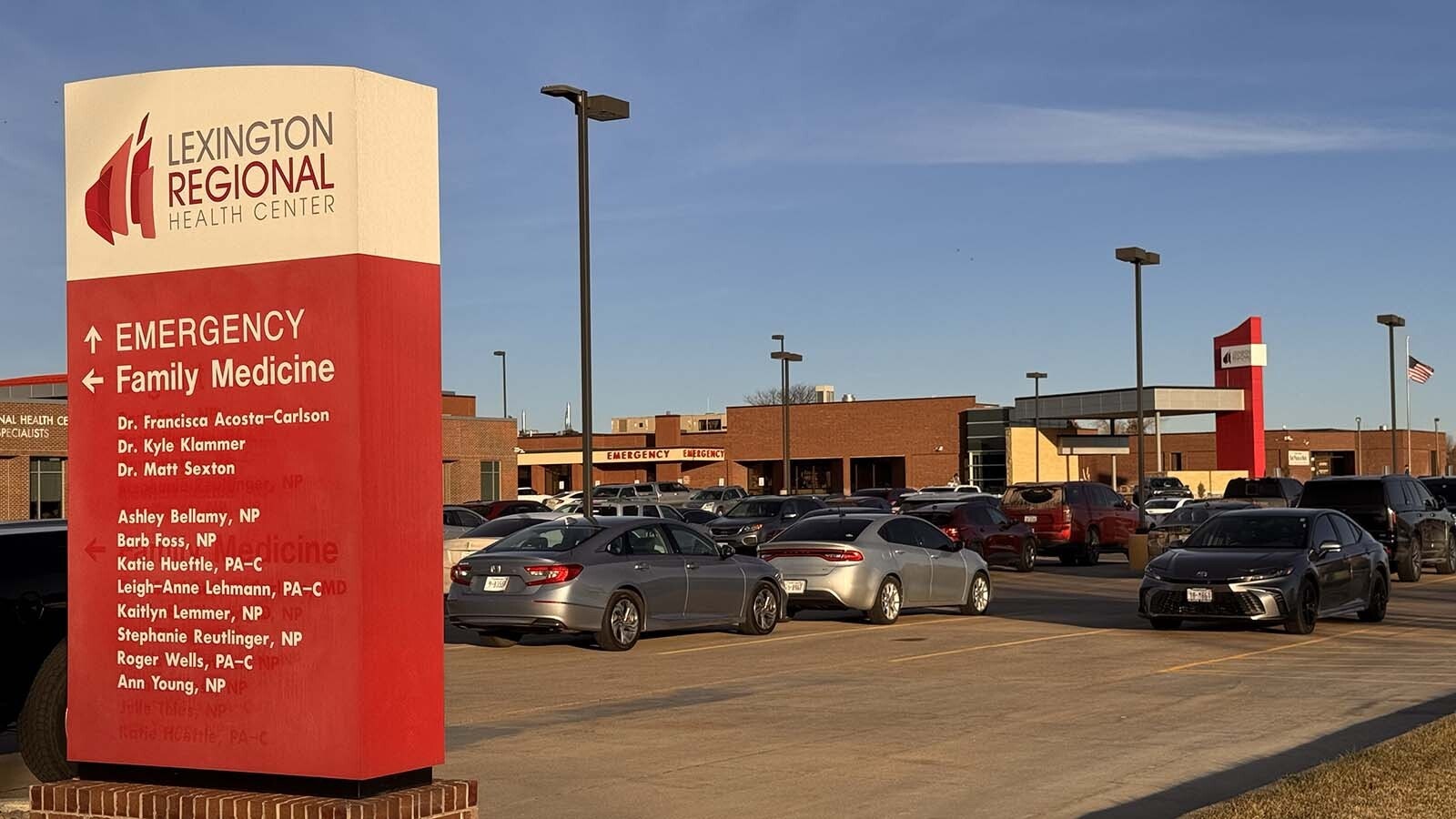
The shutdown shocks Lexington, a town transformed by the plant since 1990. With 3,000 jobs vanishing—about 15-20% of the workforce—the local economy faces severe strain, from housing to retail.
Local leaders describe it as a 'gut punch', threatening to unravel the community's fabric. Cattle producers, who shipped high-quality animals to the plant, now seek alternatives like Creek Stone while eyeing grid premiums.
As December 2025 unfolds, anticipation turns to action. Producers adapt to capacity loss, but strong demand sustains the industry amid heavier cattle weights.
Lexington's History and Resilience
Founded earlier but booming with the plant's arrival, Lexington thrives on agriculture and meatpacking. Its diverse population reflects immigrant workers drawn to steady jobs.
Despite challenges like low cattle herds, Nebraska's beef sector shows resilience. Experts predict minimal overall production dips due to efficiency gains elsewhere.
Looking ahead, Tyson optimizes its network for long-term success, but Lexington must pivot to mitigate the blow from this seismic shift.