
Marseille at a Glance
Marseille is a major Mediterranean port in southern France, founded by Greek settlers and now recognized as the country’s second-largest city. Its identity is shaped by centuries of trade, migration, and maritime culture centered on the Old Port and surrounding districts.[4][5]
In the past decade, extensive regeneration and cultural investment have shifted Marseille’s image from rough port to dynamic city-break destination. New museums, revitalized waterfronts, and better transport links now draw international travelers, cruise passengers, and creatives looking for an alternative to more traditional French Riviera resorts.[1][5][9]
Key Places and Cultural Highlights
The Vieux-Port remains the city’s social and economic heart, with fishing boats, ferries, and pleasure craft all operating from the same historic harbor. Visitors can watch the fish market, stroll the quays, and use the port as a launch point for boat trips to the Frioul Islands and the Château d’If fortress.[1][3][5]
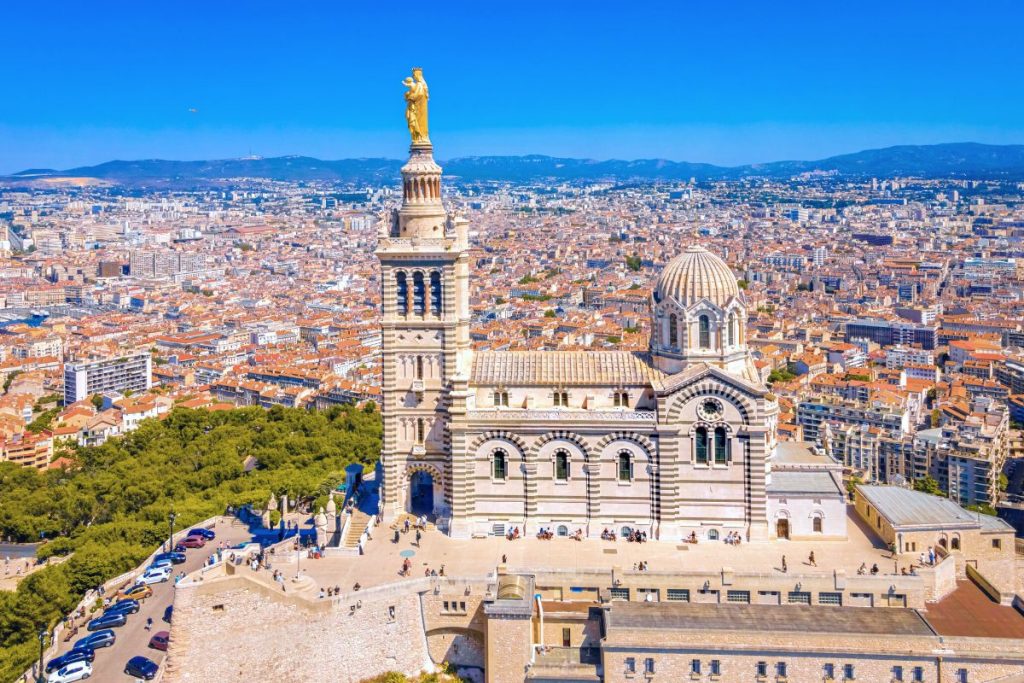
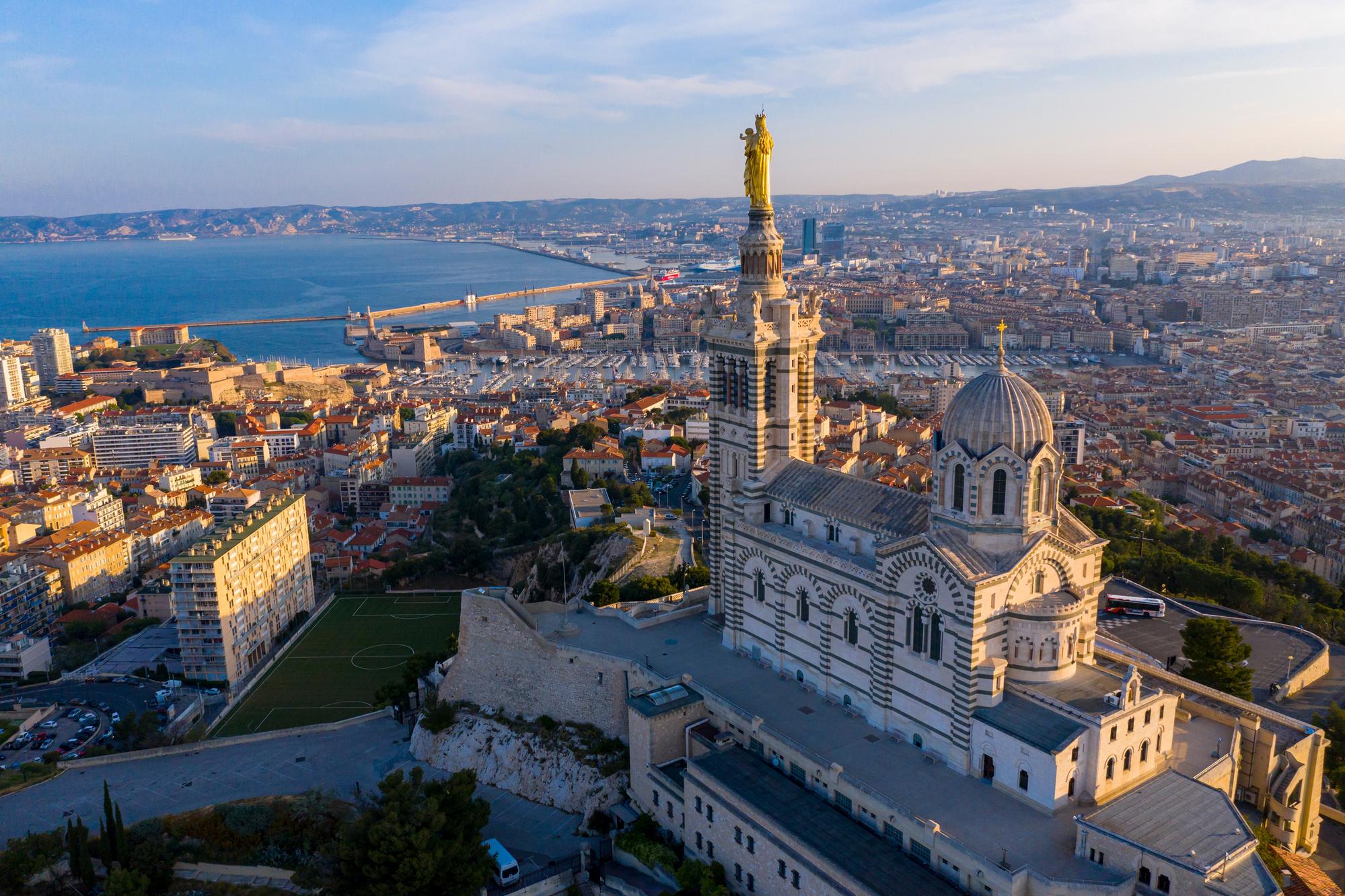
Above the harbor, Notre-Dame de la Garde basilica provides some of the best views in Marseille and is included in most city itineraries.[1][4] Nearby neighborhoods such as Le Panier offer narrow streets, murals, and small boutiques, underlining how everyday urban life, street art, and tourism now intersect in the historic core.[3][4][9]
Modern Marseille and the Calanques
Modern architecture and museums play a central role in Marseille’s current appeal, particularly MuCEM and the restored Fort Saint-Jean, which are linked by a pedestrian bridge over the water.[1][2][3] The Palais Longchamp, with its Baroque-style colonnades, fountain, and twin museums, anchors a greener, more relaxed side of the city where residents picnic and families explore free exhibitions.[2][5][6]
Just outside the urban center, the Calanques National Park has become a major draw for hikers, swimmers, and climbers, thanks to its dramatic cliffs and clear coves.[6][7] Managed access and conservation measures reflect growing awareness of environmental pressures, as Marseille works to welcome more visitors while protecting its fragile coastal landscapes.[7][9]