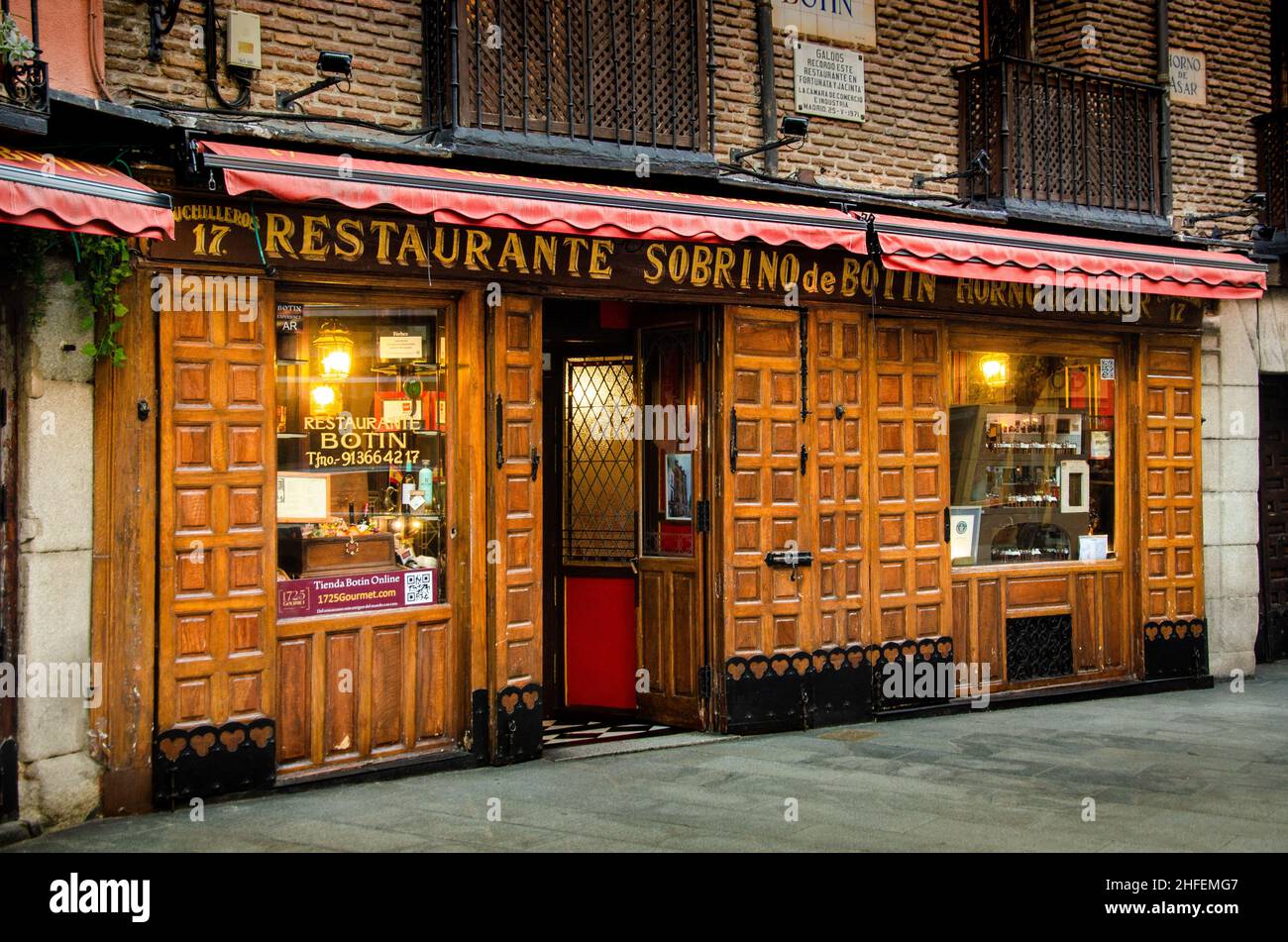
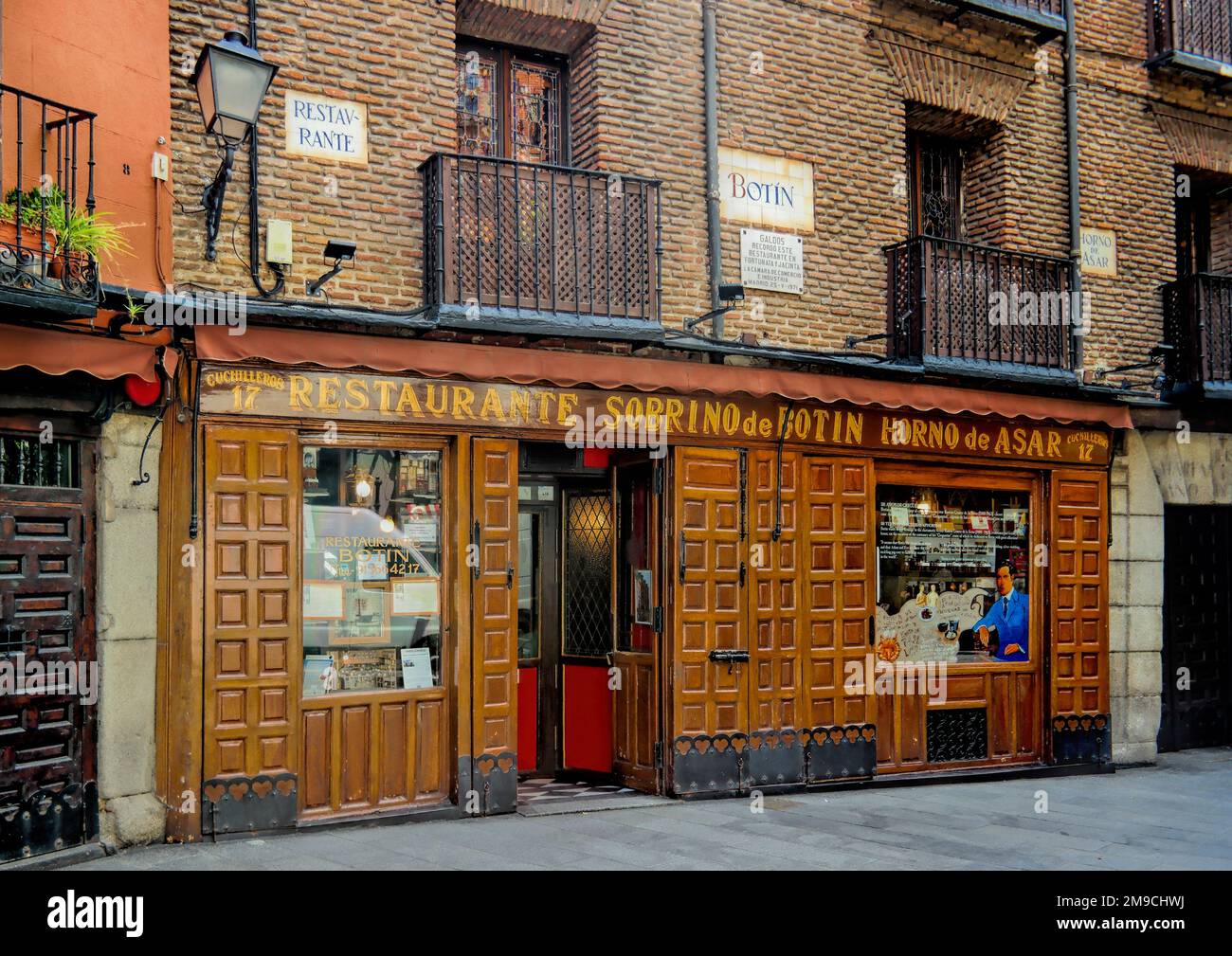
A 300-Year Legacy of Tradition
Founded in 1725, Sobrino de Botín—originally named after its French founder—began as an inn near Plaza Mayor. The González family has owned it since 1930, maintaining the original wood-fired oven that never stops burning, used for signature dishes like roast suckling pig (cochinillo asado). This oven, the restaurant's 'soul,' has cooked countless meals, symbolizing unbroken continuity into 2025.
The building retains historic features, including the 1725 inscription on its original door and period decor across floors once used for staff quarters. Famous patrons, from royalty to celebrities, have dined here, adding to its allure. In 2025, its 300th anniversary celebrations emphasize resilience, drawing renewed global attention post-pandemic.
Botín's commitment to Castilian recipes, like garlic soup, baby squid in ink, and Tarta Botín dessert, preserves Madrid's culinary heritage. This focus on authenticity impacts modern gastronomy, inspiring restaurants worldwide to honor tradition amid contemporary trends.
Iconic Dishes and Dining Experience
Botín's menu highlights timeless flavors: the melt-in-your-mouth lechazo (roast baby lamb), spicy callos a la madrileña tripe stew, and scrambled eggs with morcilla. Prepared in the ancient oven, these dishes maintain recipes unchanged for centuries, offering diners a taste of 18th-century Spain.
The multi-level layout enhances the experience—the intimate basement with its wine cellar, original second-floor dining room for walk-ins, and private upper spaces. Visitors in 2025 report divine meals, blending history with hospitality, as the restaurant accommodates diverse groups while upholding family-run operations.
This setup not only sustains Botín's operations but boosts Madrid's tourism economy, with its fame attracting food enthusiasts globally and reinforcing Spanish cuisine's international prestige.
Rival Claims Challenge the Record
Despite its Guinness title since 1987, Botín faces 2025 challenges from Madrid's Casa Pedro, claiming operation since 1702 across 10 generations. Proving this requires navigating lost Civil War documents, intensifying local rivalries.
Rome's La Campana, potentially over 500 years old, also eyes the record with submitted paperwork. These disputes highlight definitional debates—what constitutes a 'restaurant' versus inn—yet Botín's verified continuity strengthens its position.
Amid rivalries, Botín's 300-year mark in 2025 amplifies its impact, promoting cultural preservation and drawing crowds. Its story inspires the hospitality industry to value heritage, ensuring longevity in a fast-changing world.