
What Is Snoqualmie Pass and Why It Matters
Snoqualmie Pass is a high mountain pass on Interstate 90 in Washington State, carrying one of the state’s most important east–west highway links over the Cascade Range between the Seattle metro area and Central and Eastern Washington. This corridor handles significant commuter, freight, and recreational traffic year-round, especially during the winter ski season.
Because it is one of the few all-season highway routes over the Cascades, disruptions at Snoqualmie Pass have outsized impacts on travel times, supply chains, and access to mountain destinations such as The Summit at Snoqualmie. Conditions on this stretch of I-90 often determine whether cross-Cascade trips are feasible during major winter storms.
Current Road and Weather Conditions on I-90
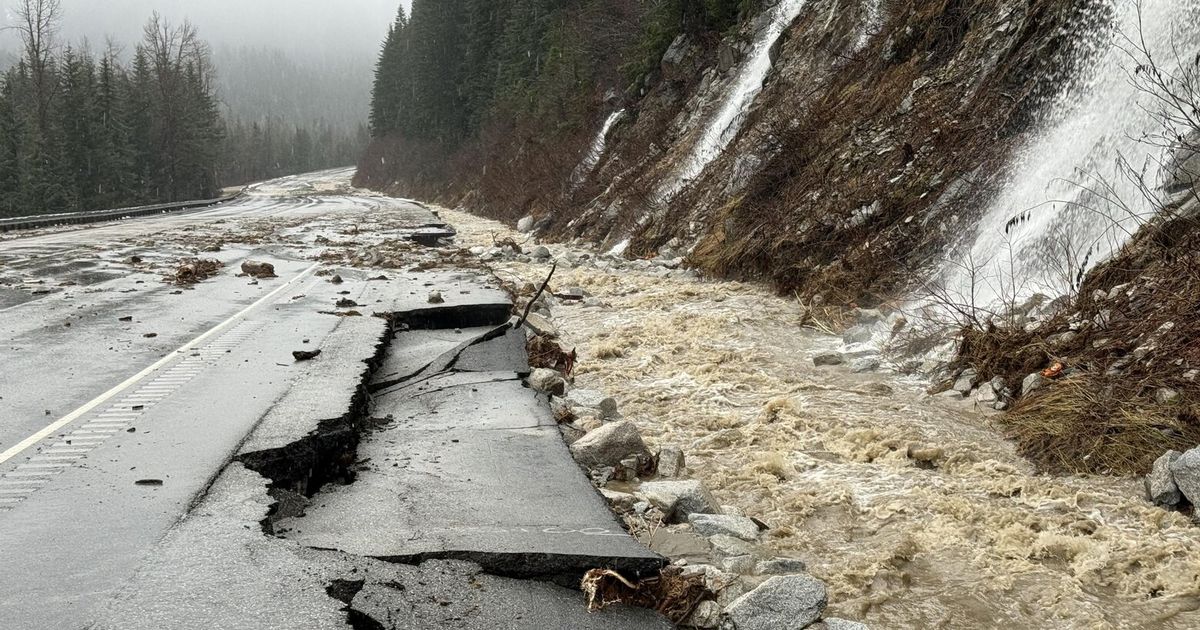
A recent series of strong Pacific storms brought heavy rainfall to lowlands and snow to the higher elevations around Snoqualmie Pass, leading to slope instability and roadway damage. Eastbound I-90 near milepost 36, between North Bend and the pass summit, currently has two right lanes closed after a hillside slide and erosion beneath the roadway, with only the left two lanes open while crews assess and stabilize the slope for safety.[2][1][3]
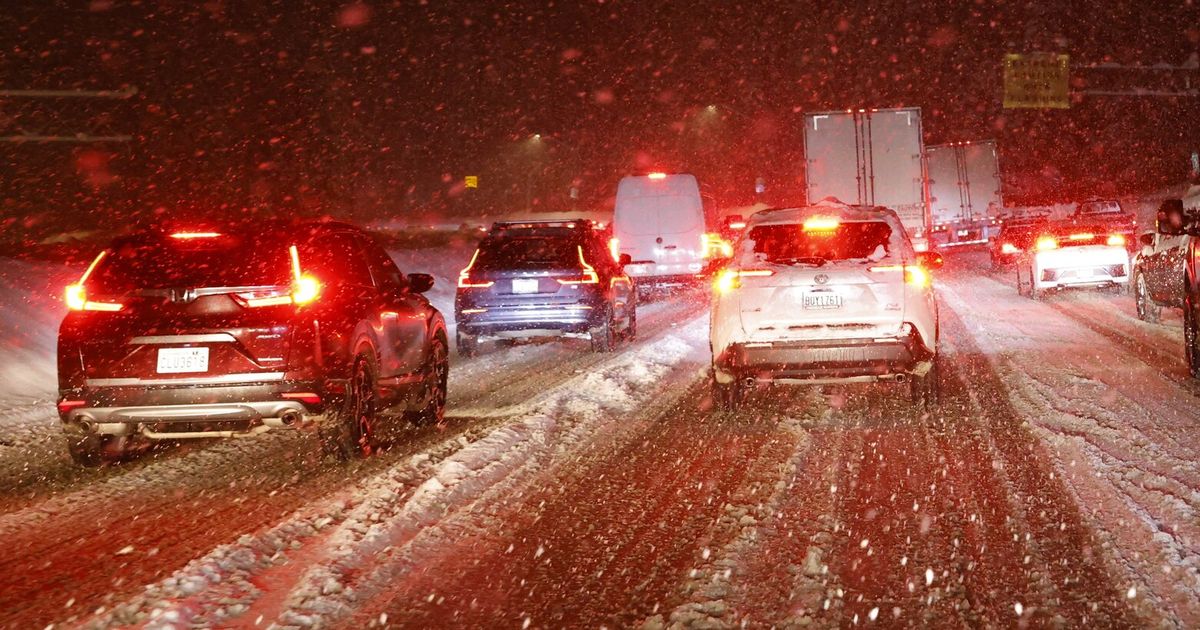
Over the summit itself, drivers are encountering a mix of bare and wet pavement, along with patches of snow and slush. Transportation officials have issued traction tire advisories at times and restricted oversize vehicles when conditions deteriorate, highlighting the need for drivers to slow down, increase following distance, and be prepared for rapidly changing weather typical of this corridor in winter.[3]
Storm Damage, Travel Delays, and Regional Impacts
The December storm cycle has caused widespread damage to Washington’s transportation network, including washouts and debris flows on several mountain highways. While there are no full closures of I-90 at Snoqualmie Pass, eastbound lanes near mile 36 are reduced due to a developing washout and erosion issues, a situation that is already increasing travel times and requiring ongoing repair work.[1][3]
With other key routes, such as the long stretch of US 2 to Stevens Pass, expected to remain closed for an extended period after major washouts, Snoqualmie Pass has become an even more critical artery for cross-Cascade travel.[1][3] This concentrates more traffic into a corridor that is simultaneously dealing with lane closures, active construction, and winter weather, affecting freight movement, everyday travel, and access to ski areas that depend on I-90.
Winter recreation is directly affected by these conditions. Skiers and snowboarders heading to The Summit at Snoqualmie must factor in both the lane reductions near North Bend and potential chain requirements or slushy, snowy conditions at the pass itself. Officials and outdoor groups are urging travelers to check real-time pass reports, respect closures and speed reductions, and be patient with crews working to stabilize slopes and keep the route safely open through the rest of the winter season.[1][3]