Tripoli at the Center of Libyan Power
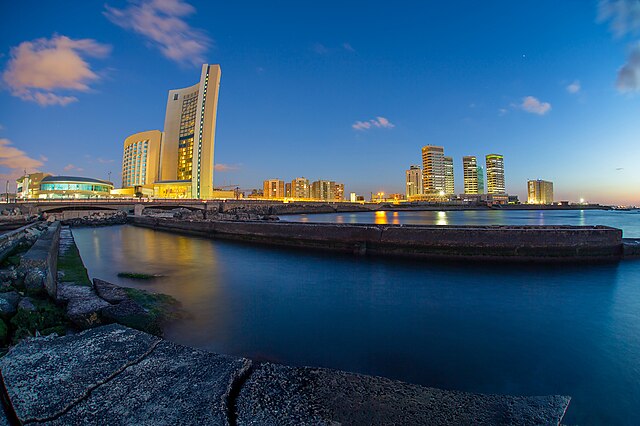
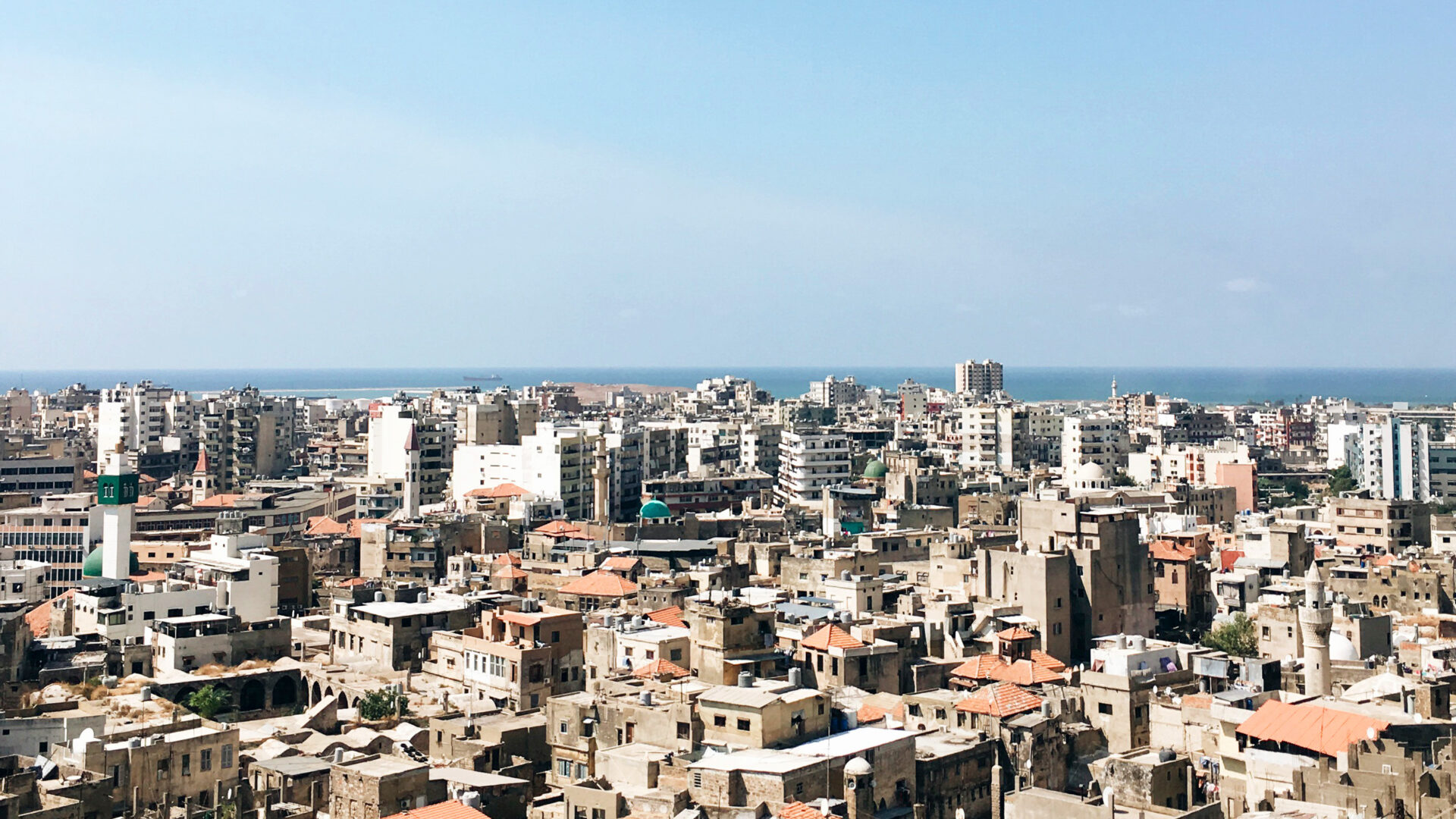
Tripoli is Libya’s capital and largest city, a historic Mediterranean port in the northwest that serves as the seat of the UN-recognized Government of National Unity (GNU). From its ministries and central bank to key security agencies, the city concentrates much of Libya’s formal political and economic authority.[3]
At the same time, Tripoli sits at the heart of a national divide between rival administrations in the west and east. While the GNU governs from Tripoli with international backing, a competing government based in the east and supported by Khalifa Haftar’s Libyan National Army challenges its legitimacy, leaving the capital to navigate a constant struggle over laws, elections, and control of state resources.[3][4]
This duality means that Tripoli’s streets, institutions, and infrastructure are not only local assets but also symbols in a wider contest over who speaks for Libya. Any breakthrough—or breakdown—in national talks is felt first in the capital, whether through political agreements, protests, or sudden escalations of armed tension.
Militias, Security, and Daily Life
Security in Tripoli is shaped by a dense network of militias and armed groups that control critical sites such as airports, prisons, and checkpoints, often more decisively than formal state forces.[1][4] Some of these groups, like the Rada Special Deterrence Force, are nominally tied to official ministries yet operate with considerable autonomy and influence over daily life.[1][4]
Prime Minister Abdul Hamid Dbeibeh has sought to curb militia power and bring facilities like Mitiga Airport and its prison under direct state control, ordering loyal units from Misrata and Gharyan toward the capital.[1] These moves have triggered armed standoffs and clashes, highlighting the risk that efforts to centralize authority can quickly spill into violence in densely populated areas.
Residents of Tripoli live with the consequences of these tensions: intermittent fighting, shifting checkpoints, and uncertainty over who truly controls key neighborhoods. International observers, including the UN and human rights organizations, have documented deadly clashes in and around the capital and warned that renewed violence could undermine the nationwide ceasefire and stall any path to elections.[2][3]
Rights, Economy, and International Engagement
Beyond frontline clashes, Tripoli is also a focal point for human rights and governance debates. Authorities based in the city have announced measures such as a new morality police force that imposes restrictions on women’s clothing, movement, and social interactions, steps that Human Rights Watch says lack legal basis and violate women’s and girls’ rights.[2]
Economically, Tripoli remains indispensable as the hub for Libya’s oil revenues, public spending, and foreign investment. The city hosts events like the Tripoli International Fair and sector-specific exhibitions that aim to attract business, even as instability and corruption concerns weigh on investor confidence.[5][6]
International actors view developments in Tripoli as central to Libya’s broader trajectory. The UN Security Council receives regular briefings focused on the capital’s security and political dynamics, while major energy companies like Eni and BP prepare high-stakes projects that depend on decisions made by Tripoli-based institutions.[3][7] Whether Tripoli can transition from a battleground of rival factions to a functioning capital will help determine Libya’s prospects for peace and recovery.