What Are Winter Weather Warnings?
Winter weather warnings are official alerts issued by meteorological agencies when dangerous winter conditions such as heavy snow, sleet, freezing rain, or life-threatening cold are expected or occurring. In the United States, the National Weather Service uses a system of watches, advisories, and warnings to communicate both the likelihood and severity of these hazards so the public can prepare appropriately.
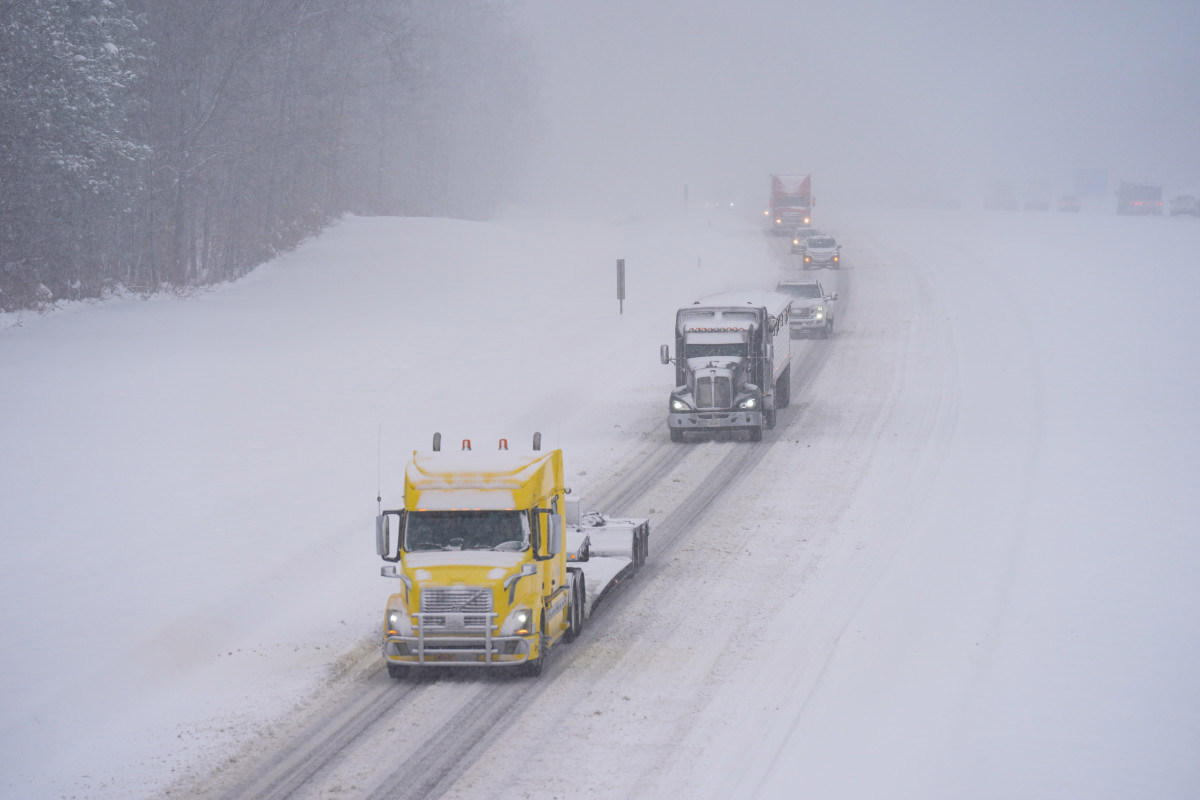
These alerts become especially important during large-scale winter storms that can affect multiple states at once, bringing heavy snow bands, strong winds, icy roads, and widespread travel disruptions. Early- and mid-December storm summaries show how quickly conditions can deteriorate as low-pressure systems track across the central U.S. into the Northeast, leaving behind snow-covered roads, flight delays, and localized power outages as cold air pours in behind the storm.
Today’s Storms and Current Alerts
Recent winter storms from the central U.S. to New England have produced heavy snow and strong winds, followed by outbreaks of arctic air that pushed wind chills into the single digits or below zero in some locations.[3][2] In response, forecasters issued winter storm warnings and winter weather advisories for significant snow accumulations and hazardous travel, then wind chill advisories and warnings as the cold intensified behind the departing systems.[2][3]
In the Mid-Atlantic and Northeast, a recent coastal redevelopment event brought several inches of snow along major corridors, prompting winter storm warnings, speed restrictions on interstates, and school closures, while gusty winds created areas of blowing snow and reduced visibility.[1][2] Even after the heaviest snowfall ended, bitterly cold air and gusty winds kept wind chill alerts and other winter headlines in place, illustrating how impacts can persist long after the main snow band has moved on.
Types of Alerts and How to Stay Safe
A Winter Storm Warning is issued when heavy snow, sleet, or freezing rain is expected to cause major travel difficulties, dangerous roads, and potential power outages within a relatively short time frame, whereas a Winter Weather Advisory is used for less extreme but still impactful conditions like lighter snow or patchy freezing drizzle.[1][2][3] Wind Chill Warnings and Advisories focus specifically on dangerously low apparent temperatures, which can cause frostbite on exposed skin in a short period when strong winds combine with very cold air.[2][3]
Safety guidance under these alerts emphasizes limiting travel during periods of heavy snow or low visibility, slowing down on snow- or ice-covered roads, and carrying a winter emergency kit in vehicles that includes warm clothing, blankets, food, water, and a flashlight. At home, emergency managers advise preparing for potential power outages, checking on vulnerable neighbors, and taking extra precautions in areas under wind chill or extreme cold warnings by dressing in layers, covering exposed skin, and bringing pets indoors. Staying tuned to updated forecasts and official alert maps helps residents respond quickly as winter weather warnings are upgraded, extended, or cancelled while storms evolve.