Who Is Christy Martin?
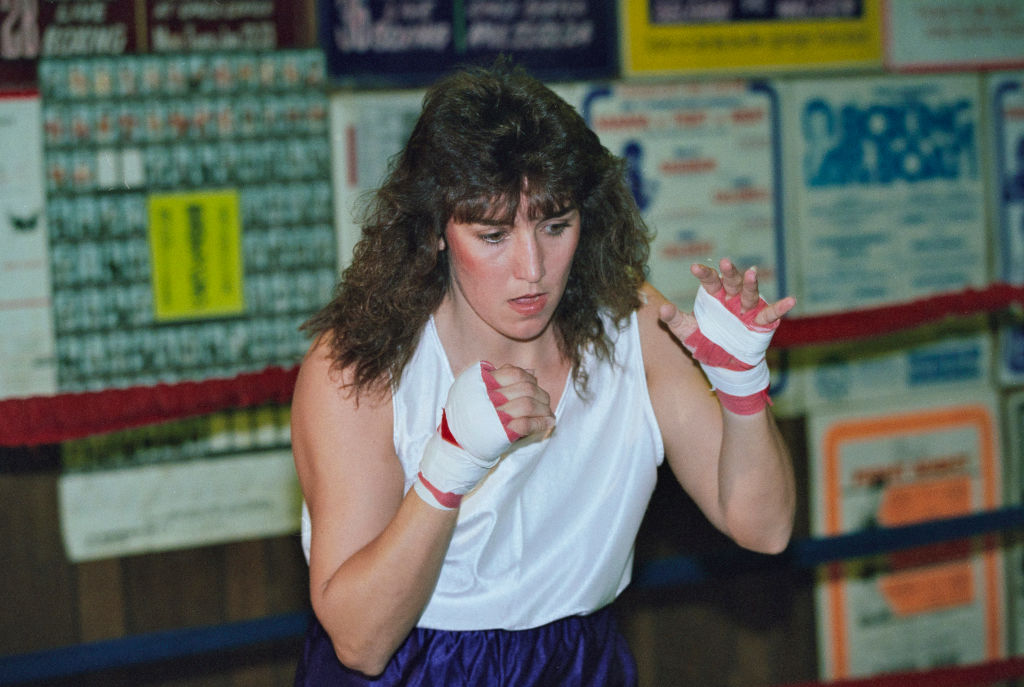
Christy Martin is a retired American professional boxer who rose to prominence in the 1990s and is often described as the most successful and visible female boxer of her era.[1][3] Known as “The Coal Miner’s Daughter,” she fought professionally from 1989 to 2012, winning the WBC female super welterweight title in 2009 and compiling 49 wins with 31 knockouts.[1]
She was the first female fighter signed by promoter Don King and the first woman boxer to appear on the cover of Sports Illustrated, moments that helped propel women’s boxing into mainstream sports culture.[1][3] In 2020, she was inducted into the International Boxing Hall of Fame, affirming her status as a foundational figure in the sport’s history.[1][3]
Violence, Survival, and Advocacy
Outside the ring, Martin endured years of emotional and physical abuse from her trainer and husband, Jim Martin, whom she married in her early 20s.[2][3] In 2010, he attacked her in their Florida home, stabbing and shooting her in the chest; she survived and later testified against him in a widely covered attempted murder trial.[2]
Martin has since spoken publicly about surviving both childhood sexual abuse and domestic violence, as well as about coming out as gay after leaving the marriage.[3][5] Through her nonprofit Christy’s Champs and her work as a motivational speaker, she now advocates for survivors, emphasizing that abuse can affect anyone and encouraging people to leave dangerous situations and seek support.[3]
Modern Legacy and the New Biopic
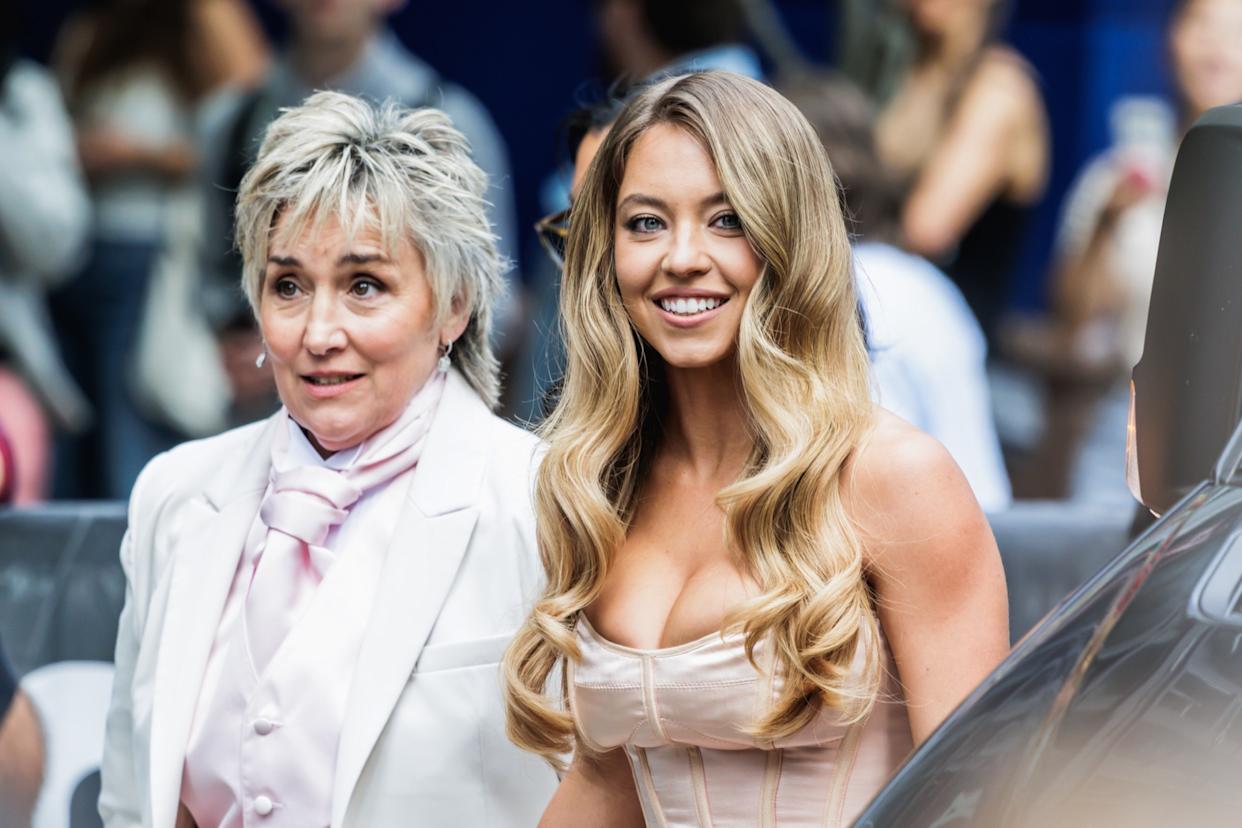
Christy Martin’s story is reaching new audiences with the 2025 biopic "Christy," starring Sydney Sweeney, which dramatizes her rise in boxing and her fight for survival outside the ring.[3][4][7] The film and related coverage present her as a trailblazer who helped "create" a mainstream platform for women’s boxing, highlighting her role on major pay-per-view cards and network broadcasts.[1][5][7]
Recent profiles and historical pieces stress how Martin’s aggressive, crowd-pleasing style and high-profile bouts laid groundwork for today’s generation of women boxers, who now headline major events and enjoy broader institutional support.[3][5] By combining sports history, LGBTQ+ visibility, and anti-violence advocacy, her renewed visibility is influencing cultural conversations well beyond boxing.