
Current Standings and Performance
The Jazz's 10-18 record reflects a tough start, with a 7-9 home record and 3-9 on the road. They trail division leaders like the Thunder (26-3) by 15.5 games, underscoring the need for improved consistency. Their 6-13 conference record and 0-6 divisional mark highlight vulnerabilities against Western Conference foes.
Recent games, including a loss to the Thunder on December 7 where they scored just 101 points against a projected 110.6, expose scoring droughts. The team's -7.5 net rating stems from allowing high opponent efficiency, with foes shooting 57.1% effective field goal percentage.
Positive home crowd energy at the Delta Center remains a factor, but away struggles (3-9) demand defensive adjustments to spark a turnaround before the new year.
Key Players and Stats Leaders
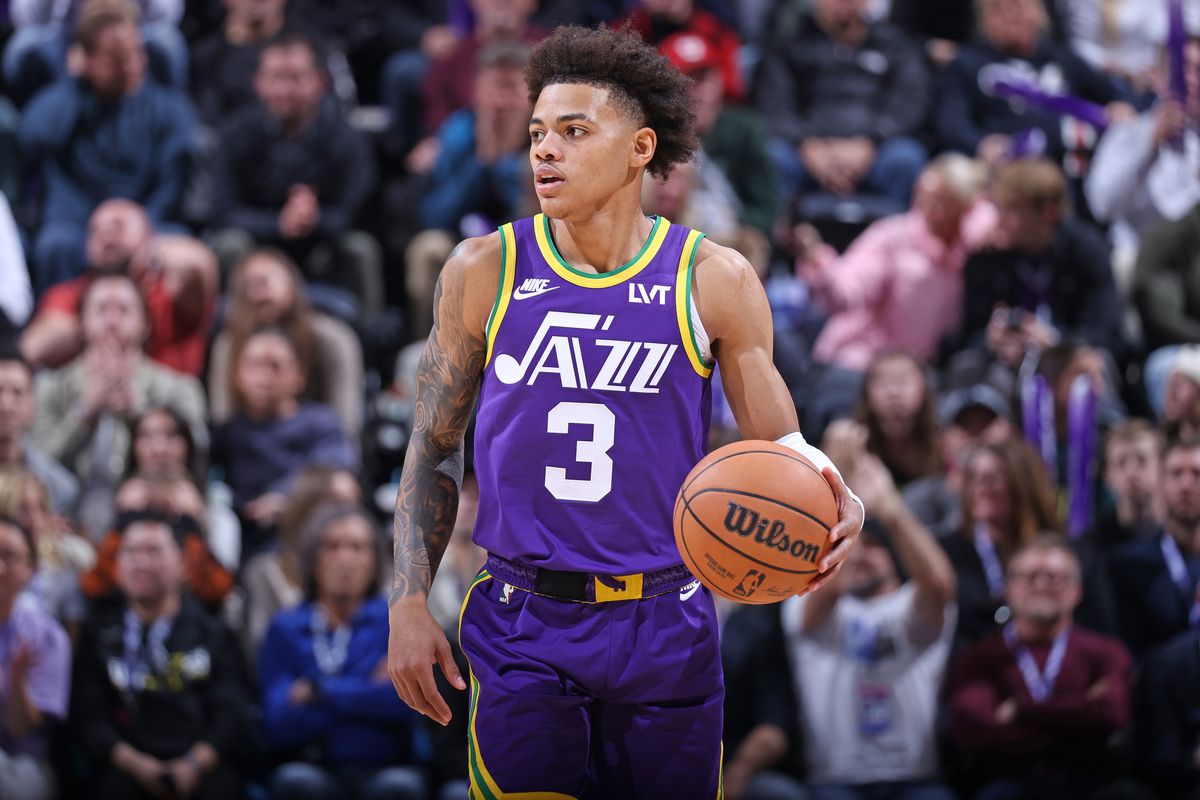
Lauri Markkanen anchors the offense at 27.8 points per game, making him a focal point for Utah's scoring attack. Jusuf Nurkic contributes 9.6 rebounds and 1.4 steals, providing interior presence, while Keyonte George dishes 6.9 assists as the primary playmaker.
Emerging talents like Kyle Filipowski add 0.5 blocks, but turnover rates (13.2%) and foul troubles (23.3 per game) hinder flow. Compared to elite teams like OKC (10.9% turnover), these metrics reveal areas for growth amid a youth-driven roster.
Injuries and load management impact depth, yet leaders like Markkanen embody resilience, driving fan hope for a late-season surge.
Challenges and Path Forward
Defensive paint protection (52.4 opponent points) and rebounding battles (27.5% offensive rebound rate) pose key issues. The Jazz's 53.4% effective field goal percentage lags behind top teams, amplifying scoring burdens on stars.
With a schedule featuring winnable matchups post-Christmas, coaching adjustments could exploit transition play (13.8 fastbreak points). Fan support in Salt Lake City remains strong, fueling optimism despite the standings position.
A focus on reducing turnovers and bolstering perimeter defense will be pivotal. As the season progresses, the Jazz's blend of veterans and prospects positions them for potential growth in the second half.