
What are NBA standings?
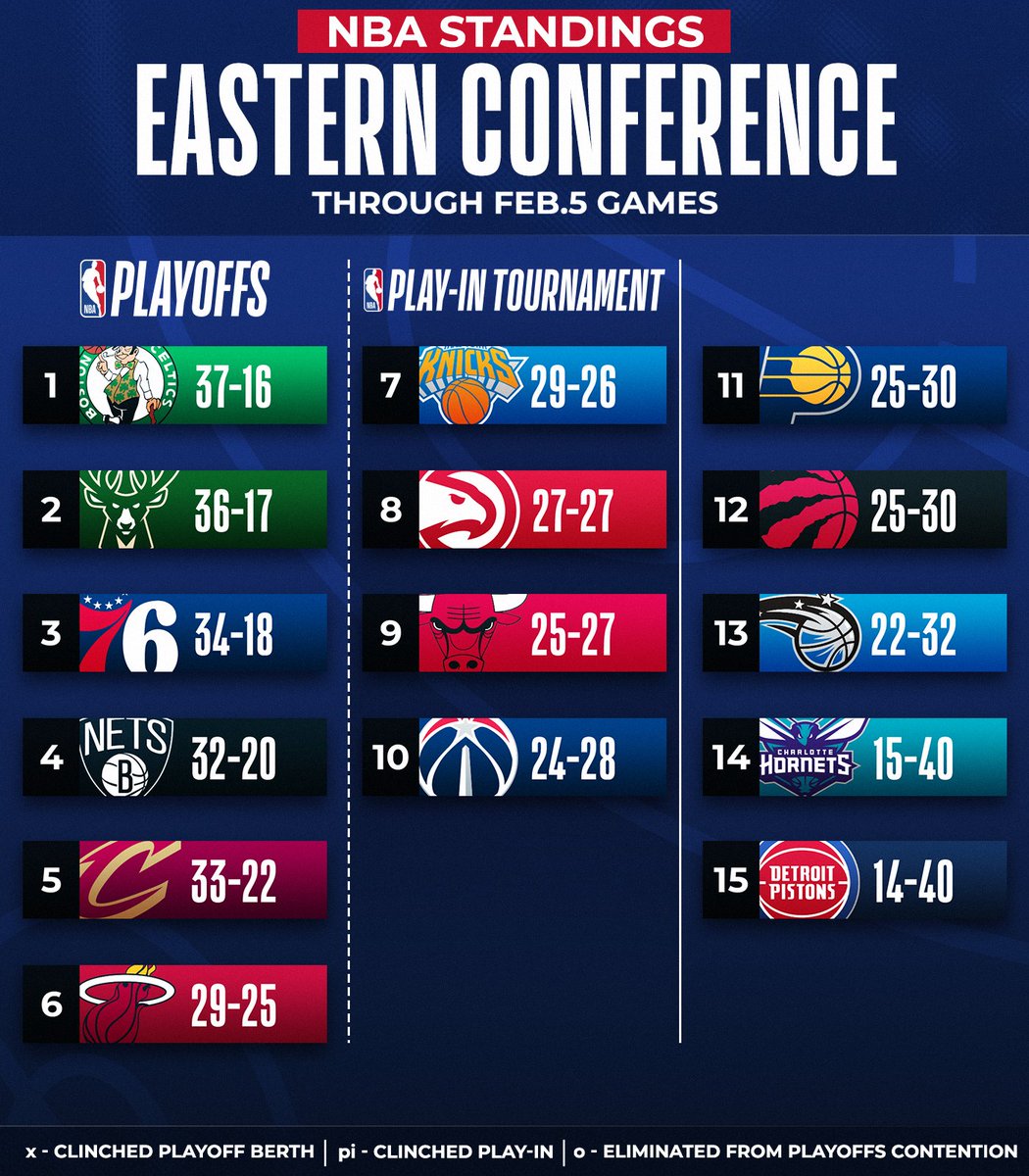
NBA standings are the official rankings that show how each of the league’s 30 teams is performing in the 2025–26 regular season based on their win–loss record.[2][3] They are typically displayed by conference and division and updated after every game on sites like NBA.com, ESPN, FOX Sports, and CBS Sports.[1][3][4]
Each standings table usually includes wins, losses, winning percentage, games behind the conference leader, and other indicators such as home and road records, points scored and allowed, and current streaks.[1][4] This information helps fans and analysts understand not just who is winning, but how convincingly teams are performing over the course of the season.[1][5]
Current trends and conference contenders
Current 2025–26 standings highlight which teams sit at the top of the Eastern and Western Conferences and how tight the gaps are between seeds.[1][2] Conference tables on FOX Sports and other outlets show not only records but also point differentials that reveal how dominant leading teams have been so far.[1]
Observers use these standings to spot surprise risers and struggling favorites by comparing live results to preseason expectations.[2][3] Because of the long schedule, strong early streaks or extended slumps can dramatically shift teams’ playoff trajectories, and these swings are clearly visible in updated win–loss columns and streak indicators.[1][5]
Playoff picture, seeding, and tiebreak stakes
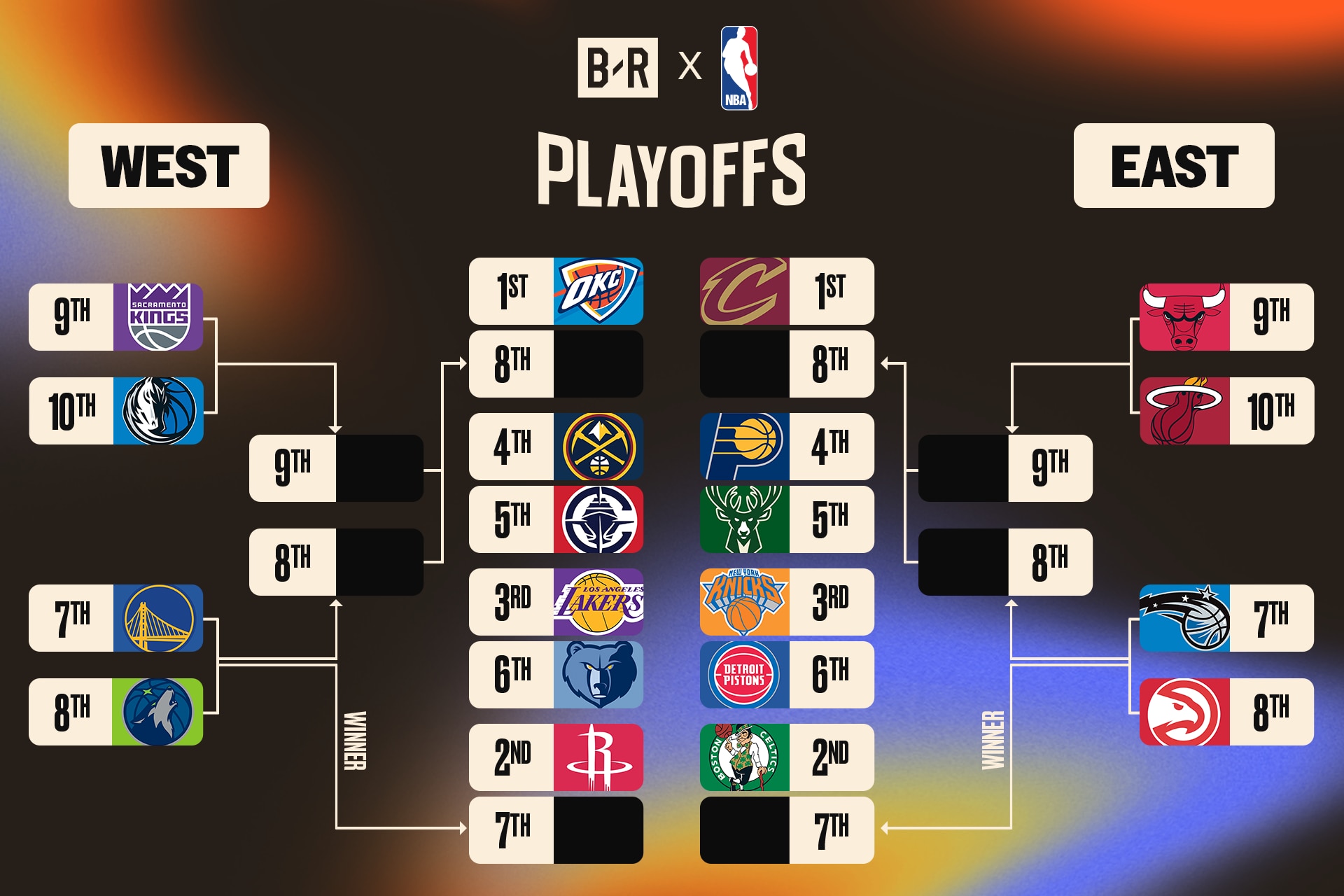
The most important function of the NBA standings is clarifying the playoff race, especially the battle for top seeds, home‑court advantage, and play‑in positions.[2][3] ESPN and CBS Sports offer conference‑specific views that make it easy to see which teams are safely in, which are on the bubble, and which are chasing the final postseason spots.[3][4]
Because many teams finish with similar records, fans track tiebreak‑related stats—such as conference record and head‑to‑head performance—right alongside basic wins and losses.[3][5] As the 2025–26 season advances, each movement in the standings influences strategic choices on rotations, rest, and trades, with organizations closely watching how every result affects their projected playoff path.[3][4]