What Super Bowl 2026 Is and Why It Matters
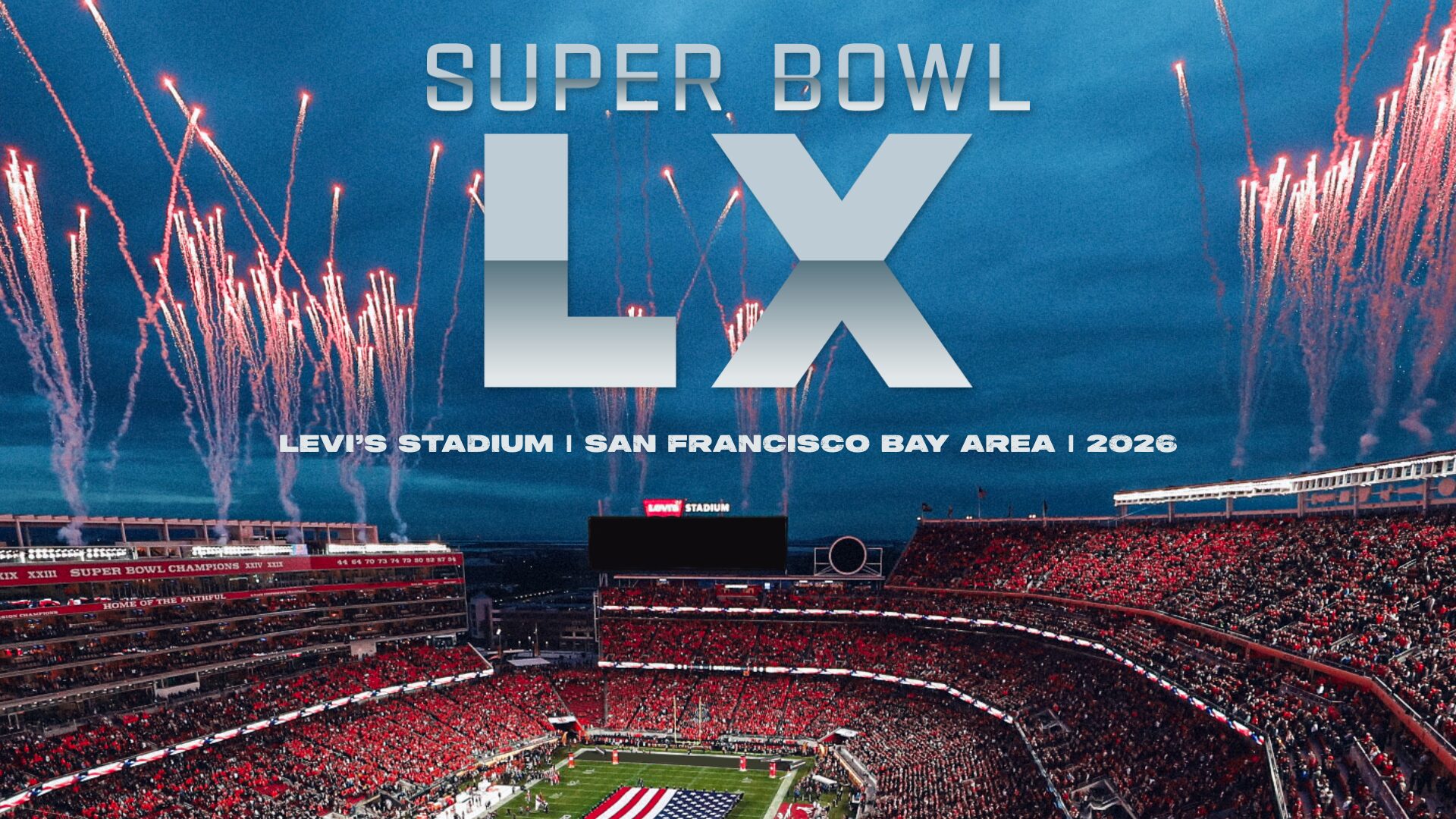
Super Bowl 2026, or Super Bowl LX, is the NFL’s championship game for the 2025 season and the 60th edition of the league’s marquee event. It will be played on February 8, 2026 and will again combine elite American football with live entertainment, major advertising and global media coverage.
The game returns to the San Francisco Bay Area, a region with a growing track record of staging global sports events, and will determine the NFL champion after the conclusion of the regular season and playoffs. As with past Super Bowls, it is expected to generate massive TV audiences, high ad rates and significant tourism and hospitality activity.
Because it marks a round-number milestone and is being held in a major tech and media hub, Super Bowl LX is also a testbed for new fan experiences, hospitality concepts and broadcast innovations that could shape how future Super Bowls are presented and consumed.
Date, Location and the Levi’s Stadium Stage
The NFL has locked in Sunday, February 8, 2026 as the date for Super Bowl LX, with kickoff scheduled for 6:30 p.m. Eastern Time and 3:30 p.m. Pacific. This timing preserves the now-familiar Sunday evening slot for U.S. viewers while taking advantage of daylight and favorable conditions in Northern California.
Levi’s Stadium in Santa Clara, home of the San Francisco 49ers, will host the game for the second time after successfully staging Super Bowl 50 a decade earlier. The stadium seats roughly 68,500 for NFL contests, with the ability to expand capacity and add temporary hospitality and media structures for the Super Bowl.
The event will be the third Super Bowl held in the Bay Area overall. That history, combined with modern infrastructure and proximity to Silicon Valley and San Francisco, makes Levi’s Stadium a strategic choice for the league as it seeks both local reliability and global visibility.
Tickets, Hospitality Packages and Fan Experiences
With Super Bowl 2026 approaching, official ticket and hospitality sales are a central focus for fans and sponsors. Through the NFL’s authorized hospitality provider, On Location, buyers can secure packages that include guaranteed seats, premium in-stadium locations, curated pregame parties and exclusive entertainment, giving fans more than just a seat to the game.
These offerings complement the broader secondary market, where individual tickets typically range from several thousand dollars into the tens of thousands for the best locations. By bundling access, food, drinks and experiences, hospitality packages have become a preferred option for corporate groups, high-net-worth travelers and international visitors looking for a turnkey Super Bowl trip.
The fan experience extends well beyond Levi’s Stadium. During Super Bowl Week, the NFL’s Super Bowl Experience at Moscone Center will deliver interactive games, exhibits, and autograph sessions, while the Pro Bowl Games are scheduled in the same complex earlier in the week. This clustering of events concentrates economic impact in the Bay Area and turns the Super Bowl into a multi-day festival rather than a single-night spectacle.
Global Impact and Overlap With the 2026 Winter Olympics
Super Bowl LX will take place during the 2026 Winter Olympics, with both properties airing on the same U.S. broadcast network, creating an unusual convergence of two massive global sports audiences. For broadcasters and advertisers, this opens new possibilities for cross-promotion, integrated campaigns and back-to-back marquee programming.
This overlap is only the second time the Super Bowl has fallen within an active Olympic window, and it underscores how crowded and interconnected the global sports calendar has become. Brands, betting operators and streaming platforms are closely watching how viewers move between Olympic coverage and the NFL’s championship game.
For the host region, the timing translates into an even larger spotlight, as international media and sponsors use the Super Bowl as a platform to reach fans already engaged with top-tier global sports. That visibility, combined with the direct tourism and spending tied to the event, is a major factor in the Bay Area’s push to position itself as a long-term home for world-class sports and entertainment.