Historic Launch of First Wheelchair User
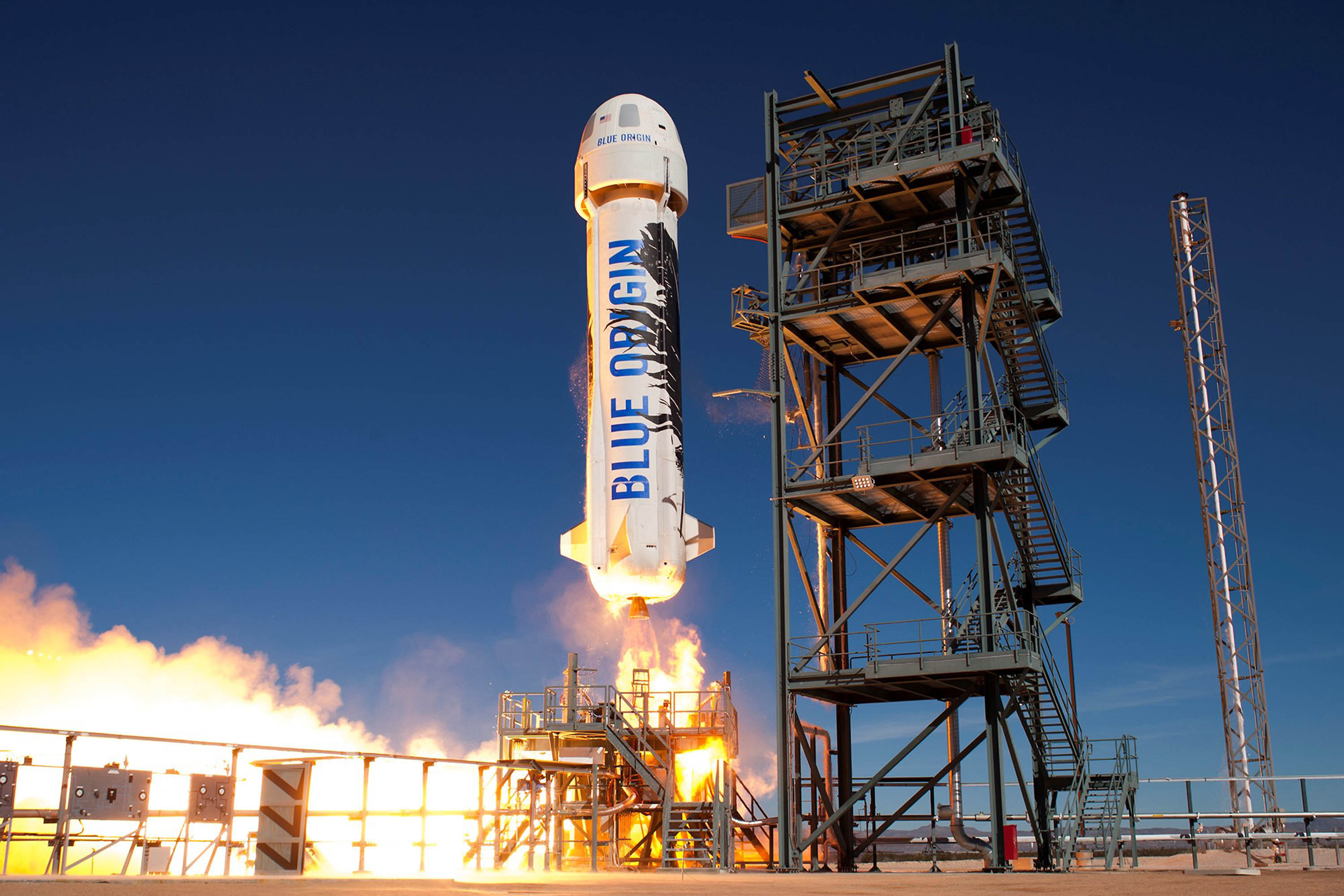
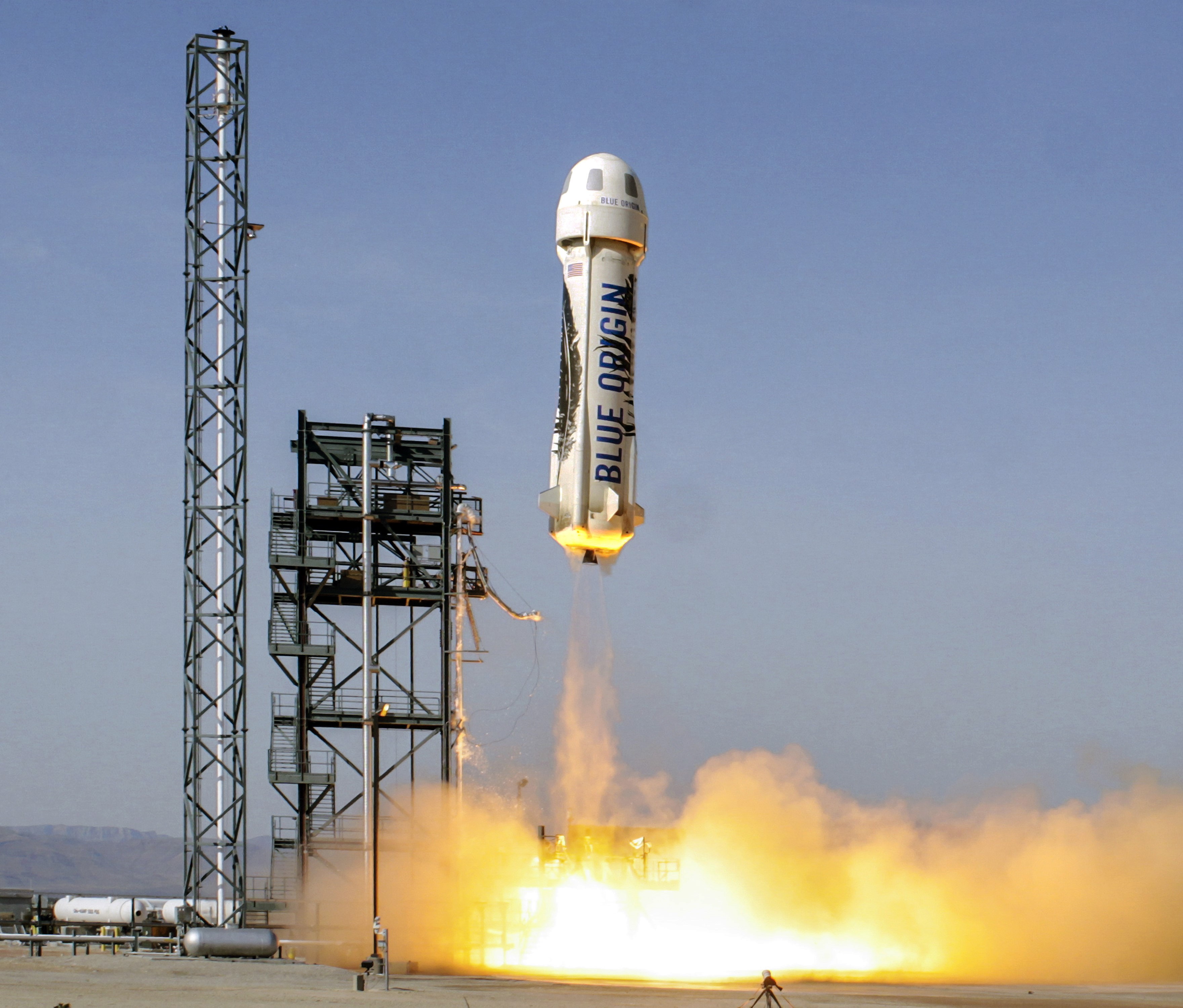
Today, Blue Origin's New Shepard rocket lifted off from Launch Site One in West Texas, carrying a crew that included the first individual using a wheelchair to reach space. This suborbital flight reached an altitude above the Kármán line, providing passengers with several minutes of weightlessness and stunning views of Earth.
The passenger, a trailblazing advocate for disability rights, prepared rigorously for the mission despite physical challenges. Blue Origin modified training protocols to ensure safety and accessibility, demonstrating that space is for everyone. Live streams captured the emotional moment of reaching space, watched by millions worldwide.
This achievement shatters barriers, proving that private space companies can accommodate diverse needs. It sets a precedent for future inclusive missions, potentially influencing NASA's astronaut selection processes.
What is Blue Origin?
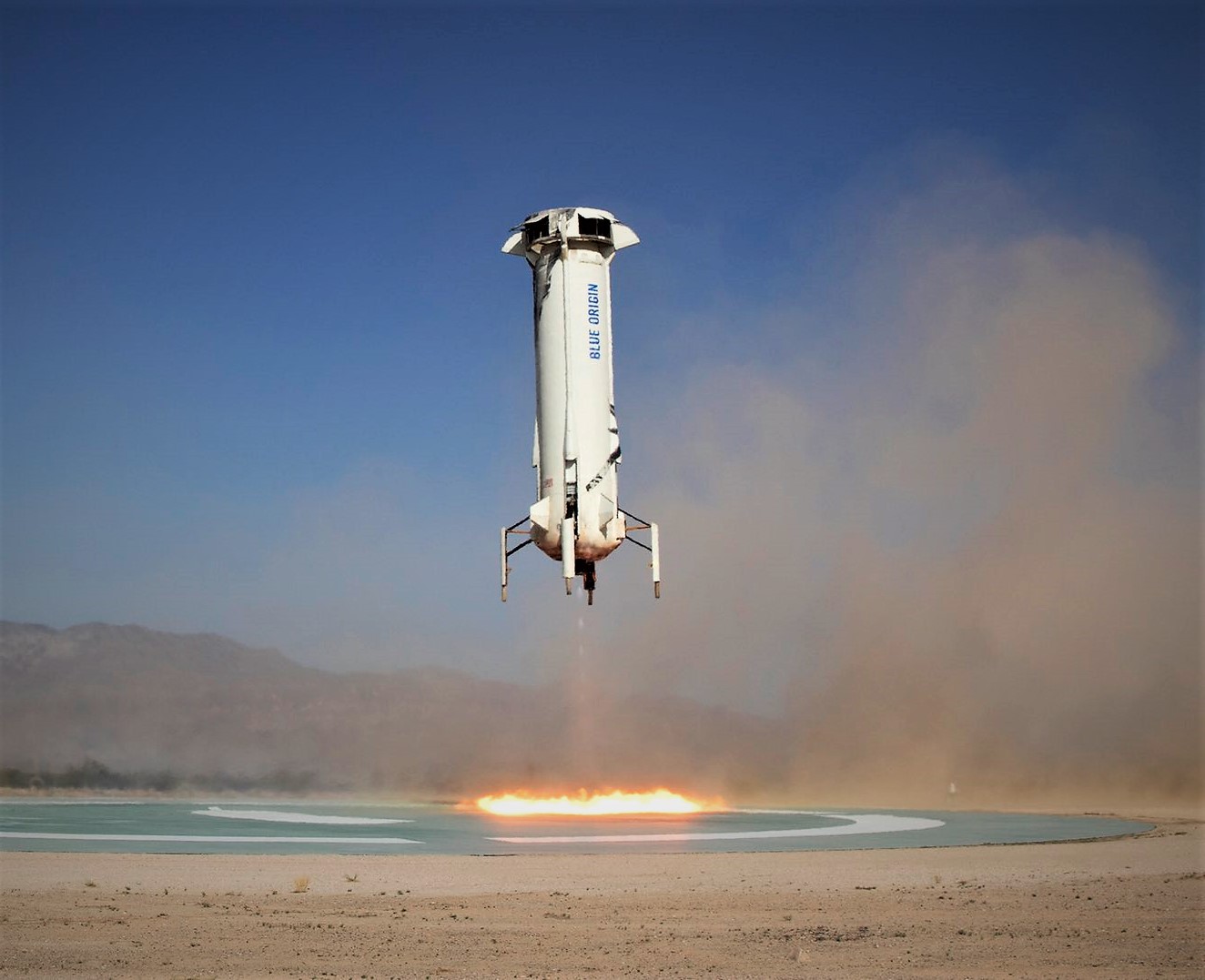
Blue Origin, established with the vision of enabling millions to live and work in space, has flown over 40 human missions since 2021. Its New Shepard vehicle is fully reusable, landing vertically after each flight to reduce costs and environmental impact.
Jeff Bezos, Amazon founder, has personally flown on New Shepard and continues to fund the company's ambitious goals, including the heavier-lift New Glenn orbital rocket. Blue Origin also develops BE-4 engines for United Launch Alliance, expanding its role in the space industry.
Beyond tourism, the company supports scientific experiments, contributing to research on microgravity effects and human physiology.
Impacts and Future of Inclusive Spaceflight
Today's launch amplifies calls for diversity in space exploration. By including a wheelchair user, Blue Origin challenges ableist assumptions and opens doors for others with disabilities.
Experts predict this will spur innovations in adaptive spacecraft design and training. Competitors may follow suit, fostering a more equitable space era. Public interest in space tourism is surging, with tickets selling out rapidly.
Looking ahead, Blue Origin plans more frequent launches and orbital capabilities with New Glenn in 2026, potentially carrying diverse crews to low Earth orbit.