
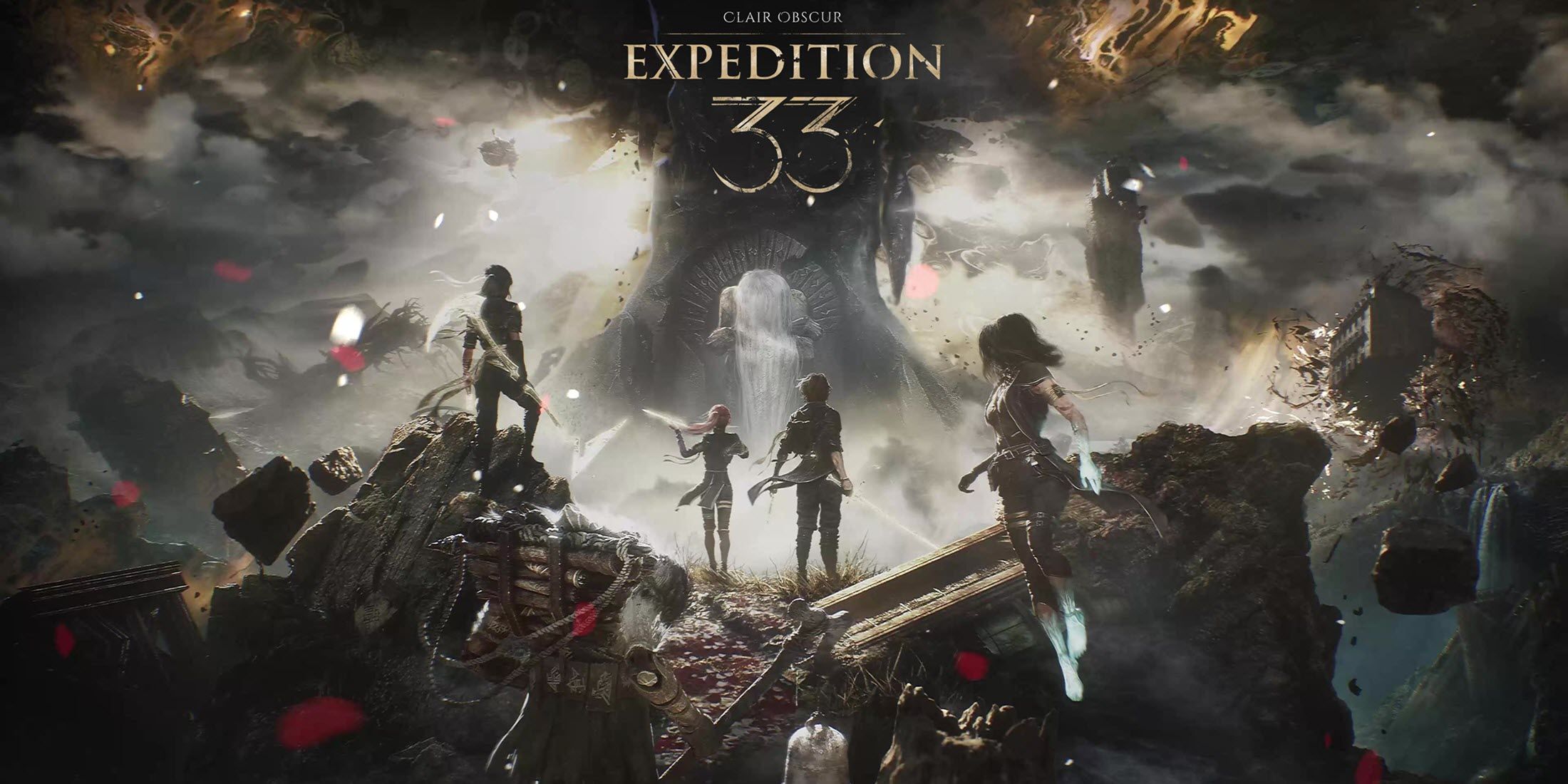

What Is Clair Obscur: Expedition 33 and Why AI Matters
Clair Obscur: Expedition 33 is a stylish, story-driven role-playing game that rose from a relatively modest-budget production to win multiple major Game of the Year awards. Its painterly aesthetic, tactical combat, and ambitious worldbuilding positioned it as a standout release and a symbol of what smaller teams can achieve.
The game has also become a key reference point in the broader debate over generative AI in game development. As players and critics reassess how much automation is acceptable in the creative process, Clair Obscur now sits at the center of questions about transparency, artistic credit, and what should count as “human-made” in modern games.
How Generative AI Was Used in Expedition 33
Producer François Meurisse acknowledged in a mid-2025 interview that the team used “some AI, but not much” during development, suggesting that generative tools were part of the workflow without being its core.[1] Reports describe this usage as focused on limited tasks such as exploring ideas, prototyping content, or creating placeholder textures and in-game posters that could later be refined or replaced.[1][4]
Later, director Guillaume Broche stated in another interview that when it comes to anything creative, the studio’s answer was effectively “no,” insisting that nothing in the finished game would come from AI.[1] The tension between these two statements—one acknowledging limited AI usage, the other positioning the studio as firmly anti-AI—sparked accusations of inconsistency from some players, particularly as fans surfaced examples they believed showed AI-assisted assets in earlier versions of the game.[1][5]
Backlash, Transparency, and the Future of AI in Games
The controversy around Clair Obscur resurfaced just as Larian Studios faced criticism over its own use of generative AI tools for prototyping and experimentation, despite assurances that no AI-generated content ships in final products.[1] Comparisons between the two cases highlighted how fans reacted more harshly to Larian’s explicit, detailed disclosure than to Clair Obscur’s quieter admission, which only drew major attention after the game had already secured awards and widespread acclaim.[1][2]
Commentators argue that the core issue is less whether AI exists in pipelines and more how clearly it is communicated: platforms like Steam now require AI usage disclosure, and analysts suggest up-front transparency may prevent misunderstandings and build trust, even if it risks short-term backlash.[2][4] For studios, Clair Obscur: Expedition 33 has become a cautionary example that inconsistent messaging about generative AI can overshadow creative achievements, while for players it has sharpened expectations for clearer labeling, stronger human oversight, and open discussion about where, how, and why AI appears in the games they support.