What is the TikTok ban?
The “TikTok ban” refers to a US law that classifies TikTok as a foreign adversary controlled application and requires its Chinese parent, ByteDance, to divest the app’s US operations or face a nationwide shutdown. The Act prohibits US companies from distributing, maintaining, or updating TikTok unless a qualifying sale severs ByteDance’s control.
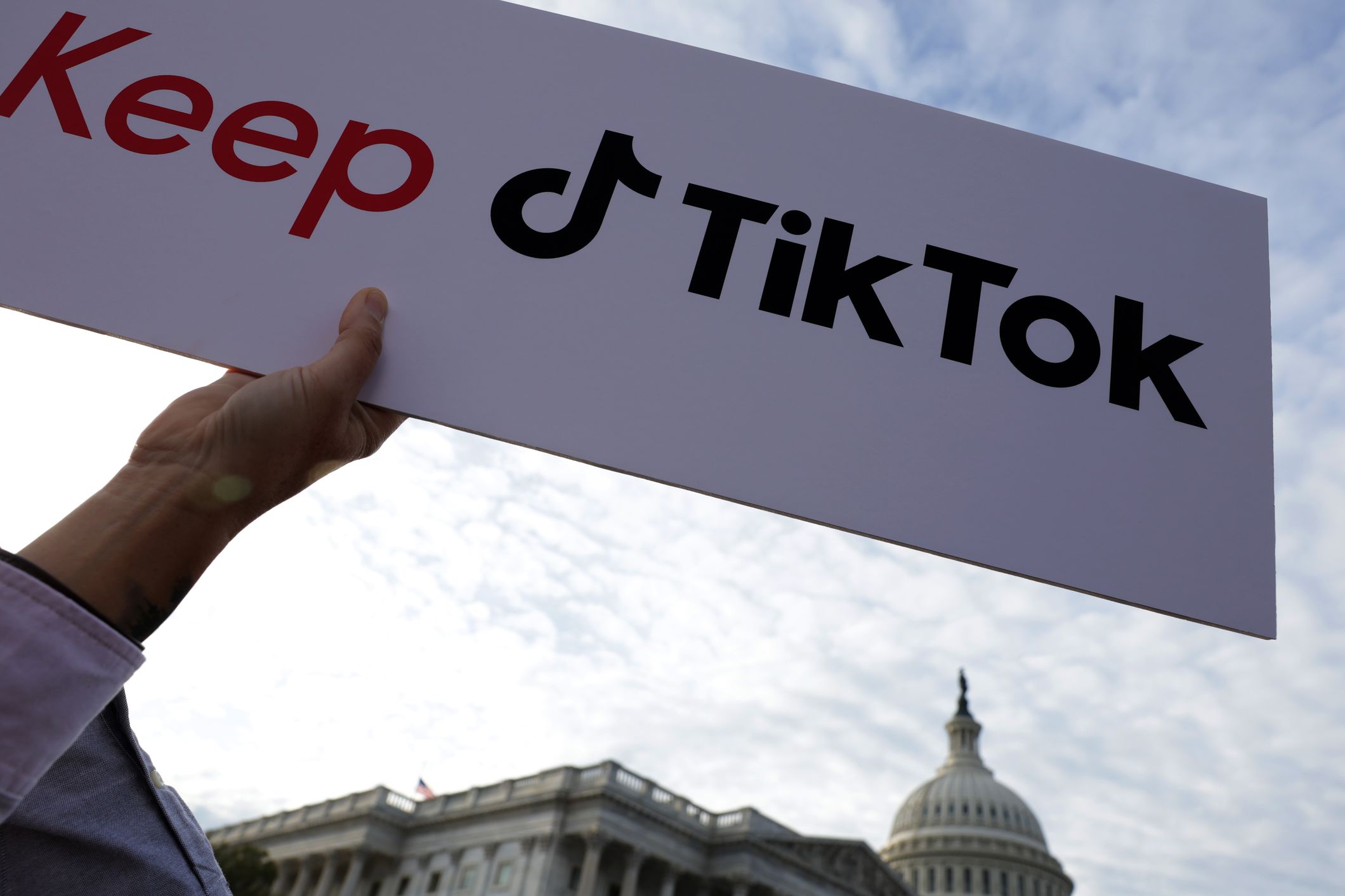
The Supreme Court unanimously upheld this law in TikTok, Inc. v. Garland, rejecting claims that it violates the First Amendment rights of TikTok and its users. While the Court recognized TikTok’s importance to over 170 million US users, it ruled that Congress had a sufficiently strong national security justification to support the measure.
Today’s Supreme Court ruling and deadline pressure
Today’s landscape is shaped by the Supreme Court’s decision to let the TikTok sale-or-ban law take effect, leaving ByteDance with a short window to secure a government-approved buyer. If a qualified divestiture does not occur in time, TikTok will be cut off from critical services like app stores and hosting, causing the app to degrade for US users.
The ruling affirms Congress’s judgment that previous negotiations and voluntary safeguards were not enough to address data and national security risks. It also places the burden of implementation on the incoming administration, which must decide whether to strictly enforce the deadline, offer extensions, or shape the conditions for any potential deal.
National security vs. free speech
Supporters of the ban argue that TikTok’s ownership and technical architecture expose Americans’ data to potential access by a foreign adversary, and could allow subtle content manipulation in ways that are hard to detect or counter. They view forced divestiture as a necessary step after years of failed attempts to reach a less drastic security arrangement.
Opponents, including civil liberties groups and some legal scholars, warn that targeting a single, widely used platform sets a troubling precedent for government control over digital speech. They fear that once the state can effectively remove a platform from the market based on national security claims, similar logic could be applied to other apps, media services, or future technologies.
Impact on users, creators, and digital markets
For users and creators, a US TikTok ban would mean losing a central venue for entertainment, culture, and economic opportunity. Creators who built careers and businesses around TikTok’s algorithm and audience reach may be forced to scramble to other platforms, where their content and income streams may be less stable or harder to grow.
At a broader level, the TikTok ban signals a shift toward more fragmented, geopolitically aligned app ecosystems. It mirrors growing scrutiny of foreign-owned platforms and could encourage other governments to impose their own bans or forced sales, reshaping global social media competition and increasing the role of national security policy in the tech economy.