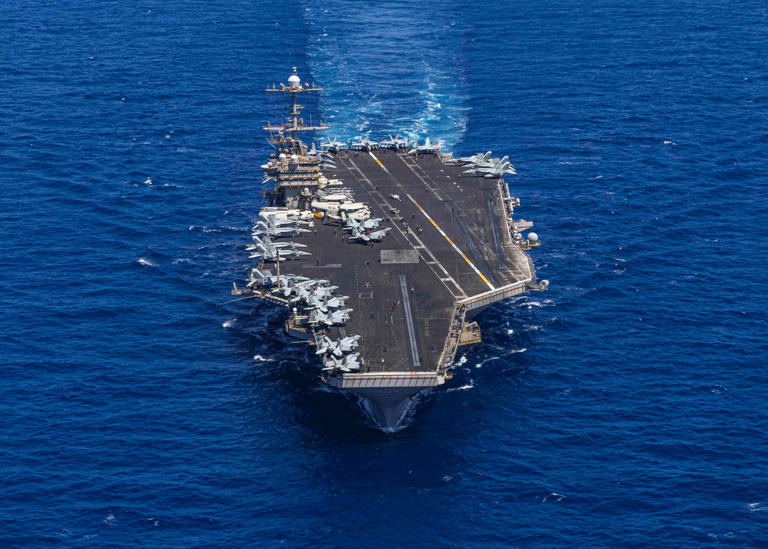
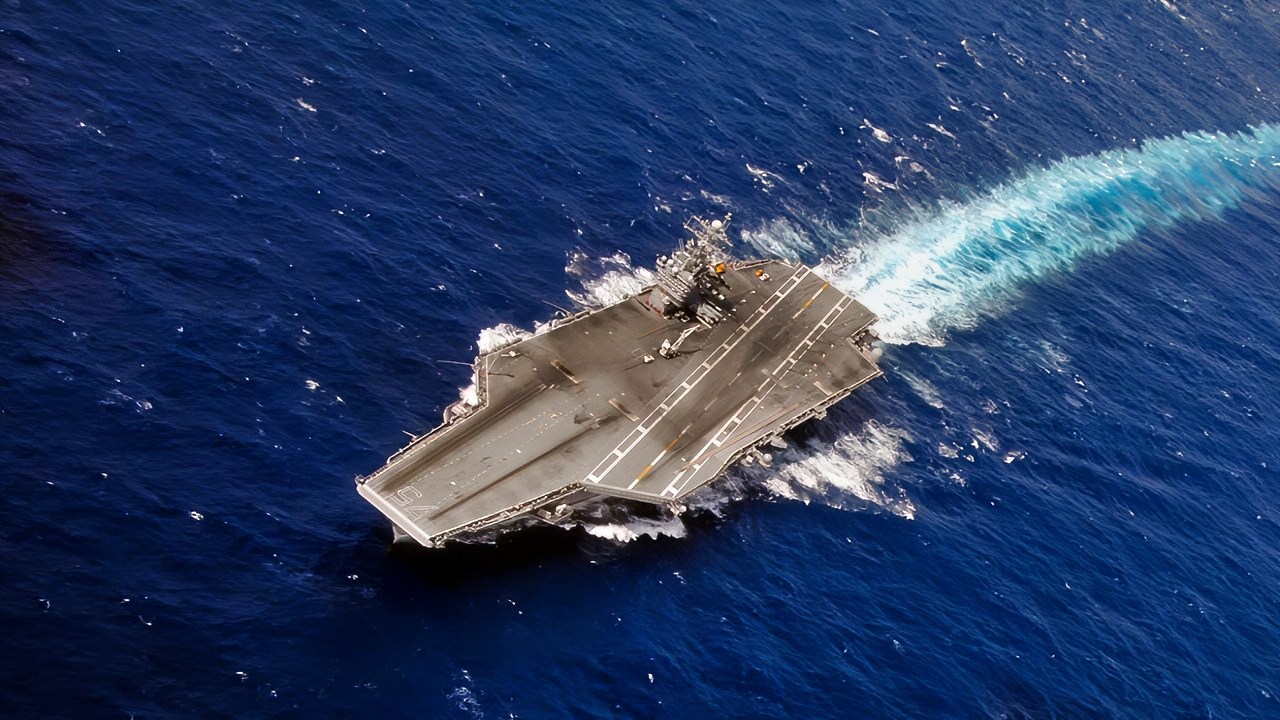
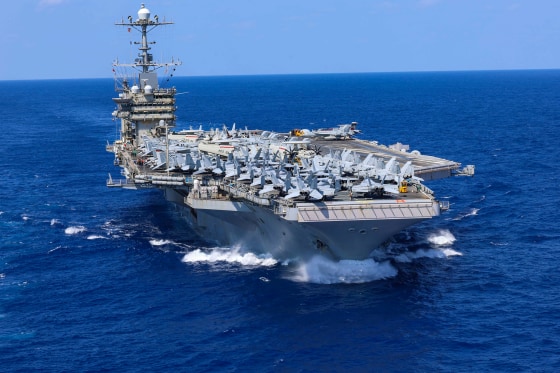
What is the Truman aircraft carrier?
The Truman aircraft carrier refers to the USS Harry S. Truman (CVN-75), a Nimitz-class nuclear-powered aircraft carrier commissioned in 1998 and named after the 33rd U.S. president. It serves as the centerpiece of a carrier strike group, embarking an air wing of fighter and support aircraft to conduct power projection, deterrence, and maritime security missions across the globe.
During its most recent deployment, the Truman operated extensively in European and Middle Eastern waters, including the Red Sea, where it supported air operations against regional threats and helped defend commercial shipping from missile and drone attacks. That high-intensity mission profile placed significant demands on the crew, exposing both the ship’s capabilities and its vulnerabilities under sustained pressure.
Recent incidents and findings
The Truman’s latest deployment was marred by four major mishaps: a collision with a merchant vessel, a catastrophic arresting gear failure that sent a jet into the sea, the loss of another F/A-18 and a tow tractor during evasive maneuvers, and a separate friendly-fire incident in the strike group. Investigations conclude that each of these events was preventable and that they collectively cost the Navy well over one hundred million dollars in lost equipment and repair costs.
Investigators attributed the mishaps to a mix of inadequate training, fatigue, breakdowns in communication, and failures in bridge and combat systems resource management, rather than to enemy action alone. Crucially, they found that standard procedures were not consistently followed or properly adapted to the high-threat environment, and that commanders did not always identify or mitigate risk before conducting complex operations in congested waters.
Impact and what happens next
The findings have tarnished an otherwise high-tempo and strategically important deployment, turning the Truman into a focal point for broader discussions about Navy readiness and safety culture. Families, lawmakers, and defense analysts are scrutinizing how close the ship came to a mass-casualty event in the collision, as well as what the loss of multiple advanced jets reveals about maintenance, training, and operational oversight.
In the wake of the reports, the Navy is implementing new guidance on communication protocols, equipment securing, and bridge training, while also reinforcing the importance of challenging unsafe assumptions even under intense operational pressure. The Truman’s experience is expected to inform future carrier training curricula and deployment planning, as leaders seek to preserve combat effectiveness without accepting unnecessary risks to sailors and billion-dollar platforms.