Who Can Donate Blood?
To donate, you must meet basic criteria: be at least 16-17 years old (with parental consent where required), weigh at least 110 pounds, and be in good general health on donation day[1][2][3]. No upper age limit applies in many centers, but you need photo ID and must pass a mini-physical checking blood pressure, pulse, temperature, and hemoglobin levels.
Common deferrals include recent illnesses like COVID-19 (wait 10 days post-recovery), pregnancy (6 weeks post-delivery), or certain medications and travel to malaria areas (3 months wait)[1][5]. Conditions like diabetes or controlled heart issues are often acceptable if stable, while histories of HIV risk behaviors, certain cancers like leukemia, or recent blood transfusions disqualify donors to prevent transmission risks[2][5].
In 2025, updated guidelines accommodate COVID-19 vaccinations and RSV shots without deferral, encouraging more eligible donors amid holiday shortages[1]. Always check with your local center as rules vary slightly by state or organization.
Step-by-Step Donation Process
Preparation starts with eating a meal within 2 hours, staying hydrated, and avoiding alcohol. Upon arrival, complete a confidential health history form addressing travel, medications, and infection risks[2][7]. A finger prick tests hemoglobin—minimum 12.5 g/dL for women, 13.0 g/dL for men[5].
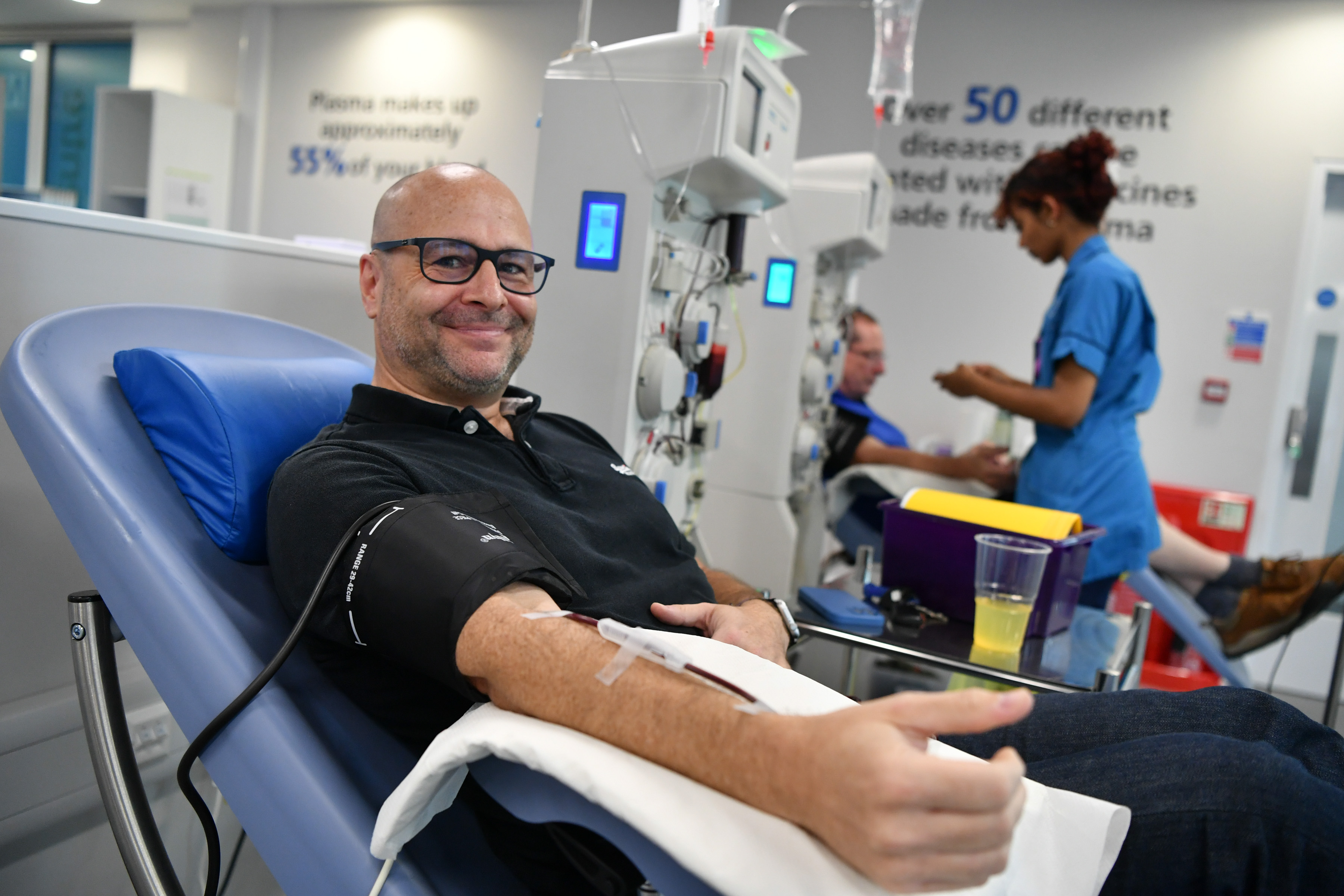
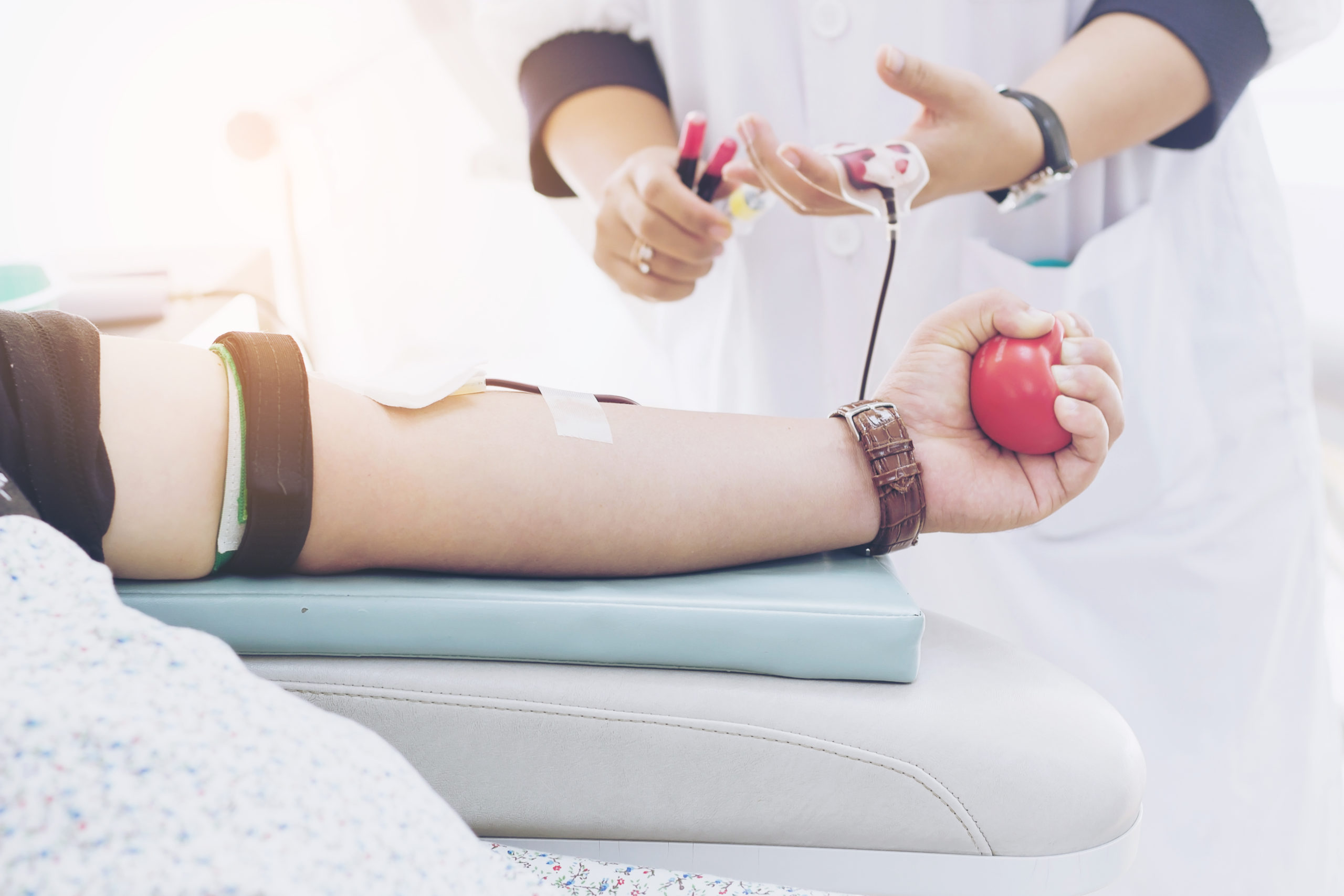
The actual donation uses a sterile needle to collect about a pint of whole blood in 8-10 minutes while you relax in a comfortable chair. Post-donation, enjoy refreshments for 15 minutes to recover, and avoid strenuous activity for the day[2]. Whole blood donors wait 56 days (8 weeks) before repeating[1][6].
Advanced options like platelet or plasma apheresis allow more frequent giving (every 28-112 days) for AB types or power reds, maximizing impact in high-demand periods like end-of-year emergencies[6].
Why Donate? Lifesaving Impacts
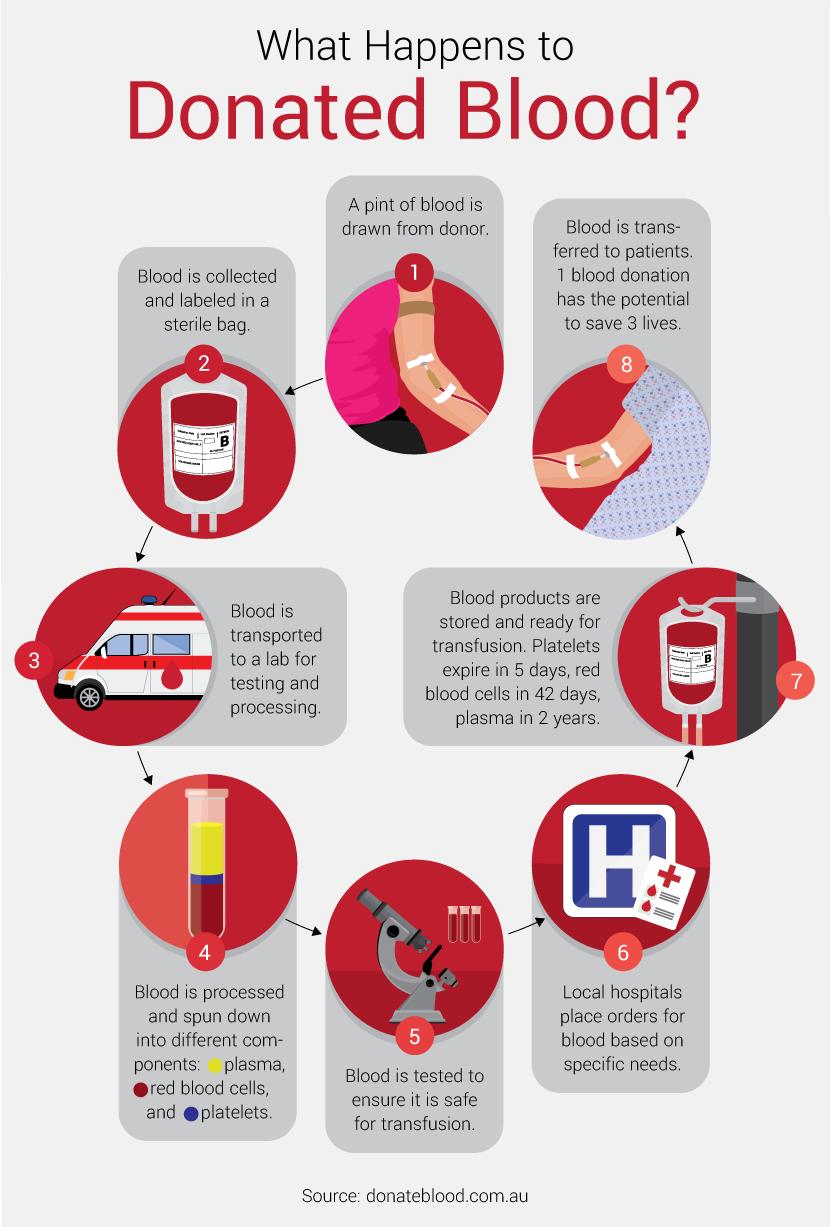
Every 2 seconds, someone in the US needs blood, with one donation potentially saving three lives through separated components[6]. In 2025, aging populations and trauma cases drive shortages, making donations crucial for surgeries, births, and cancer care.
Blood has a short shelf life—one pint lasts 42 days—so regular donors sustain supplies. Global efforts highlight US contributions via organizations like Red Cross, supporting international aid during disasters[5].
Donating boosts community health, offers free mini-health checks, and fulfills a profound sense of purpose. With eligibility tweaks for post-pandemic recovery, now is ideal to give—schedule via local drives today.