Nomination and Confirmation
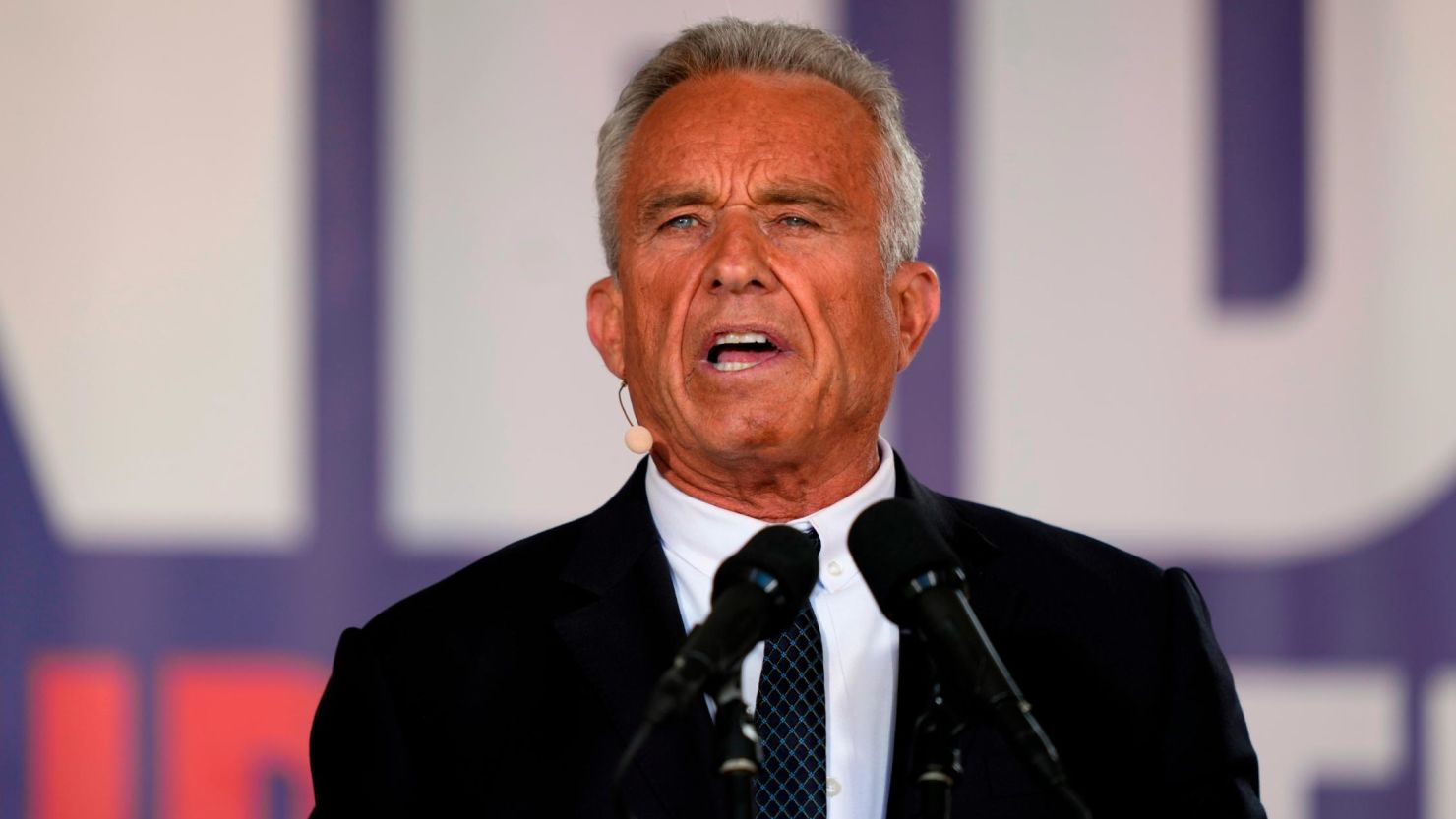
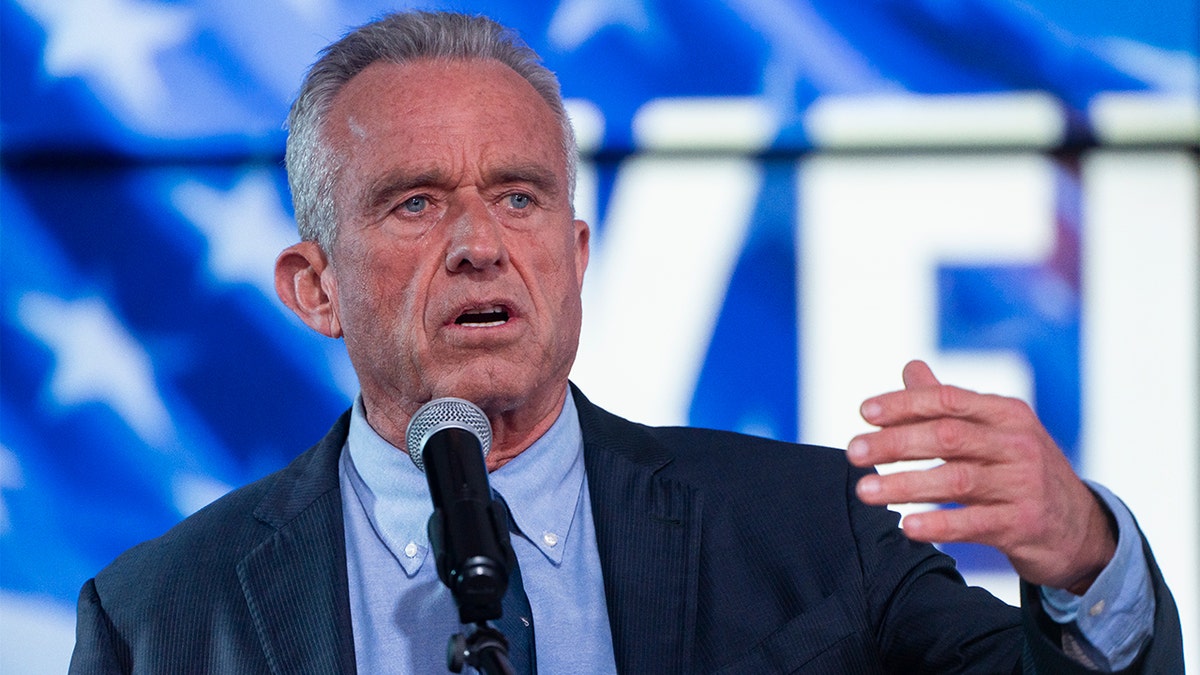
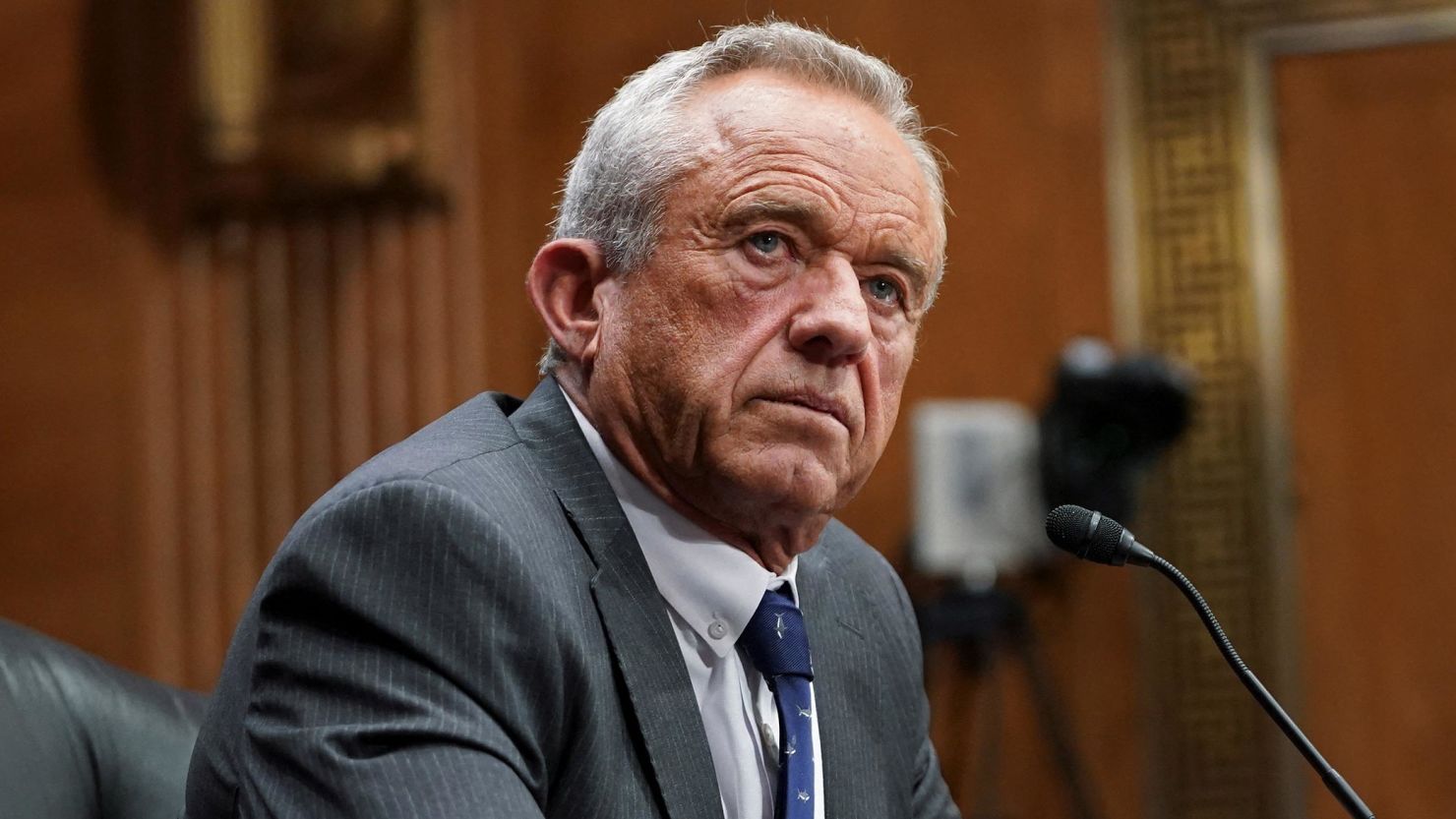
RFK Jr.'s path to HHS Secretary began with Trump's November 2024 announcement, formalized by a January 20, 2025, nomination. Senate hearings in late January and early February focused on his commitments to work within existing vaccine systems and maintain key committees like ACIP.
On February 13, 2025, the Senate confirmed him 52-48, with most Republicans in favor and all Democrats opposed. Mitch McConnell, a polio survivor, was the lone Republican 'no' vote, citing concerns over vaccine approval revocations. RFK Jr. was sworn in that day by Justice Neil Gorsuch in the Oval Office.
This made him the first independent presidential candidate to join a cabinet, signaling a new era in health leadership.
Key Reforms and MAHA Agenda
President Trump signed an executive order on RFK Jr.'s swearing-in day to launch MAHA, aiming to overhaul health policy. RFK Jr. has prioritized ending chronic disease epidemics through dietary changes, environmental protections, and scrutiny of pharmaceuticals.
By mid-2025, HHS under his direction canceled NIH studies on mRNA vaccines and vaccine hesitancy, while firing all 17 ACIP members. These steps aligned with promises of radical transparency but drew accusations of bypassing safety protocols.
Supporters view MAHA as a bold response to obesity and autoimmune diseases, with RFK Jr. leveraging his environmental advocacy background for food and toxin reforms.
Controversies and Public Health Impacts
Mass firings rocked HHS agencies: CDC Director Dr. Julie Monarez and others resigned, protesting 'weaponizing public health.' Nine former CDC leaders condemned the shakeup in a New York Times op-ed, linking it to a 2025 measles outbreak—the worst in decades.
Congressional Democrats, led by Senators Wyden and Sanders, sent multiple letters through August 2025 criticizing firings at ACF, HRSA, and ORR, plus lapses in LIHEAP funding and cybersecurity for rural hospitals. A Senate Finance Committee letter demanded accountability on vaccine stances amid rising cases.
By December 2025, RFK Jr.'s tenure fuels national debate: proponents hail chronic disease focus, while opponents warn of eroded trust and health risks from policy voids.