

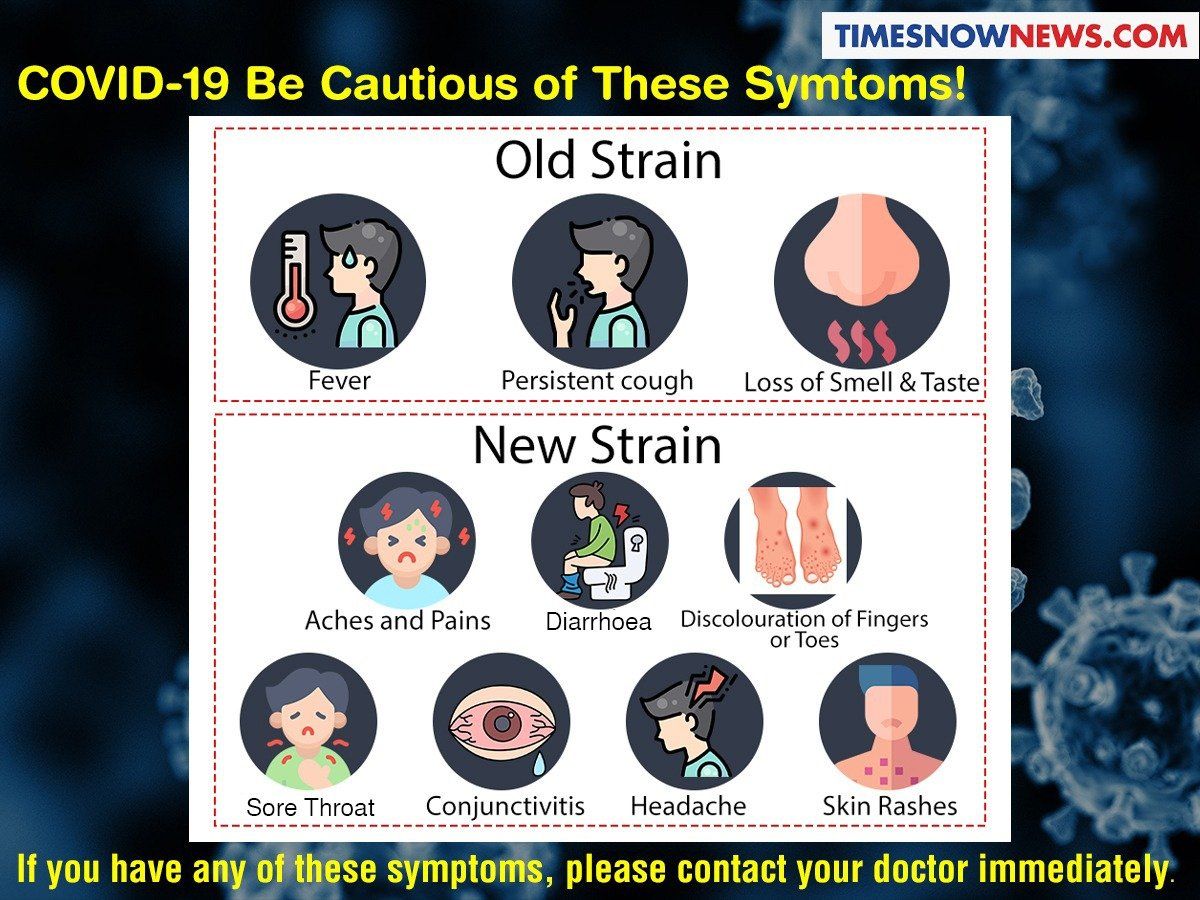
Common COVID Symptoms in 2025
The most frequent COVID symptoms 2025 include fever, cough, sore throat, fatigue, headache, muscle aches, and runny nose. These align closely with flu or cold symptoms, making differentiation challenging without testing[1][2][4].
Other possible signs are shortness of breath, nausea, vomiting, diarrhea, and less commonly, loss of taste or smell, which occurs infrequently in recent variants. Eye issues like redness or rashes may also appear[1][3].
For the Nimbus variant, a sharp, stabbing sore throat, especially when swallowing, stands out as a hallmark early symptom. Nasal congestion, sneezing, and mild cough often accompany it[4][7].
Nimbus (NB.1.8.1) Variant Highlights
The NB.1.8.1 variant, dubbed Nimbus, shows high transmissibility and rapid spread, particularly in the Western Pacific and other WHO regions. Symptoms range from mild to severe but are not generally worse than prior strains[2][4][6].
Reported frequencies of sore throat remain high at around 84%, similar to 2024, with average symptom counts steady at 7-8 per case. Severity matches influenza levels, per RIVM data[5].
Seek emergency care for danger signs like difficulty breathing, chest pain, confusion, or blue lips, as these indicate potential severe illness[4].
Long COVID and Prevention in 2025
Each infection carries a risk of long COVID, defined as symptoms lasting at least three months, including fatigue, brain fog, heart palpitations, and over 200 others. Repeated infections heighten this risk[1].
Staying vaccinated reduces severe outcomes, hospitalization, and long COVID. Test promptly if symptomatic, isolate, and consult healthcare for positive results[1][2][4].
Global surveillance by WHO and CDC tracks variants like LP.8.1 and NB.1.8.1, with rising activity in multiple regions signaling the need for updated boosters[6].