What Is Flood Restoration and Why It Matters
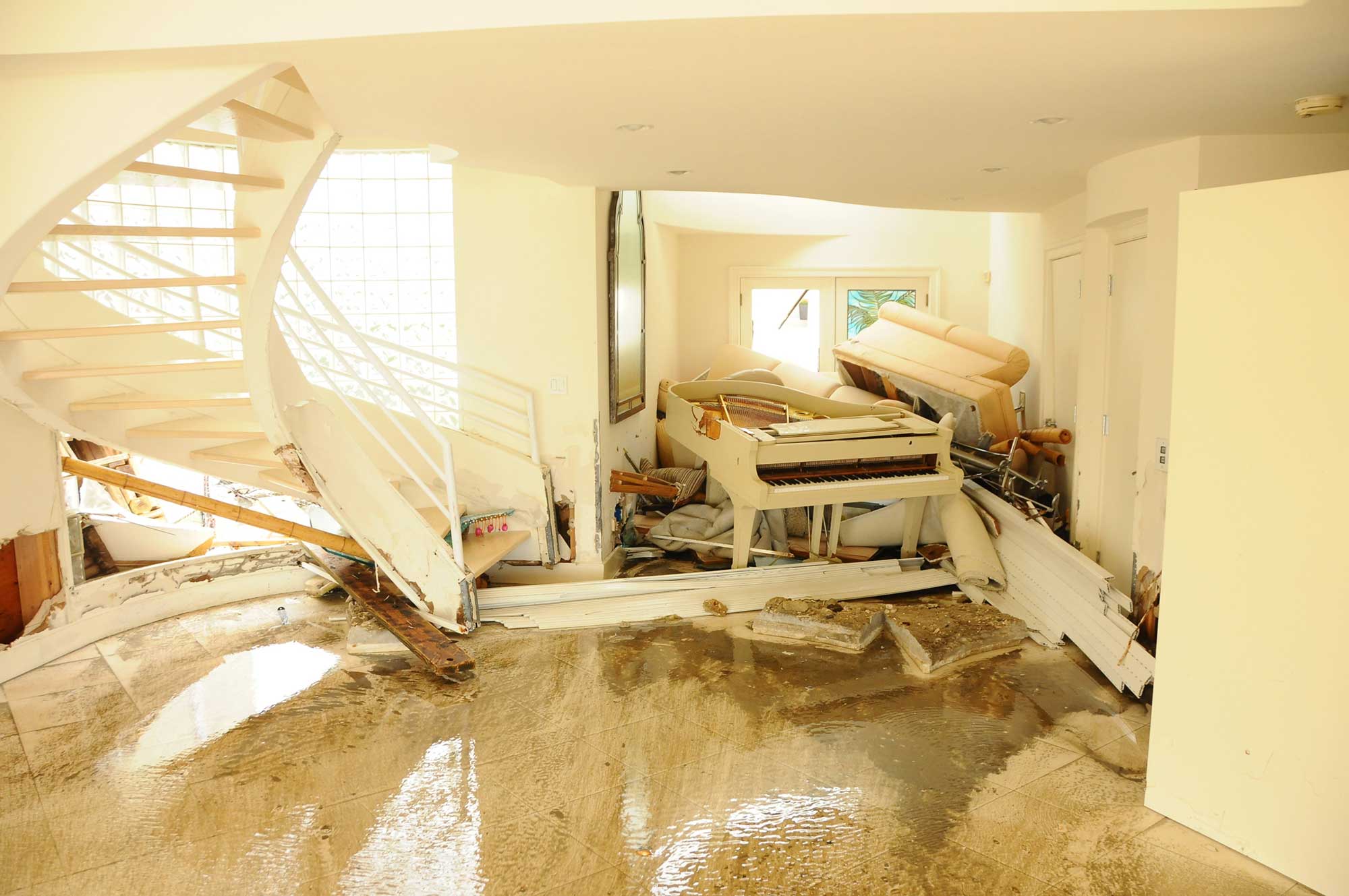
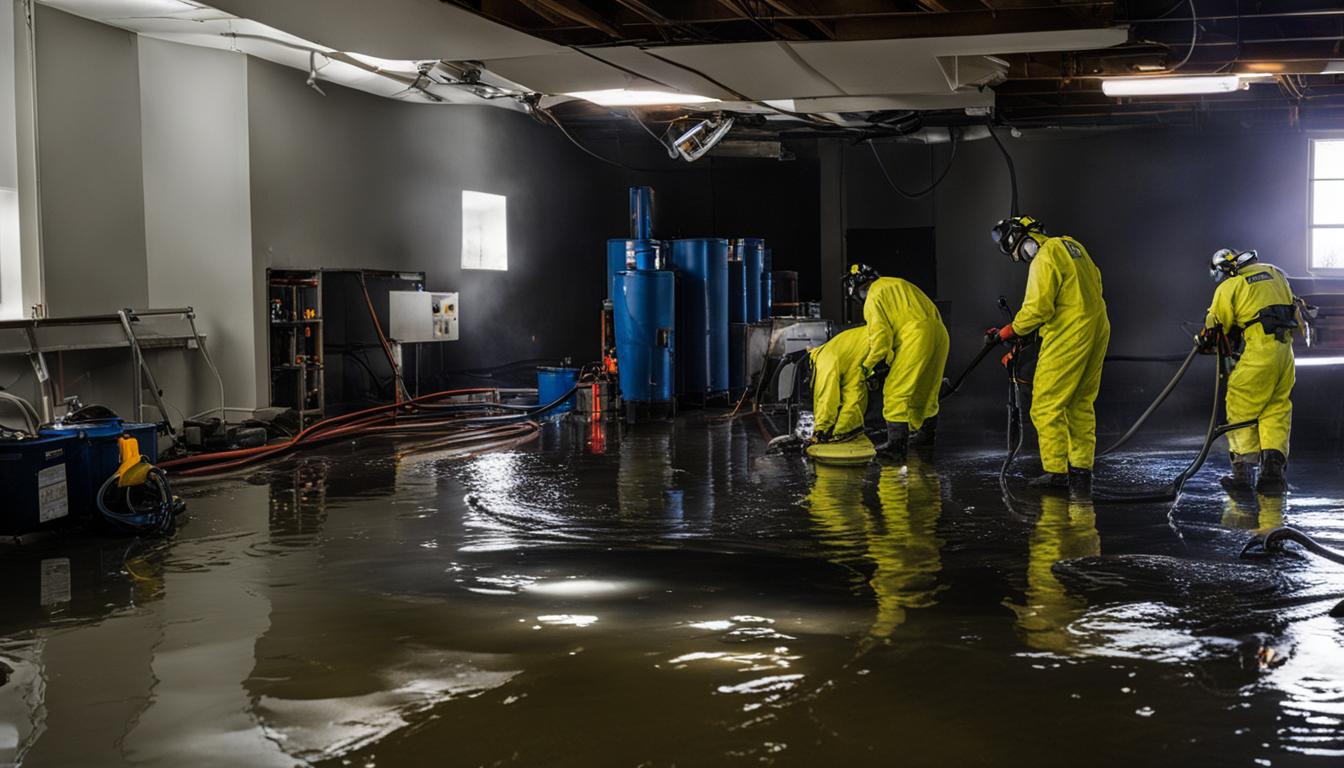
Flood restoration is the end-to-end process of returning a flood-damaged property to a dry, clean, and structurally sound condition after water has entered from storms, burst pipes, or overflowing rivers. Professional teams remove standing water with pumps and vacuums, then use air movers and dehumidifiers to dry floors, walls, and hidden cavities to safe moisture levels.[1][5][10]
The process goes beyond simple cleanup: technicians inspect the building, classify the water contamination, and remove materials that cannot be safely salvaged, such as saturated drywall, insulation, and certain floor coverings. This controlled demolition helps prevent mold growth and long-term structural problems while making it easier to rebuild correctly.[1][3]
Because floodwater often carries sewage, chemicals, and debris, modern restoration emphasizes health and safety. Crews wear protective gear, isolate affected zones, and apply EPA-registered disinfectants to surfaces to reduce bacteria, viruses, and odors before repairs begin.[1][5]
How the Modern Flood Restoration Process Works
Today’s flood restoration workflow typically begins with emergency response: ensuring safety by shutting off electricity and gas, stopping the water source if possible, and quickly extracting pooled water from floors, carpets, and basements.[3][7][10] Rapid removal is critical because every hour of standing water can increase structural damage and raise the risk of microbial growth.[3][5]
Once bulk water is removed, professionals deploy industrial air movers, dehumidifiers, and sometimes air scrubbers to dry building materials over several days.[1][4] Moisture meters and thermal imaging are used to detect dampness inside walls, under flooring, and in ceilings so that no hidden pockets of moisture remain, which could later feed mold or rot.[3][6]
After drying, teams assess what can be repaired versus what must be replaced, documenting damage for insurance claims and estimating costs.[4] Contaminated or unsalvageable materials are removed and disposed of, then the structure is cleaned, disinfected, and deodorized before repairs such as new drywall, flooring, cabinetry, and paint are completed.[1][3][4] Large losses may require weeks of reconstruction, permitting, and coordination with insurers and contractors.[2][4]
Flood Restoration, Costs, and Future Resilience
Flood restoration costs vary based on the size of the affected area, severity of damage, contamination level, and whether structural components like framing or foundations are impacted.[4][8] Current cost guides highlight that projects often include emergency extraction, multi-day drying and monitoring, damage assessment, mold remediation when needed, and structural repairs or reconstruction.[4][8]
In many regions, property owners work with insurance companies to offset restoration expenses, although standard homeowners policies may exclude flood damage unless separate flood coverage is in place.[4][8] Detailed documentation—photos, moisture readings, and itemized inventories—has become a standard part of restoration so that claims can be processed more smoothly and accurately.[3][4]
Government and safety agencies now encourage using restoration as a chance to make buildings more flood- and wind-resistant, such as elevating utilities, using water-resistant materials on lower levels, improving drainage, and strengthening connections between roofs, walls, and foundations.[3][8] These resilience upgrades can reduce future repair costs, improve safety in severe weather, and make properties more insurable in high-risk areas.[3]