What Is Flu (Influenza) and Why It Matters Now
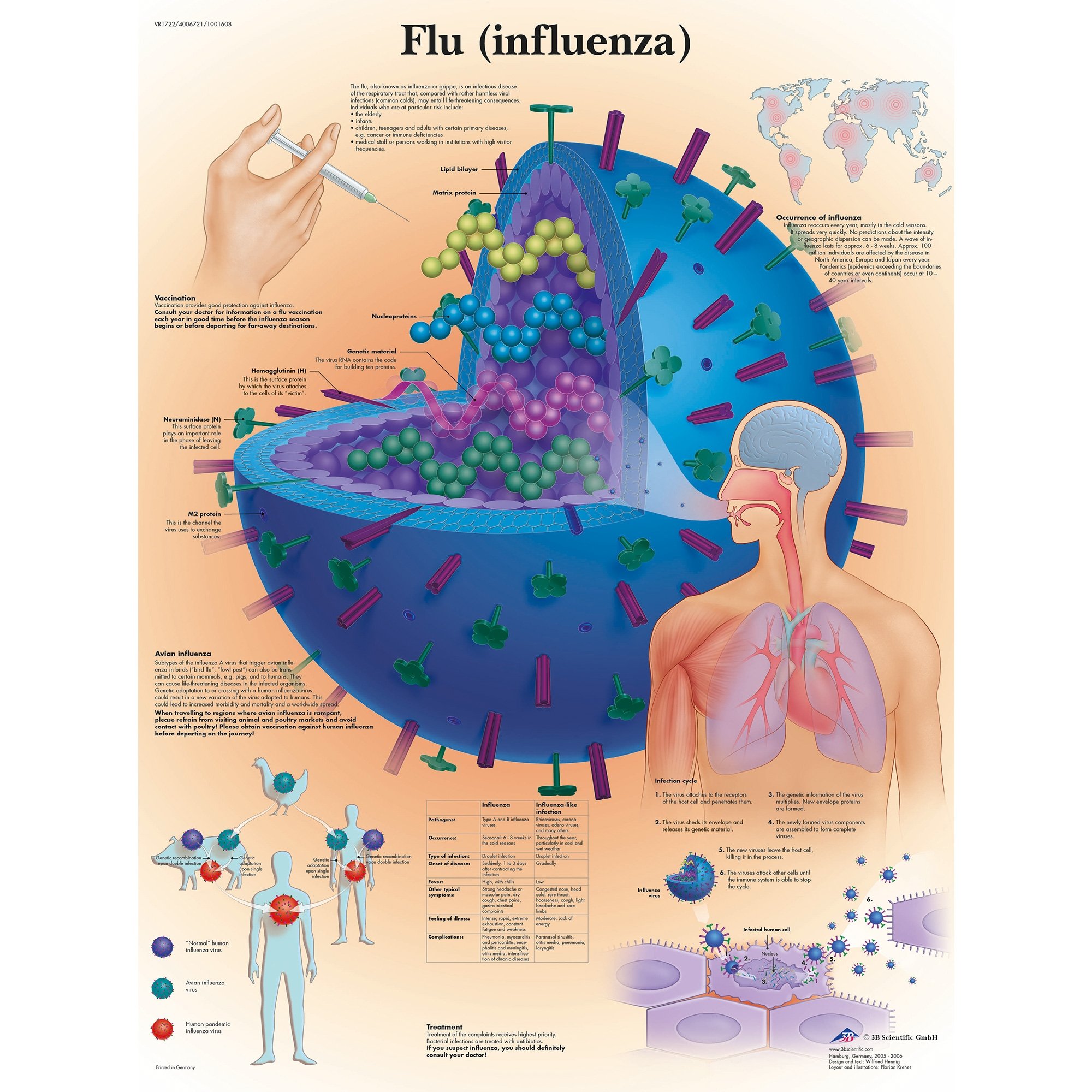
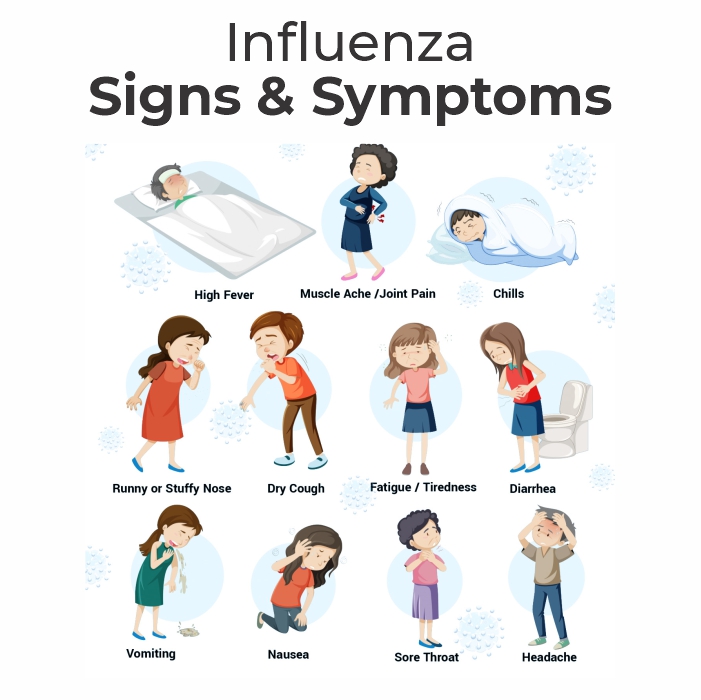
Influenza, commonly called the flu, is a highly contagious viral infection of the nose, throat and lungs that causes sudden fever, cough, body aches, headache, sore throat and fatigue.[8][9] While many infections are mild and self-limiting, flu can trigger pneumonia, respiratory failure and other serious complications, particularly in older adults, young children, pregnant people and those with chronic health conditions.[5][7]
In late 2025, surveillance systems show rising seasonal influenza activity worldwide, with influenza A viruses predominating among laboratory-confirmed cases.[7] This uptick is putting renewed focus on vaccination, rapid diagnosis and prompt treatment to prevent hospital overload and protect people at highest risk of severe disease.[5][7]
Current Flu Season Trends and Risks
The World Health Organization reports that since October 2025 global influenza activity has increased, dominated by influenza A strains, while most infections remain mild.[7] However, severe cases with respiratory distress, sepsis or multi-organ failure still occur and require rapid hospital-based supportive care, including oxygen therapy, hydration and respiratory support.[7]
Health systems in the U.S. are preparing for higher flu volumes by emphasizing up-to-date vaccination, early testing for people with high fever and body aches, and quick initiation of antiviral therapy for those at greater risk.[2][5] Emerging variant subclades of influenza A are under close monitoring, but current vaccines and approved antivirals are still expected to reduce the risk of severe outcomes, even if some infections occur in vaccinated individuals.[5][7]
Symptoms, Treatment and How to Protect Yourself
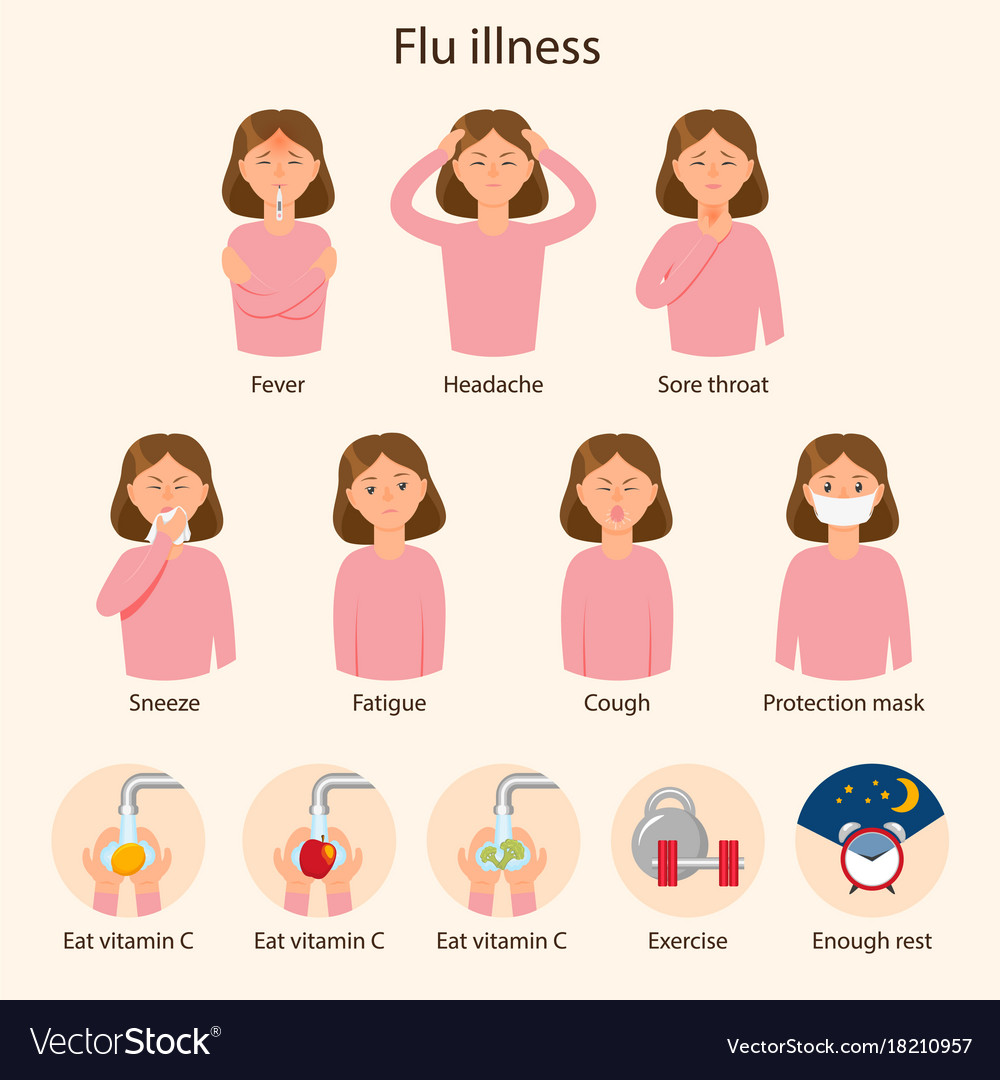
Common flu symptoms include fever, chills, muscle or body aches, headache, cough, sore throat, runny or stuffy nose and profound tiredness, often starting abruptly one to four days after exposure.[4][8][9] Most people improve within about a week, though fatigue and cough may last longer, and any sudden worsening—especially shortness of breath, chest pain or confusion—should prompt urgent medical evaluation.[1][6][7]
For otherwise healthy people, home care with rest, plenty of fluids and over-the-counter fever and pain medicines such as acetaminophen or ibuprofen is usually sufficient, while aspirin should be avoided in children and teens.[1][3][4] Doctors prescribe antiviral drugs like oseltamivir or baloxavir for patients who are very sick or at higher risk, ideally within the first 48 hours of symptoms, to shorten illness and reduce complications.[3][5][9]
Prevention strategies that matter right now include getting the seasonal flu vaccine, staying home when sick, covering coughs and sneezes, wearing a mask if you have respiratory symptoms, washing hands often and avoiding close contact with vulnerable individuals while you are contagious.[1][6][7] These steps, combined with rapid access to medical care for high-risk patients, are central to limiting the impact of flu and its emerging variants this season.[5][7]