

What Men’s Health Means Today
Men’s health is the overall physical, mental, and social well-being of men, including conditions that are more common, more severe, or uniquely expressed in men, such as heart disease, prostate and testicular cancers, substance use, and suicide.[6][4] It also spans male-specific issues like fertility, hormonal changes, sexual health, and the impact of gender norms on when and how men seek help.[2][3]
In 2025, data still show men dying younger than women and facing higher rates of many preventable diseases.[4][6] Mental health disorders affect around 1 in 8 men worldwide, and men are several times more likely to die by suicide than women, highlighting persistent gaps in diagnosis, treatment, and ongoing support.[3][4]
Technology, Prevention and the New Way Men Engage with Health
A major 2025 trend is the shift from reactive treatment to proactive, prevention-focused men’s health.[1][2] More men are booking early screenings for cardiovascular disease, hormonal issues, and cancers, recognising that problems caught in the early stages are easier to treat and less likely to cause disability or early death.[2][6]
Wearable health technology and AI-driven tools now allow men to track heart rate, sleep, activity levels, and stress in real time, with some systems flagging concerning patterns before symptoms are obvious.[1][2][7] Telehealth and virtual consultations reduce barriers like travel time, work conflicts, and discomfort with traditional clinical settings, especially for men in underserved or rural areas.[1][2]
Mental Health, Stigma and Social Connection
Mental health is increasingly recognised as a core pillar of men’s health, not an optional extra.[3][2] Depression, anxiety, substance use disorders, and PTSD are common among men, yet stigma and ideas about toughness or self-reliance still deter many from seeking help until crises emerge.[3][8] Suicide remains one of the leading causes of death among men and occurs at several times the rate seen in women.[3][4]
In 2025, public health campaigns and Men’s Health Month initiatives focus on reducing stigma, encouraging conversations, and promoting accessible pathways to care, including virtual therapy and mental wellness apps.[3][8][2] Evidence shows that men who engage with digital mental health tools are more likely to pursue in-person support when needed, while social connection—through friends, family, work, and community—is being promoted as a protective factor against isolation and psychological distress.[2][3][8]
Equity, Lifestyle Risks and the Future of Men’s Health
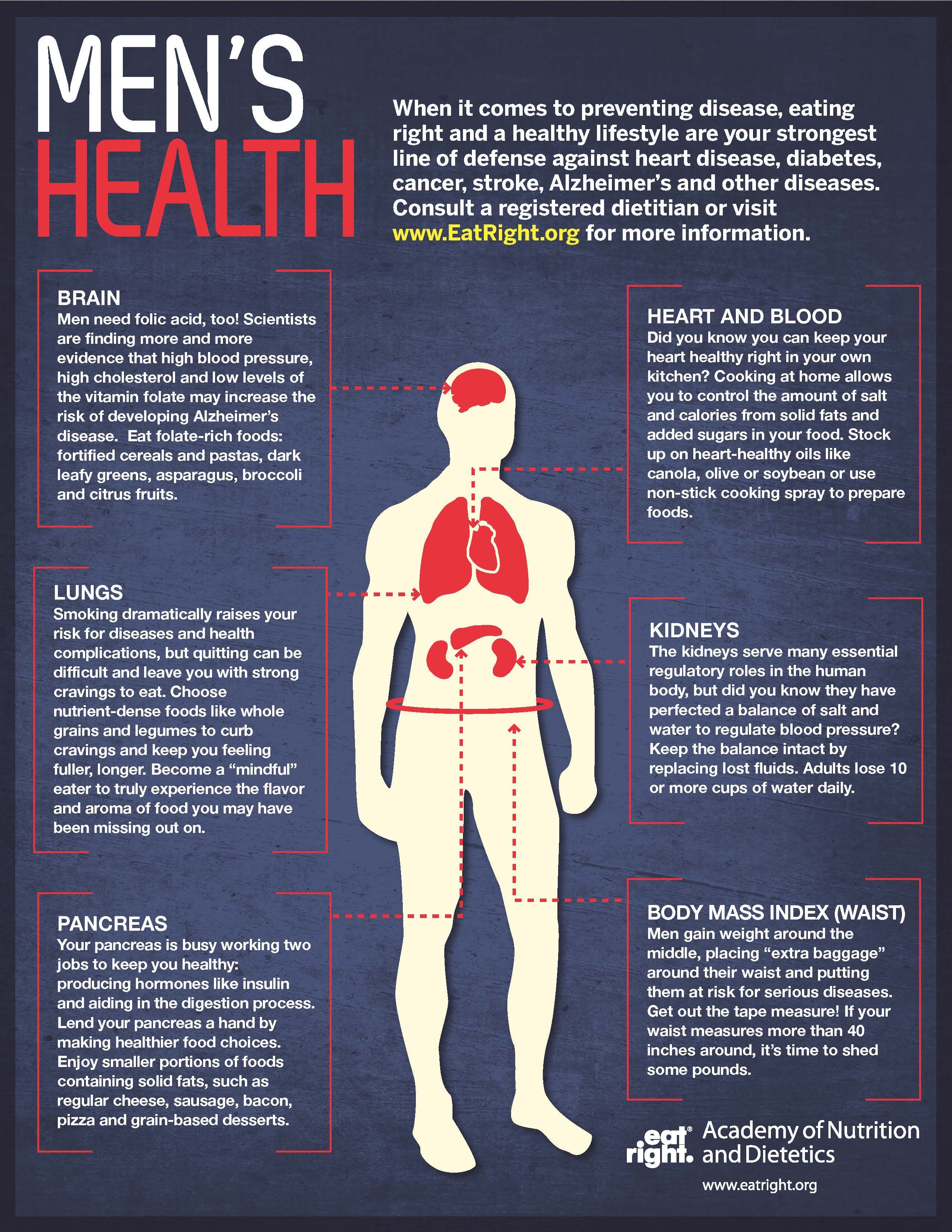
Socioeconomic inequality continues to shape men’s health outcomes, with men in deprived areas less likely to access preventive care and more likely to suffer avoidable illnesses.[2][4] High alcohol consumption, smoking, poor diet, and physical inactivity still account for a large proportion of male disease burden, even as more men adopt gym-based training, healthier eating, and structured wellness routines.[4][6][7]
Experts expect men’s health in the coming years to become more personalised and data-driven, merging genetic insights, advanced lab testing, digital monitoring, and coaching to manage risk across the lifespan.[1][2][7] If paired with efforts to improve access and reduce stigma, these innovations could significantly cut hospitalisations and early deaths among men while supporting better quality of life into older age.[2][4][7]