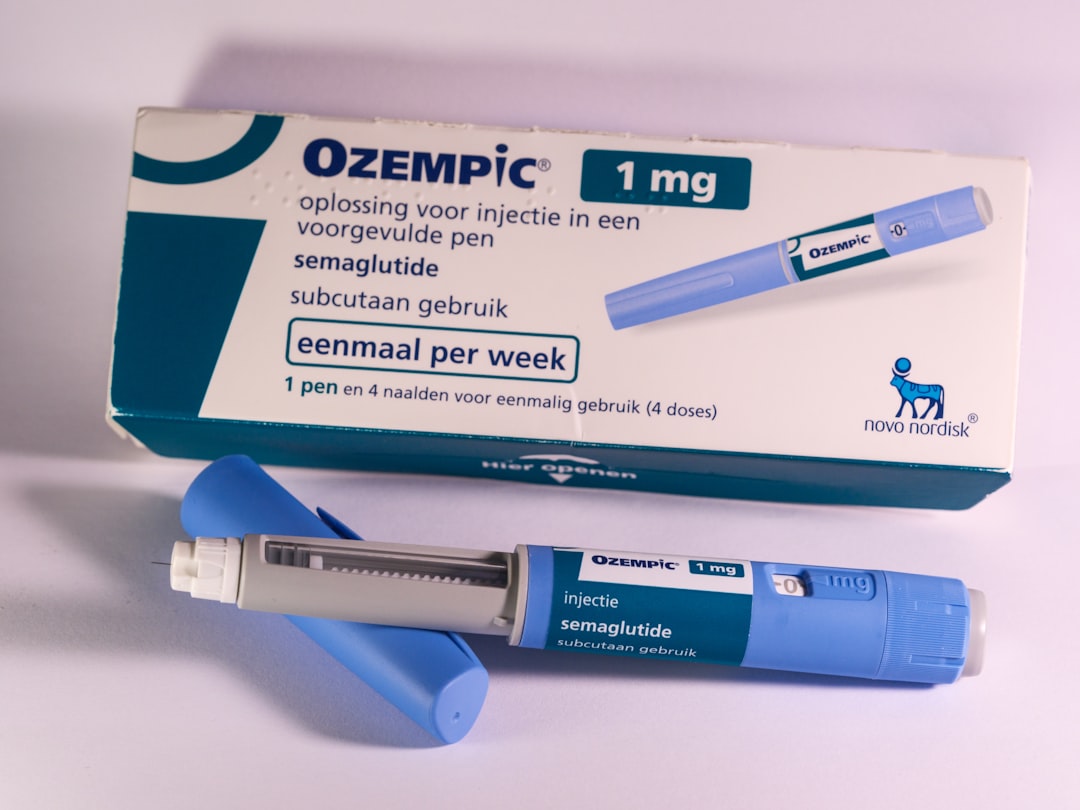
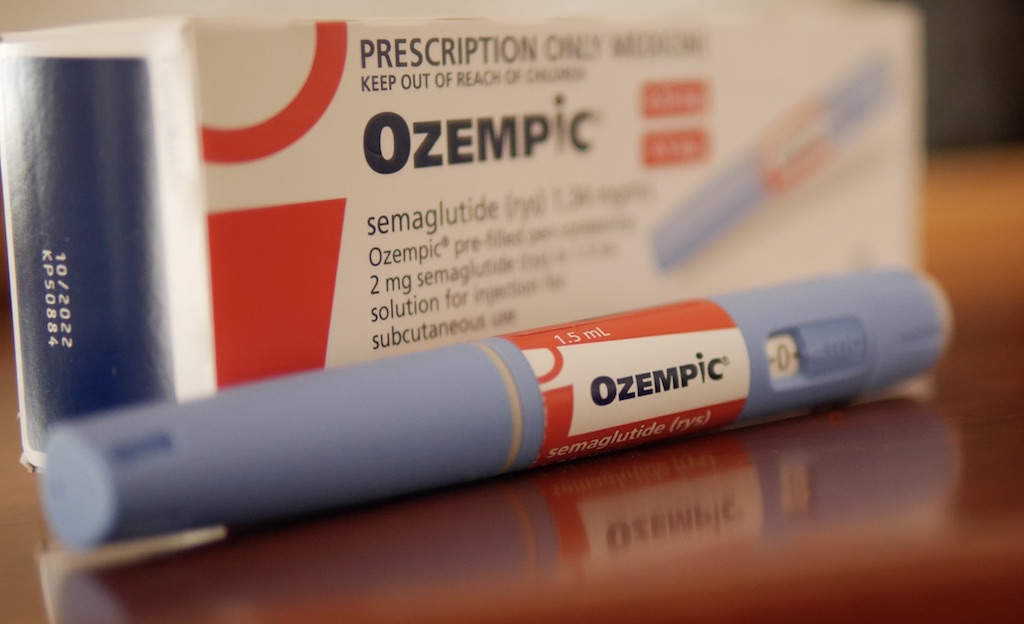
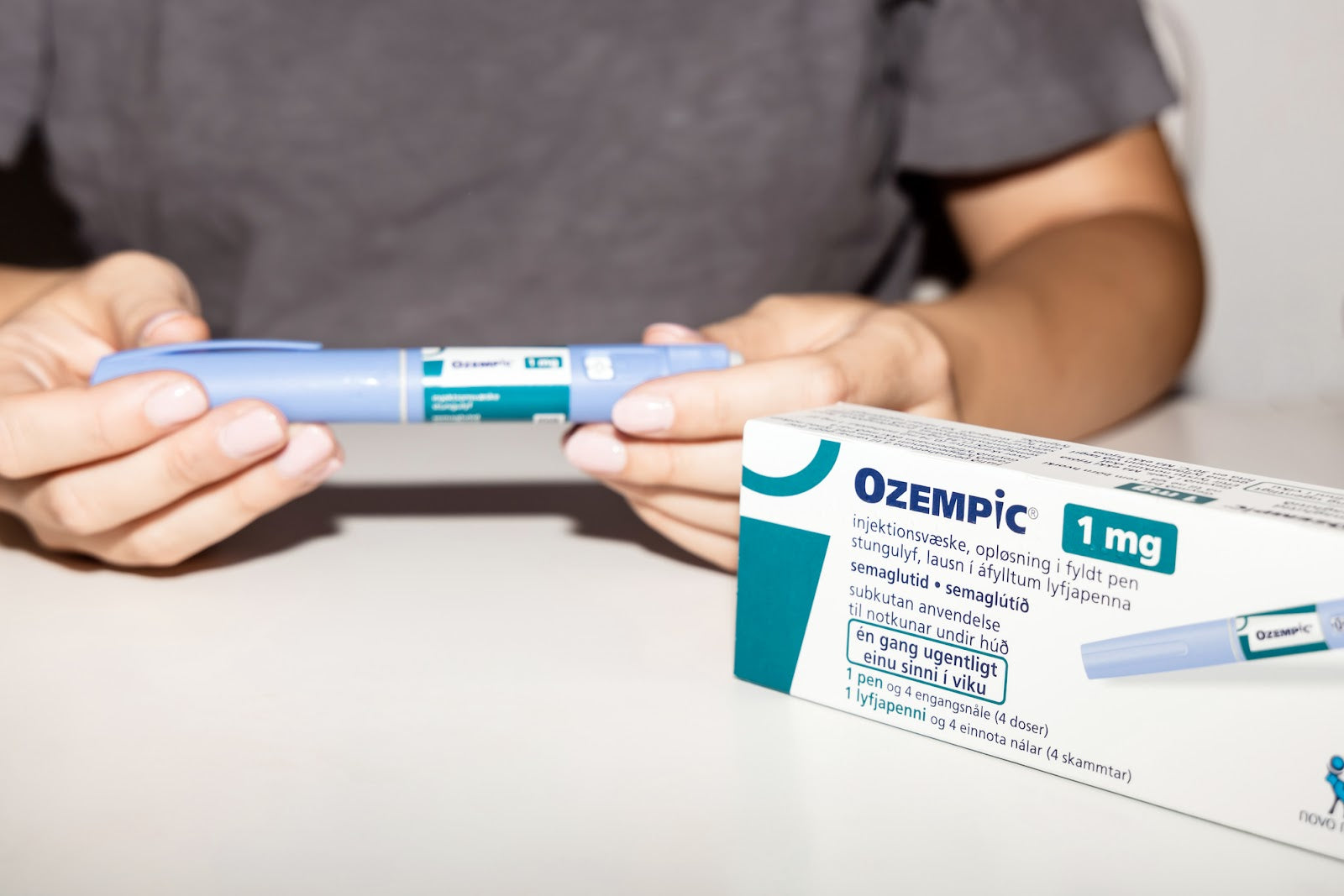
What Is Ozempic?
Ozempic is a prescription injection whose active ingredient, semaglutide, belongs to a class of drugs called GLP-1 receptor agonists and is approved to improve blood sugar control in adults with type 2 diabetes while also lowering cardiovascular risk in some high-risk patients.
By mimicking the hormone GLP-1, Ozempic helps the pancreas release insulin when blood sugar is high, reduces glucagon, and slows gastric emptying, which together improve glycemic control and contribute to modest weight loss in people with type 2 diabetes.
The medication is taken once weekly as a subcutaneous injection, with the dose gradually increased over several weeks to reach a maintenance level that balances effectiveness with tolerability.
Ozempic and the New Era of Weight Loss
Semaglutide has become one of the most closely watched drugs in obesity care because clinical trials show average body weight reductions around 15–20% when used alongside diet and exercise, performance that is substantially better than older appetite-suppressant medications.
Although Ozempic is formally approved for diabetes, semaglutide is approved for chronic weight management under the related brand Wegovy, and many clinicians prescribe Ozempic off-label for people with obesity or overweight, fueling broad public interest and high demand.
Recent research indicates that higher, triple-dose regimens of semaglutide can drive nearly 19% weight loss in adults without diabetes and around 13% in those with type 2 diabetes, with additional benefits such as smaller waistlines and improvements in blood pressure, glucose, and cholesterol, while remaining generally safe and well tolerated in trials.
Side Effects, Access, and What’s Next
The most common side effects of Ozempic and other semaglutide products are gastrointestinal, including nausea, vomiting, diarrhea, constipation, and abdominal pain, which are often managed by slow dose escalation but can still limit use for some patients.
Longer-term safety concerns include risks such as pancreatitis, gallbladder problems, and a boxed warning about thyroid C-cell tumors seen in rodent studies, so clinicians typically avoid semaglutide in people with a history of certain endocrine tumors and monitor high-risk patients closely.
Demand for Ozempic as a weight-loss aid has raised questions about drug shortages, affordability, and fair access for people with diabetes, but analysts expect that when semaglutide comes off patent and lower-cost versions enter the market, it could trigger a new wave of anti-obesity treatment use and expand access globally.