
What the term means
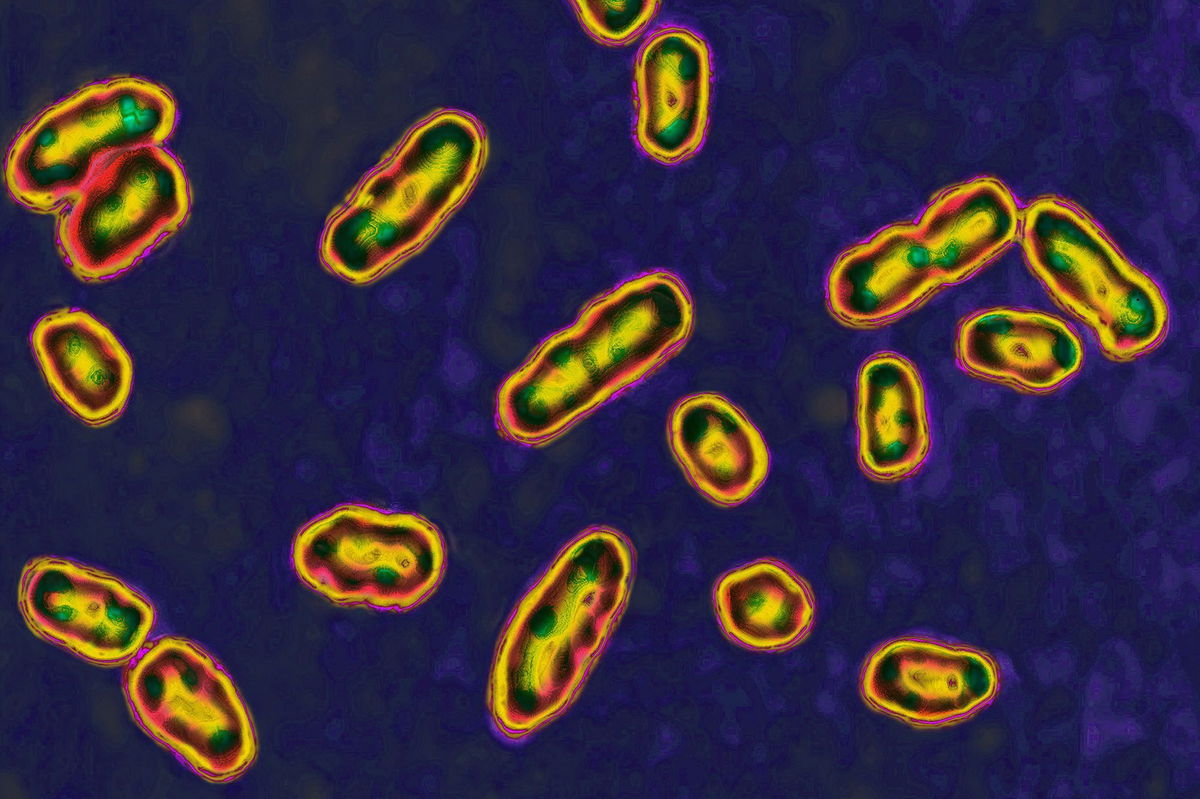
In current news and searches, “volcanic eruption Black Death” refers to the hypothesis that a mid-14th-century volcanic event set in motion the environmental and social stresses that enabled the Black Death to devastate Europe. Rather than replacing the role of the plague bacterium, the idea is that the eruption created the background conditions that allowed the disease to spread so widely and lethally.
This framing shifts attention from a single cause to a chain of connected events: volcanic gases altering the climate, climate shocks undermining harvests, food shortages disrupting economies, and those disruptions reshaping trade in ways that brought plague-infested rodents and fleas into new regions.
How a volcano shaped climate and famine
Evidence from tree rings shows several consecutive years of unusually cold, wet summers in the mid-1340s, which is highly atypical and fits what would be expected after a large sulfur-rich eruption that blocks sunlight. These conditions damaged crops across southern Europe, exacerbating the risk of famine and pushing already strained agrarian societies into crisis.
At the same time, layers in polar ice cores record a strong spike in sulfur deposition around 1345, consistent with aerosols from a major eruption reaching the poles and lingering in the atmosphere. Together with written accounts of gloomy skies, harvest failures and hunger, these physical and historical records support the idea that climate stress from volcanic activity was the first “domino” in the chain that led to the Black Death.
Trade networks and the arrival of plague
As repeated harvest failures hit regions such as Spain, France and Italy, rulers and merchants turned more heavily to imported grain from areas around the eastern Mediterranean and Black Sea. Those grain flows likely traveled with rats and fleas carrying the plague bacterium, turning lifelines of food into inadvertent conduits of infection.
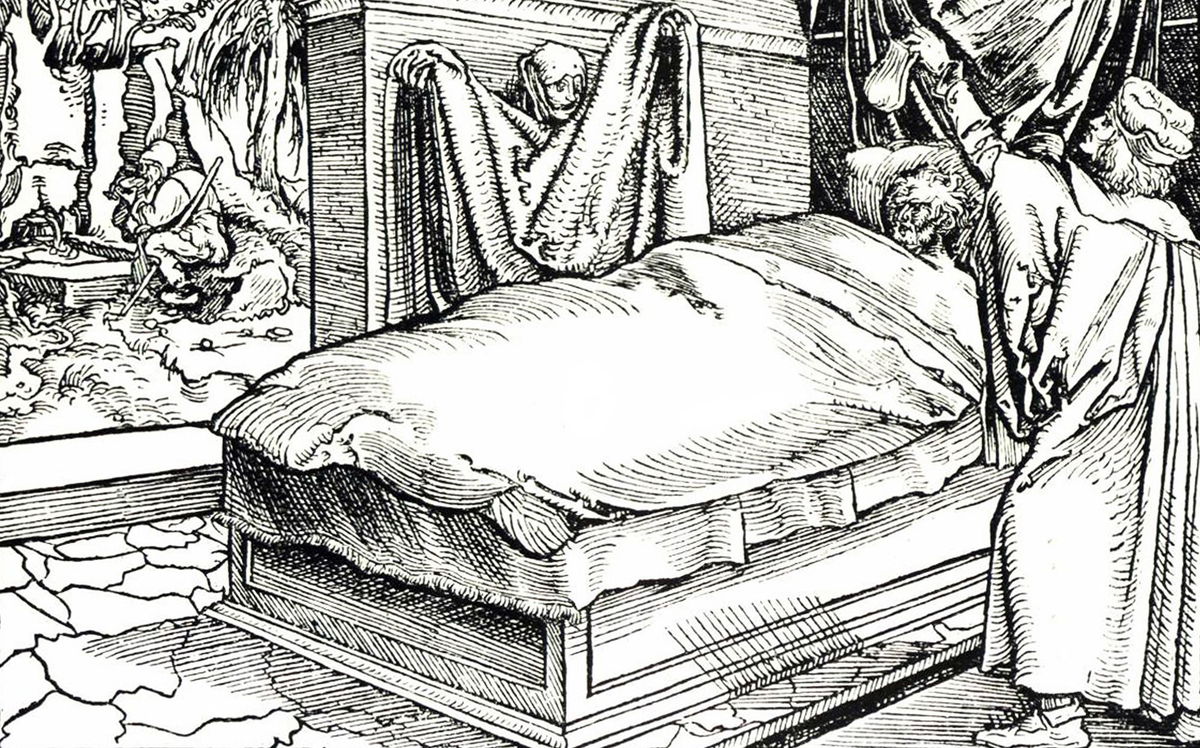
Once plague reached Mediterranean ports, it spread quickly along commercial routes, river systems and overland roads into inland towns and cities, where malnutrition and crowding heightened mortality. The volcanic eruption, in this view, did not act alone but amplified existing vulnerabilities in food supply, trade and public health, offering a historical warning about how modern climate shocks can interact with globalized systems to magnify disease threats.